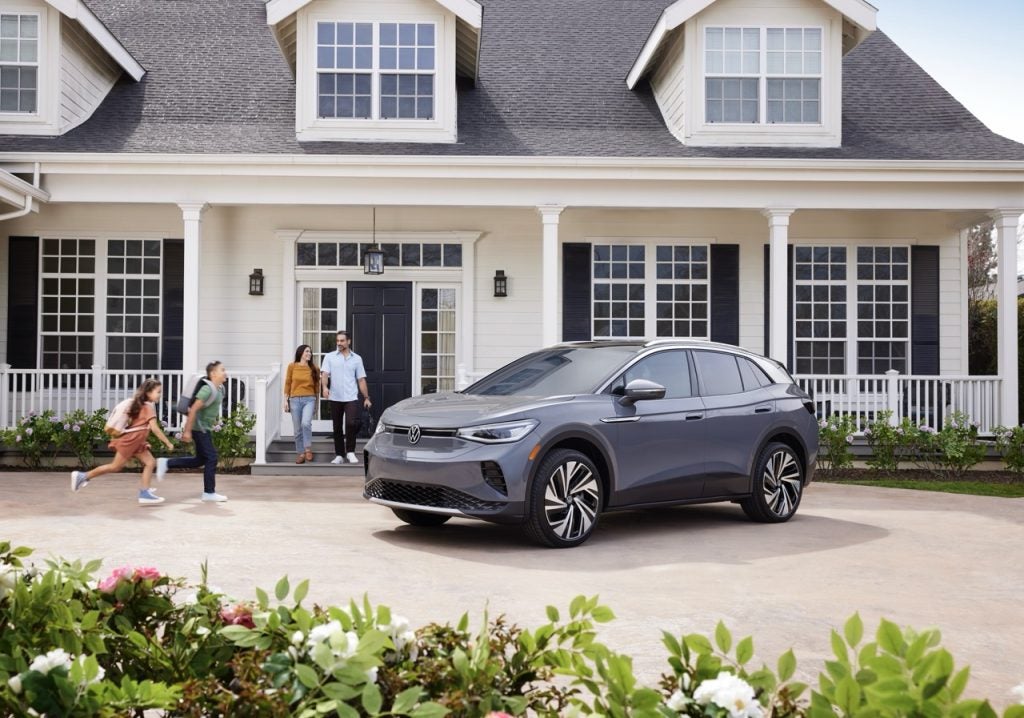
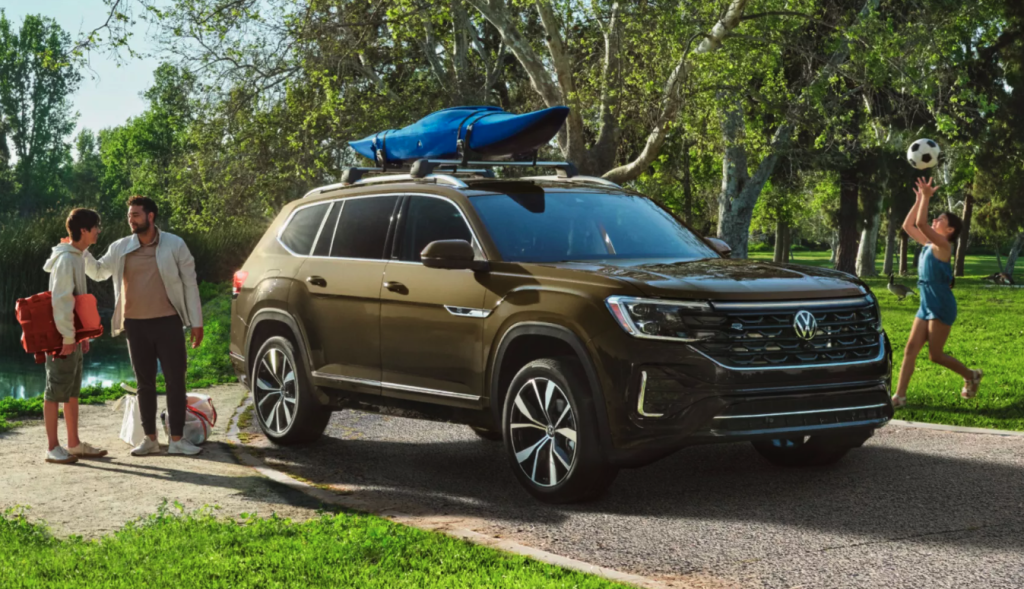
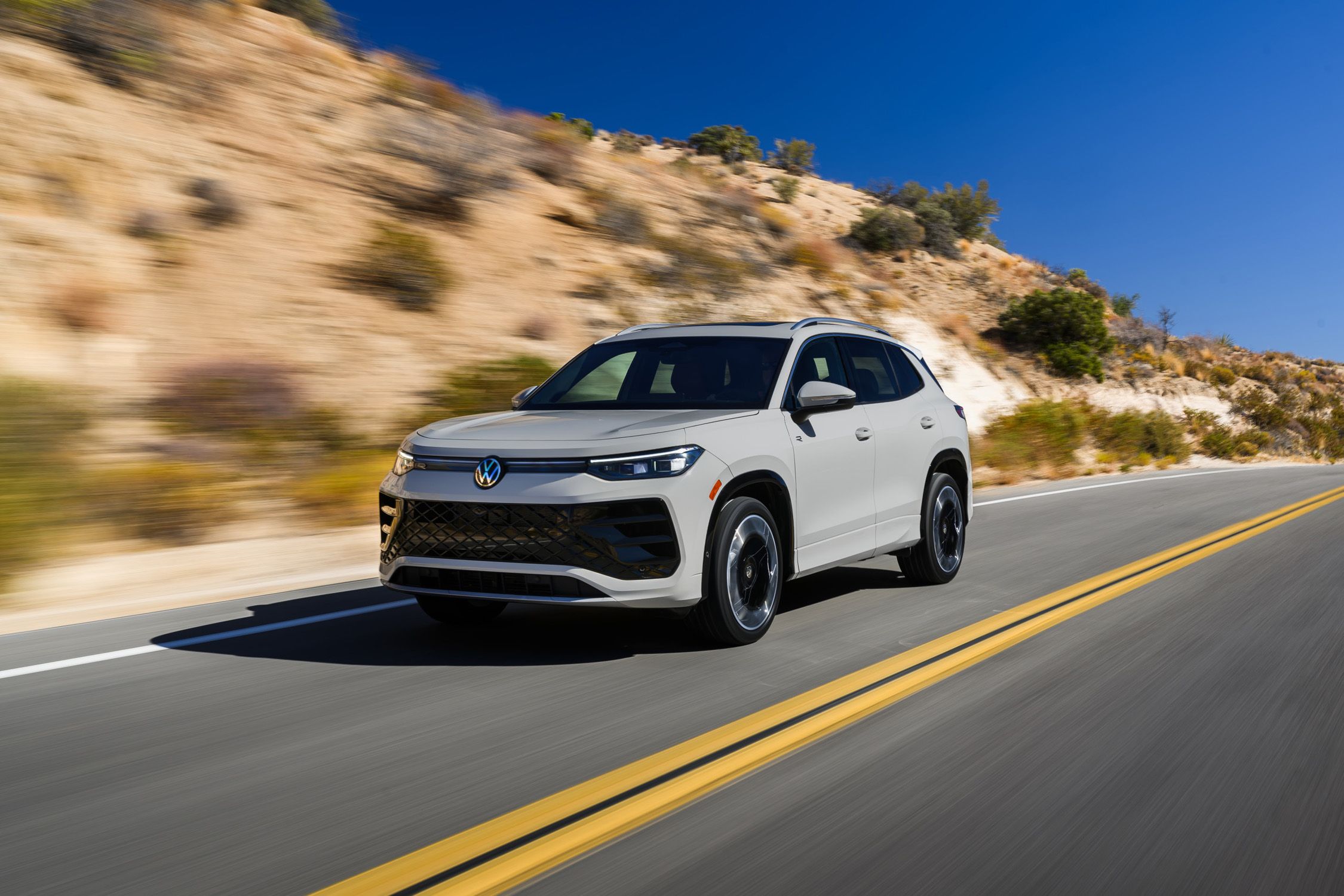
The Financial Benefits of Leasing a Volkswagen: Lower Payments and Warranty Perks Choosing a Volkswagen SUV to lease starts with a different question than simply asking which SUV is largest or has the most features. A lease covers a defined period and a contracted mileage allowance, so the more useful question is how much passenger room, cargo flexibility, drivetrain capability, and vehicle size you expect to use during that period. The Volkswagen Taos, Tiguan, and Atlas serve three different SUV needs. The Taos is the smallest five-seat choice, the Tiguan adds more two-row cargo capacity and available performance, and the Atlas moves into a three-row layout with substantially greater maximum cargo space. For a lease shopper, the right choice is the SUV that provides enough capability for the next lease cycle without paying for size or capacity that will rarely be used. That distinction matters for drivers around Daphne and Mobile. A commuter who normally carries one or two passengers may have very different needs from a household that regularly fills a second row, and both may need far less vehicle than a family that depends on a third row. This guide focuses specifically on choosing among the Volkswagen Taos, Tiguan, and Atlas for a lease. It does not assume that the largest SUV is automatically better or that leasing is automatically less expensive than financing. The actual lease payment, mileage allowance, incentives, fees, and terms depend on the vehicle, program, contract, and customer eligibility at the time of the transaction. What Is a Lease Mileage Allowance? A lease mileage allowance is the amount of driving permitted under the lease agreement before additional mileage charges may apply when the vehicle is returned. Volkswagen Financial Services advises customers to review the mileage stated in their individual lease agreement because the allowed mileage and applicable excess-mileage terms are contract-specific. Why Lease a Volkswagen SUV? Leasing can fit drivers who prefer a defined vehicle cycle and expect their annual mileage to remain compatible with the lease agreement. Instead of purchasing the vehicle for indefinite ownership, the customer uses it for the agreed term and then follows the applicable lease-end process. That structure makes vehicle selection especially important. If you lease an SUV that is larger than your routine requires, you may spend the entire lease term carrying size and capability you rarely use. If you choose too little vehicle, passenger or cargo needs can become frustrating long before the lease reaches maturity. Access to Current Technology and Features A lease can also appeal to shoppers who prefer changing vehicles periodically rather than keeping one for many years. Taos, Tiguan, and Atlas can offer Volkswagen technologies such as Digital Cockpit features, connected services, IQ.DRIVE driver-assistance technology, and available 4MOTION all-wheel drive, although exact equipment varies by model year and trim. Driver-assistance systems should be compared by exact configuration. IQ.DRIVE features assist the driver but do not make a Volkswagen autonomous, and they remain subject to system limitations and driver responsibility. Ownership Timeline, Mileage, and Lifestyle Before deciding among these SUVs, estimate how your driving will look over the entire lease period. Include your normal commute, school or family transportation, errands, weekend travel, and longer trips rather than basing the estimate on one typical week. A regular Daphne-to-Mobile commute, for example, can contribute a significant portion of annual mileage before weekend driving is added. Instead of assuming a standard allowance will fit, calculate your actual route and expected driving days, then compare that estimate with current Volkswagen Financial Services lease terms. For more detail on this part of the decision, see our Volkswagen lease mileage guide. Leasing a Volkswagen Taos Compact SUV Taos The Taos is the smallest of these three Volkswagen SUVs. Volkswagen's current U.S. Taos information lists five-passenger seating, a 174-horsepower turbocharged engine, available 4MOTION all-wheel drive, and up to 65.9 cubic feet of cargo capacity with the rear seats folded. Two-Row SUV Tiguan The current Tiguan provides five-passenger seating and up to 69.8 cubic feet of cargo space with the rear seats folded. Available 4MOTION gives shoppers an AWD option, while the current SEL R-Line Turbo adds a higher-output 268-horsepower configuration. Three-Row SUV Atlas The Atlas changes the decision more substantially by adding a third row and up to 96.6 cubic feet of cargo capacity with the rear seats folded. Its current turbocharged engine produces 269 horsepower and 273 lb-ft of torque, with up to 5,000 pounds of towing capacity when properly equipped. Compact Size, Commuting, and Everyday Flexibility The Taos deserves consideration when five seats are enough and you want SUV cargo access without moving into a larger footprint. That can be useful for commuting, parking, daily errands, and households that regularly carry passengers but do not need a third row. Choosing the Taos does not have to mean treating it as a compromise. If its passenger room and cargo capacity cover the way you expect to use the SUV throughout the lease, moving up simply because another model is larger may add capacity without adding much practical value. Volkswagen's national model-year transition is worth noting here. At the time of publication, Volkswagen's current U.S. Taos page has moved to the 2027 model, while Volkswagen of Daphne inventory may still include 2026 Taos vehicles. Always compare the specifications and lease program for the exact model year and VIN you are considering. Leasing a Volkswagen Tiguan Passenger Flexibility, Cargo Room, and Family Use The Tiguan sits between the Taos and Atlas in this decision. It remains a two-row, five-passenger SUV, but Volkswagen lists 33.8 cubic feet of cargo capacity behind its rear seats and 69.8 cubic feet with them folded on the current 2026 model. That makes the Tiguan worth evaluating when a Taos is close to meeting your needs but you expect to use the rear seats frequently, carry bulkier items, or simply want additional two-row flexibility without leasing a three-row SUV. The current Tiguan also gives shoppers a broader performance spread. Core versions use Volkswagen's turbocharged powertrain, while the 2026 SEL R-Line Turbo is rated at 268 horsepower and 258 lb-ft of torque with standard 4MOTION. More horsepower is not automatically a reason to choose that configuration. For a lease shopper focused mainly on commuting and cargo flexibility, trim equipment, drivetrain, mileage terms, and the actual lease program may matter more than peak output. Leasing a Volkswagen Atlas When a Third Row Changes the Decision Atlas is not simply a larger Tiguan. Its three-row layout changes the type of household it can support. If your normal routine includes additional children, relatives, friends, teammates, or other passengers who regularly require more than two seating rows, Atlas provides functionality the Taos and Tiguan cannot duplicate. Volkswagen also lists up to 96.6 cubic feet of cargo space with the rear seats folded on the current 2026 Atlas. Atlas may also matter when towing is part of the requirement. Volkswagen lists up to 5,000 pounds of towing capacity for the current Atlas when properly equipped. Towing limits depend on configuration, equipment, trailer setup, load, and other operating conditions, so always confirm the requirements for the exact vehicle before towing. If the third row would remain folded almost all the time and your cargo needs fit comfortably within a smaller SUV, however, the added size may not provide meaningful value during the lease. That is why Atlas should be selected because its extra capability solves an actual need, not simply because it sits above Tiguan in the lineup. Taos vs Tiguan vs Atlas for a Volkswagen Lease Decision Factor Volkswagen Taos Volkswagen Tiguan Volkswagen Atlas Layout Two rows Two rows Three rows Passenger Focus Five-seat compact SUV Five-seat SUV with more two-row flexibility Households that need a third row Maximum Published Cargo 65.9 cu. ft. 69.8 cu. ft. 96.6 cu. ft. 4MOTION AWD Available Available; standard on current SEL R-Line Turbo Available Main Sizing Question Are five seats and compact-SUV cargo enough? Do you need more two-row space without a third row? Will you actually use three-row passenger capacity? Lease Planning Question Does the smaller SUV cover your needs for the full term? Is the extra two-row flexibility useful often enough? Do passenger, cargo, or towing needs justify the larger vehicle? Current official Volkswagen specifications shown here refer to the current U.S. model pages available at publication. Volkswagen currently lists the 2027 Taos, 2026 Tiguan, and 2026 Atlas. Always verify the exact model year, trim, drivetrain, and lease program for the vehicle you are considering. The biggest functional jump in this Volkswagen SUV comparison occurs between the Tiguan and Atlas, not between Taos and Tiguan. Volkswagen lists 65.9 cubic feet of maximum cargo capacity for the current Taos and 69.8 cubic feet for the current Tiguan, while the Atlas increases maximum cargo capacity to 96.6 cubic feet and adds a third seating row. That makes the Atlas decision primarily about needing a different passenger-and-cargo layout rather than simply moving one size higher. Vehicle Size and Passenger Capacity Start by counting how many seats are used regularly rather than how many people might ride in the SUV once or twice a year. If five seats cover nearly every week of the lease, Taos and Tiguan keep the decision within the two-row category. If a third row will regularly solve carpools, extended-family travel, or larger household needs, the Atlas becomes fundamentally different from the other two. Daily Commuting and Regional Travel Commuting can favor a smaller SUV simply because passenger capacity is not the only consideration. Parking, maneuverability, fuel use, annual mileage, and how much cargo you carry during a normal workweek all matter. Longer Gulf Coast trips can shift the calculation. Four or five people plus luggage may make cargo space more important than it appears during a normal commute. Frequent travel can also increase annual mileage considerably, which means the lease allowance deserves as much attention as the model itself. Choosing an SUV Based on Your Lease Priorities Instead of trying to identify a universal "best Volkswagen SUV to lease," rank the factors that will remain important during the entire lease term. Passenger count: How many people ride with you during a normal week? Cargo with seats in use: Do you need cargo room while the rear seats remain occupied? Annual mileage: Does your commute and regional travel fit the mileage structure being offered? AWD preference: Do you specifically want a 4MOTION configuration? Parking and maneuverability: Does a larger vehicle create an unnecessary tradeoff in your daily routine? Third-row use: Will you actually use the Atlas's additional seating layout often enough to justify moving up? Lease term and program: What mileage, payment, fees, and obligations apply to the exact offer you are reviewing? How Mileage Changes the SUV Lease Decision Mileage is one of the areas where leasing changes the model-selection conversation. A vehicle can fit your passenger needs perfectly and still be a poor lease match if your expected driving does not align with the contract. Volkswagen Financial Services states that most standard leases are calculated around a specified mileage allowance and that a higher mileage limit may be negotiated in some cases. If the contracted mileage is exceeded and the vehicle is returned, additional charges may apply according to the agreement. That means a regular Eastern Shore commuter should calculate likely mileage before choosing both the SUV and the lease structure. Start with your normal round-trip commute and number of commuting days, then add recurring errands, school transportation, trips to Mobile, and longer regional travel. Do not assume every Volkswagen lease uses the same mileage allowance or excess-mileage rate. Review the current Volkswagen Financial Services program and the actual lease agreement for the specific vehicle. The contract controls the mileage and financial obligations that apply to your lease. Do You Actually Need to Move Up to the Next Volkswagen SUV? Taos to Tiguan Moving from Taos to Tiguan is primarily a two-row space decision. Both are designed around five-passenger use, and their maximum published cargo figures are relatively close compared with the much larger jump to Atlas. Tiguan becomes more compelling when the additional passenger and cargo flexibility, available configuration, or performance choices matter in your daily use. If the Taos already covers your routine comfortably, there is no automatic leasing advantage to moving up. Tiguan to Atlas Moving from Tiguan to Atlas is easier to justify when you have a real third-row requirement. The Atlas also provides a substantial increase in maximum cargo capacity and greater towing capability, but those strengths only matter when you use them. A five-passenger household that rarely transports additional people may find Tiguan provides all the space needed. A household that regularly exceeds two rows has a clearer functional reason to evaluate Atlas. Leasing the largest SUV available is not automatically the most useful choice. A lease covers a defined term and mileage structure, so the better sizing decision is to choose enough passenger, cargo, drivetrain, and towing capability for how you expect to use the vehicle during that period. A third row creates clear value when it is used regularly, but it provides less practical benefit to a commuter or five-passenger household that rarely needs it. Taos, Tiguan, or Atlas for Different Driving Needs If Compact Size Is the Priority Start with the Taos. Check whether its five seats and cargo capacity cover your normal passenger and luggage needs before moving to a larger model. If You Need More Two-Row Flexibility Compare the Tiguan. It gives you additional cargo capacity and a broader range of current performance configurations without moving into a three-row SUV. If a Third Row Is Part of Normal Life Put the Atlas on the comparison list. Its seating layout and much larger maximum cargo capacity address a different household need than the Taos or Tiguan. If you want to compare the Volkswagen SUV lineup without the leasing-specific factors, our Volkswagen SUV buying guide takes a broader look at passenger space, cargo needs, daily driving, and regional travel. Compare Volkswagen SUV Lease Options in Daphne Compare the Taos, Tiguan, and Atlas based on the space and mileage you actually expect to use, then review the current lease terms for the exact vehicle and configuration you are considering. View Current Volkswagen Inventory Review Finance and Lease Options Key Takeaways The Taos, Tiguan, and Atlas solve different SUV needs, so choosing a lease should start with passenger count, cargo requirements, and expected mileage rather than simply choosing the largest model. Volkswagen currently lists 65.9 cubic feet of maximum cargo space for the Taos, 69.8 cubic feet for the Tiguan, and 96.6 cubic feet for the Atlas. The biggest functional step occurs when moving to the Atlas because it adds a third seating row and substantially more maximum cargo capacity. Drivers considering a lease should estimate their full annual mileage, including commuting, errands, and regional travel, before agreeing to a mileage allowance. 4MOTION is available across these SUV lines in certain configurations, but AWD should be chosen because it matches a real drivetrain preference or use case, not because it is automatically necessary for every driver. Exact lease payments, mileage terms, incentives, fees, and availability change, so evaluate the current program for the exact model, trim, drivetrain, and model year you are considering. Volkswagen SUV Leasing FAQs Should I lease a Volkswagen Taos or Tiguan? Start with passenger and cargo needs. Both are two-row, five-passenger SUVs, but the Tiguan provides somewhat greater maximum cargo capacity and a broader current performance range. If the Taos already gives you enough room for the full lease period, moving up to Tiguan is not automatically necessary. Should I lease a Tiguan or Atlas? The strongest reason to move from Tiguan to Atlas is a genuine need for a third row or substantially greater cargo capacity. Tiguan remains a two-row option, while Atlas is designed around a three-row layout and provides up to 96.6 cubic feet of maximum cargo space on the current model. Which Volkswagen SUV has three rows? The Volkswagen Atlas is the three-row SUV in this comparison. Taos and Tiguan use two-row layouts, so shoppers who regularly need a third seating row should include Atlas in their comparison. How should annual mileage affect my Volkswagen SUV lease? Estimate the mileage you expect to drive during the entire lease term before choosing an allowance. Include commuting, errands, family transportation, and longer trips. Volkswagen Financial Services states that exceeding the mileage specified in the lease agreement can result in additional charges when the vehicle is returned, so the exact contract should guide the decision. Compare the SUV You Will Actually Use Taos, Tiguan, and Atlas are easier to compare once you stop treating size as the goal. Think about the busiest normal week you expect during the lease: how many people are in the vehicle, how much cargo stays behind occupied seats, how far you drive, and whether you genuinely need the capability of the next SUV up. You can view current Volkswagen inventory to compare available SUVs, then review the current program with the Volkswagen of Daphne finance team before making a lease decision. Related Volkswagen Insights & Updates SUV Buying Guide Which 2026 Volkswagen SUV Is Right for You in Daphne? Compare Taos, Tiguan, Atlas Cross Sport, and Atlas based on passenger space, cargo needs, commuting, and everyday use. Read More Lease Mileage Volkswagen Lease Mileage Guide for Daphne and Mobile Drivers Learn how mileage allowances work and how commuting, errands, and regional travel can affect lease planning. Read More Taos Guide 2026 Volkswagen Taos: Is It the Right Compact SUV for Your Daily Drive in Daphne, AL? Take a closer look at Taos cargo flexibility, commuting, technology, drivetrain choices, and everyday usability. Read More SUV Travel Guide Best 2026 Volkswagen SUVs for Summer Adventures Near Daphne Compare Volkswagen SUVs for road trips, beach travel, passengers, cargo, and Gulf Coast weekend use. Read More