Blog / Daphne Volkswagen Service

Prepare Your Volkswagen For Holiday Travel Near Daphne, AL

Holiday trips around Daphne, AL bring full driveways, packed interstates, and memories that last for years. Before your Volkswagen carries gifts, luggage, and loved ones, it deserves the same thoughtful planning you give the rest of the season. A little preventive maintenance now can help you avoid last minute breakdowns, long waits for roadside help, and added stress when traffic gets heavy. Volkswagen provides clear guidance on service intervals and seasonal checks, and the team at Volkswagen of Daphne follows those standards every day to help keep local drivers on the road. Use this guide to get your VW ready for smooth, safe holiday travel from Daphne and the nearby Eastern Shore communities.

Volkswagen Holiday Maintenance Near Daphne

Holiday travel is one of the busiest times of the year for service bays in Daphne, AL, which means it pays to plan ahead. Volkswagen recommends regular maintenance that includes oil changes, tire rotations, brake checks, and fluid inspections at specific mileage and time intervals, and tools on the Volkswagen Maintenance and Warranty pages help owners look up schedules by model and year. Before a December or New Year trip, aim to schedule a visit if you are approaching a ten thousand mile service, if it has been about a year since your last check, or if your dashboard reminder light appears. Even if you are not exactly at the next interval, a seasonal vehicle inspection can catch concerns early and keep your warranty coverage in good standing.

When you visit Volkswagen of Daphne for holiday maintenance, factory trained technicians follow Volkswagen service procedures, use genuine VW parts, and can review your VW maintenance schedule with you in detail. They will inspect brakes, tires, suspension components, and safety systems along with performing services like oil and filter changes. Many new Volkswagen models also qualify for benefits under Carefree Coverage and prepaid maintenance plans, which are designed to help you stay ahead on factory recommended care, so always ask the service team how your coverage applies. Holiday travel brings extra miles in a short window, so treating this trip as a checkpoint in your VW maintenance schedule is one of the best ways to protect your vehicle and your time with family.

How Early Should You Book Holiday Service In Daphne

Because so many drivers prepare for road trips at the same time, service appointments in November and December tend to fill quickly. Volkswagen of Daphne offers an online service scheduler that lets you choose your vehicle, pick services such as oil changes or multipoint inspections, and select a convenient date and time. For holiday travel, consider booking at least two to three weeks before you plan to leave, especially if you are driving to visit relatives in Mobile, Pensacola, or beyond. This extra lead time gives the team room to order any parts your vehicle may need and allows for follow up before your departure if the technician notices something that should be rechecked. If you are unsure which services to choose, the scheduler and your owner information can guide you, and the service advisors in Daphne can help you align your appointment with the correct Volkswagen maintenance interval so your vehicle is ready for seasonal travel.

Holiday Travel Safety Checks For Your Volkswagen

Safety is the top priority when your Volkswagen carries family members, luggage, and maybe a pet or two to holiday gatherings. Organizations such as AAA and the National Highway Traffic Safety Administration consistently recommend checking tire pressure and tread depth, brakes, lights, wipers, and fluid levels before long trips or winter driving. A Volkswagen technician can measure tire tread, confirm there are no uneven wear patterns, and adjust pressure according to the placard in your door jamb, which is crucial when temperatures change along the Gulf Coast. They will also evaluate your brake pads and rotors, inspect brake fluid, and test your battery, since both hot summers and cooler holiday nights in Daphne can weaken battery performance over time.

Inside the cabin, a safety focused checklist should include seat belts, child safety seats, and head restraints. Make sure child seats are installed according to manufacturer instructions and that nothing heavy is stacked loosely where it could shift forward during sudden braking. Exterior lights, including headlights, brake lights, and turn signals, should all function correctly for early morning or evening drives to and from holiday events. Windshield wipers and washer fluid are just as important, since seasonal rains and mist along Interstate 10 or Highway 98 can limit visibility quickly. Finally, keep an emergency kit in your cargo area with a flashlight, basic tools, jumper cables, and blankets, so you are prepared for unexpected delays during peak holiday travel times.

Weather Ready Prep Along The Gulf Coast

Drivers around Daphne and the Eastern Shore know that winter does not always mean snow, but it does bring quick moving rain showers, fog, and occasional cold snaps. Seasonal checks are one of the reasons Volkswagen of Daphne emphasizes inspections of tires, batteries, and wiper blades, and the dealership highlights these same items in its maintenance and battery service resources. Before your holiday trip, confirm that your climate control system can deliver both warm air and clear defrost, especially if you plan early morning departures. Have your technician review the condition of your engine coolant and cabin air filter so the system can keep windows clear and passengers comfortable. For battery health, avoid letting your vehicle sit for long periods without driving in the weeks before you leave, and let the service team test the battery if it is three years old or older. Simple steps like these can make a big difference when traffic slows near the Bayway and weather changes suddenly during your holiday drive.

Packing And Comfort Tips For Volkswagen Holiday Road Trips

Holiday road trips demand smart packing along with good maintenance. Volkswagens are designed with versatile cargo space and convenient folding rear seats, which is part of why families often choose models like the Atlas and ID.4 for long journeys. Official Volkswagen imagery shows families loading luggage, sports gear, and even roof boxes on these vehicles, reflecting the generous space available when you plan your packing strategy well. Start by placing heavier bags low and close to the back seats, then stack lighter items on top, and use storage bins to keep gifts and smaller packages from shifting. If your vehicle has a cargo cover, keep it in place to protect belongings from sunlight and prying eyes when you stop at rest areas or shopping centers along the Gulf Coast.

For comfort, think about the entire cabin, not just the front row. Give passengers cozy blankets or travel pillows, and pack snacks and drinks in a soft cooler that fits neatly in the cargo area. Make sure charging cables are available for everyone, and download playlists or streaming content in advance so you are not relying on spotty coverage between Daphne and your destination. If your Volkswagen includes available driver assistance technologies, review the settings in your owner information so you understand how features such as adaptive cruise control or lane keeping assist work before you set out. A comfortable, organized cabin reduces stress and keeps everyone in a better mood, which matters just as much as any mechanical check when preparing for holiday travel.

Family Friendly Holiday Travel From Daphne

Many Volkswagen of Daphne guests use their vehicles for seasonal drives to Mobile, Gulf Shores, or family homes several hours away, so family friendly planning goes a long way. Build your route with planned breaks every couple of hours where kids can stretch and adults can reset their focus, and look for rest stops or parks that offer safe, well lit areas. Use your Volkswagen infotainment system to set waypoints and estimate arrival times, and let older passengers help with navigation or audio choices to keep them engaged. When packing, leave a small bag within reach that holds snacks, medications, wipes, and chargers so you are not digging through the cargo area on the side of the road. As you drive, encourage everyone to keep the cabin tidy by placing trash in a designated bag between stops. These small habits keep the interior feeling fresh and organized and help your Volkswagen remain a pleasant place to spend hours together during busy holiday travel periods.

Preventive Maintenance As A Holiday Gift To Yourself

Preventive maintenance may not be as exciting as a wrapped present, but it can be one of the most valuable gifts you give yourself before holiday travel. When you schedule service based on the Volkswagen maintenance schedule and local guidance from Volkswagen of Daphne, you reduce the chance of unexpected repairs on the way to see family. A well maintained engine, fresh oil, and correct tire pressure also support better fuel efficiency, which helps offset rising travel costs. Knowing that a professional has inspected your brakes, steering, and suspension gives you extra confidence in crowded parking lots and on busy highways. Most importantly, preventive care frees up mental space so you can focus on the experience of the season rather than worrying about whether your vehicle is ready for the trip.

Using Volkswagen Care And myVW For Travel Planning

Volkswagen offers ownership tools that can make holiday planning even easier. Many new models include access to Carefree Coverage benefits and options for prepaid maintenance plans, which simplify budgeting for future services and keep you aligned with factory recommendations. The myVW owner portal and related online resources allow you to review service history, receive reminders, and find maintenance information without digging through paper records. Before a trip, you can sign in, confirm what work has been done recently, and decide whether it is time for another visit to Volkswagen of Daphne. Using these tools together with local expertise helps you stay proactive about your Volkswagen care instead of reacting to dashboard warnings or surprising noises right before you leave town.

Holiday Tips For Volkswagen EV Owners

If you drive an electric Volkswagen such as the ID.4, holiday travel planning includes both standard maintenance and charging strategy. Volkswagen highlights that EVs still benefit from regular inspections of tires, brakes, and battery systems, and the EV service guidance on the official site explains how technicians check high voltage components safely. Before your trip, review your expected route and identify public charging locations near shopping centers, hotels, or relatives homes where you may stop. Keep your mobile apps up to date so you can monitor charging networks and plan alternate stops if a station is busy. At home, make sure your charging equipment functions correctly and that cables are stored neatly so you can top off your battery easily the night before you leave. With thoughtful planning and the support of Volkswagen of Daphne, EV holiday travel from Daphne can be just as relaxed and enjoyable as trips in a gasoline powered VW.

When you are ready to Prepare Your Volkswagen For Holiday Travel Near Daphne AL, the team at Volkswagen of Daphne is here to help. Visit VW of Daphne website to explore the VW maintenance schedule, review service specials, and learn more about the services available at the dealership. From quick inspections to more in depth seasonal checks, their factory trained technicians understand the needs of drivers in Daphne, Fairhope, Mobile, and the surrounding communities. Use the online scheduler or call the service department to secure an appointment before the busiest weeks of the season. A short visit now can set you up for many miles of confident, comfortable holiday driving in your Volkswagen.

Holiday travel puts extra demands on both you and your Volkswagen, especially when you are leaving from a busy area like Daphne, AL and heading toward crowded interstates or coastal destinations. By following Volkswagen maintenance guidance, scheduling service ahead of time, and completing a simple safety and packing checklist, you greatly reduce the chance of holiday travel surprises. Resources from Volkswagen and Volkswagen of Daphne give you clear direction on service intervals, battery care, and seasonal inspections, so you never have to guess what your vehicle needs before a long drive. Combine those professional checks with thoughtful planning inside the cabin and you will enjoy quieter, safer trips with friends and family. With a little preparation, your Volkswagen is ready to carry the spirit of the season wherever your holiday plans take you.
Posted in:

Related Posts

Volkswagen Carefree Maintenance: What the First Two Scheduled Services Include

Volkswagen Carefree Maintenance: What the First Two Scheduled Services Include

Core Services Covered: Synthetic Oil Changes, Tire Rotations, and Fluid Top-Offs If you just bought a new Volkswagen from Volkswagen of Daphne, you have probably heard the phrase "Carefree Maintenance" mentioned somewhere between the finance office and your first oil change reminder. It is one of several protections Volkswagen currently bundles under an umbrella it calls Carefree Coverage, and it is worth understanding before your first service visit arrives. Current Volkswagen materials describe Scheduled Carefree Maintenance as covering the first two scheduled maintenance services on a new Volkswagen, generally for 2 years or 20,000 miles, whichever comes first. That is a general current-terms snapshot, not a guarantee for every vehicle on our lot, and we recommend confirming the exact terms that apply to your specific model year with our service team or in your owner's and warranty literature before you rely on it. This article walks through what Carefree Maintenance generally includes, how it fits alongside Roadside Assistance and the New Vehicle Limited Warranty, and what a new owner should verify at delivery and again before each covered visit. Coverage language can change by model year, so treat everything below as a planning reference rather than a final word on your particular vehicle. Volkswagen Carefree Maintenance Guide: Covered Services, Terms & FAQs What Is Volkswagen Carefree Coverage? What the First Two Scheduled Services Typically Cover Carefree Maintenance vs. Roadside Assistance vs. the New Vehicle Limited Warranty Scheduling Your Covered Service Near Daphne Key Takeaways FAQ What Is Volkswagen Carefree Coverage? Volkswagen Carefree Coverage is the umbrella term Volkswagen currently uses to describe a set of protections that come with a new Volkswagen vehicle. Carefree Coverage generally includes three separate pieces: Scheduled Carefree Maintenance for the first two factory-scheduled services, Roadside Assistance for breakdown-type support, and the New Vehicle Limited Warranty for defects in materials or workmanship. Connected-service plan terms that ride alongside these protections vary by model year and vehicle, so a Jetta and an ID.4 purchased in different years will not necessarily carry identical language. It helps to think of Carefree Coverage as a package with three distinct jobs rather than one blanket promise. Scheduled Carefree Maintenance addresses routine service, the kind every vehicle needs regardless of whether anything is wrong. Roadside Assistance addresses the unexpected, a dead battery or a flat tire in a parking lot. The New Vehicle Limited Warranty addresses defects, meaning something that should not have gone wrong in the first place. Each piece has its own duration, and understanding where one ends and another begins helps you plan your ownership costs more accurately. We want to be direct about one naming issue that causes confusion online. Volkswagen previously used a different name for its new-vehicle warranty program, and some older articles and forum posts still reference that retired term. The current 4-year or 50,000-mile New Vehicle Limited Warranty, whichever comes first, should not be confused with that legacy branding. If you see the older term referenced anywhere, treat it as outdated and ask our service team to confirm the language that applies to your specific vehicle and model year. What the First Two Scheduled Services Typically Cover Scheduled Carefree Maintenance is built around your vehicle's factory maintenance schedule, the interval-based list of services found in your owner's literature. Current Volkswagen materials describe this coverage as generally applying for 2 years or 20,000 miles, whichever comes first, and generally extending to the first two scheduled maintenance visits called for in that factory schedule. In practical terms, that typically includes services such as oil and filter changes called for at the intervals your specific model requires, though the exact itemized list depends on the model, the engine, and the model year, and should be confirmed against your owner's manual and maintenance schedule rather than assumed from a general description. The "whichever comes first" structure is the part that trips up a lot of new owners, so it is worth walking through with a plain example. Say a driver commutes daily between Fairhope and a job near the Bayway, racking up more highway miles than a typical owner. If that driver reaches 20,000 miles in 14 months, the mileage limit would generally be reached well before the 2-year mark, and that portion of coverage would generally end at that point rather than waiting for the full two years to elapse. A driver who puts on far fewer miles each year might instead reach the 2-year mark first, with plenty of mileage still left on paper. Either limit, once reached, generally closes out that piece of coverage, regardless of which one arrives first. This structure is common across manufacturer maintenance programs because it protects against both extremes. A time-only limit would shortchange low-mileage owners who still need service sooner due to age-related wear on fluids and components. A mileage-only limit would shortchange owners who drive heavily in a short window and would otherwise blow past reasonable service intervals before the clock ran out. Pairing the two limits and ending coverage at whichever arrives first gives Volkswagen a predictable, consistent boundary regardless of how an individual owner uses the vehicle. What is not generally included matters just as much as what is. Wear items outside the factory-scheduled intervals, any service prompted by damage or misuse rather than routine scheduling, and anything beyond the two covered visits fall outside Scheduled Carefree Maintenance as currently described. Before assuming a specific repair or service item is covered, we recommend confirming it with our service advisors, since the exact covered scope depends on your model, your engine, and the maintenance schedule assigned to your specific vehicle. Coverage Type General Term What It's Generally For Scheduled Carefree Maintenance Generally 2 years / 20,000 miles, whichever comes first The first two scheduled maintenance services Roadside Assistance Generally 3 years / 36,000 miles, whichever comes first Roadside/breakdown-type support New Vehicle Limited Warranty Generally 4 years / 50,000 miles, whichever comes first Defect coverage Terms are a current planning snapshot and vary by model year; confirm your vehicle's exact terms with Volkswagen of Daphne or your owner's/warranty literature. Generally Included Confirm Before Assuming Covered Factory-scheduled maintenance items such as oil and filter changes called for in your model's maintenance schedule, within the term limits above Specific itemized services beyond the general factory schedule The first two scheduled service visits as defined by your model's maintenance intervals Tire rotations are excluded under current published terms; ask about wear items such as tires, brake pads, and wiper blades Coverage that runs until either the time or mileage limit is reached, whichever comes first Anything falling outside the factory-scheduled service intervals for your exact model and model year Both tables above describe general current terms. The exact itemized list of what is performed at each scheduled visit depends on your vehicle's model, engine, and model year, and is spelled out in your owner's manual and maintenance schedule rather than in general marketing language. Carefree Maintenance vs. Roadside Assistance vs. the New Vehicle Limited Warranty These three protections solve different problems, and understanding the distinction helps you know which one to lean on in a given situation. Scheduled Carefree Maintenance exists for planned, routine service, the kind every vehicle needs on a predictable schedule whether or not anything is malfunctioning. Roadside Assistance exists for the unplanned moment when your vehicle will not start, has a flat tire, or leaves you stranded somewhere between Daphne and Mobile. The New Vehicle Limited Warranty exists for a different category entirely: a defect in materials or workmanship, something that should not have failed under normal use. Because each protection runs on its own clock, more than one can be active at the same time, and they can also expire at different points depending on how you drive. Using the general terms above, Scheduled Carefree Maintenance generally runs out first at 2 years or 20,000 miles, Roadside Assistance generally continues further to 3 years or 36,000 miles, and the New Vehicle Limited Warranty generally extends the longest at 4 years or 50,000 miles. A vehicle that has used up its two covered maintenance visits can still be well within its roadside assistance window and its warranty period. Knowing where each boundary falls helps you avoid assuming that one expiring protection means all of them have ended. Protection Generally Lasts Until Scheduled Carefree Maintenance 2 years or 20,000 miles, whichever comes first Roadside Assistance 3 years or 36,000 miles, whichever comes first New Vehicle Limited Warranty 4 years or 50,000 miles, whichever comes first At a given mileage or age, this table can help you see at a glance which protections are still likely active and which have likely run their course, though we still recommend confirming your vehicle's actual status with our service team rather than estimating from general terms alone. If any of this feels like a lot to track on your own, that is fair. Our service team at Volkswagen of Daphne can look up your specific vehicle's history and confirm exactly where you stand on each piece of Carefree Coverage, rather than leaving you to estimate based on general published terms. We recommend bringing your VIN or vehicle information when you call or visit, since coverage specifics are tied to your exact vehicle and model year rather than to the model line in general. Scheduling Your Covered Service Near Daphne Getting a covered service on the calendar is straightforward, and doing it at the right interval protects both your vehicle and your coverage status. Our service center can confirm whether your upcoming visit falls within your two covered maintenance services and can walk you through what your specific model's factory schedule calls for at that interval. If you are unsure whether you have already used one or both of your covered visits, our team can pull up your service history and tell you where you stand before you arrive. We recommend scheduling before a covered service window closes rather than waiting until you are close to the mileage or time limit. If you are commuting regularly along US-98 or I-10 between Daphne, Spanish Fort, and Mobile, your mileage can climb faster than the calendar suggests, and reaching 20,000 miles ahead of schedule is common for higher-mileage commuters in our area. Calling ahead gives our advisors time to confirm parts availability and gives you a service appointment that fits your schedule rather than a rushed visit squeezed in at the last mile. If you recently purchased your Volkswagen and have not yet reviewed your coverage documents in detail, our team can also walk through them with you at your first visit. Understanding what is covered, what generally is not, and when each protection generally ends puts you in a better position to plan ahead rather than being surprised by a bill for something you assumed was included. For shoppers who have not yet purchased and want to understand these protections before buying, our Why Volkswagen of Daphne page and our new inventory can both be a useful starting point. Key Takeaways Volkswagen currently describes Carefree Coverage as an umbrella covering Scheduled Carefree Maintenance, Roadside Assistance, and the New Vehicle Limited Warranty, with each running on its own general timeline. Scheduled Carefree Maintenance generally covers the first two scheduled maintenance services for 2 years or 20,000 miles, whichever comes first, based on current Volkswagen materials. Roadside Assistance generally runs longer, to 3 years or 36,000 miles, whichever comes first, and covers breakdown-type support rather than routine service. The New Vehicle Limited Warranty generally extends to 4 years or 50,000 miles, whichever comes first, and addresses defects rather than scheduled upkeep. The current 4-year/50,000-mile New Vehicle Limited Warranty should not be confused with Volkswagen's older, now-retired warranty branding. Exact itemized coverage, mileage status, and remaining protection windows vary by model year and should be confirmed with our service team rather than assumed from general terms. FAQ What happens after my two covered scheduled services end? Once you have used both covered visits, or once the 2-year/20,000-mile general limit is reached, whichever comes first, scheduled maintenance after that point is generally handled as a standard paid service rather than under Carefree Maintenance. Our service team can confirm your exact status and walk you through what your model's maintenance schedule calls for next. Does Carefree Maintenance cover tire rotations? No. Volkswagen's current published Carefree Maintenance terms explicitly exclude tire rotations. The program covers the scheduled maintenance services described in your vehicle's maintenance booklet, within the applicable time and mileage limits. Contact Volkswagen of Daphne for your vehicle's exact covered services and any separate tire-rotation charges. Is Carefree Maintenance the same thing as my warranty? No. Scheduled Carefree Maintenance covers routine, planned service items on a set schedule, while the New Vehicle Limited Warranty covers defects in materials or workmanship. They run on different general timelines (generally 2 years/20,000 miles versus generally 4 years/50,000 miles) and serve different purposes, so one ending does not mean the other has ended too. What if I reach 20,000 miles before my second year of ownership? Under the general "whichever comes first" structure, reaching the mileage limit before the time limit generally closes out that portion of Scheduled Carefree Maintenance at that point, rather than waiting for the full two years to pass. If you drive above-average annual mileage, it is worth checking in with our service team periodically so you know where your coverage stands. Volkswagen Carefree Coverage gives new owners a useful general framework for understanding what is covered in the early years of ownership, but the specifics depend on your exact vehicle and model year. Scheduled Carefree Maintenance, Roadside Assistance, and the New Vehicle Limited Warranty each run on their own general timeline, and knowing the difference helps you plan service visits and ownership costs with fewer surprises. Before your next scheduled visit, we recommend confirming your vehicle's exact Carefree Coverage terms with our service team rather than relying on general published figures alone. You can reach our service department at 228-291-2035, our parts department at 228-291-2033, or our sales team at 251-374-0664, or visit us at 29816 Frederick Blvd, Daphne, AL 36526. Our team at Volkswagen of Daphne is glad to look up your vehicle's history and schedule your covered service at the right time. Plan Your Volkswagen Carefree Maintenance Visit in Daphne Visit Our Volkswagen Service Center Call Service: 228-291-2035 Related Volkswagen Insights & Updates How to Maintain Your Volkswagen in the New Year Read More Are Volkswagens Expensive to Maintain? VW Maintenance Cost Guide Read More Your Guide to Volkswagen Battery Replacement Read More Volkswagen Tire Replacement Signs Read More

Why Storm Season Matters for Volkswagen Owners on the Gulf Coast

Hurricane Season Volkswagen Prep: A Storm-Readiness Checklist for Eastern Shore Drivers

Eastern Shore Storm Preparedness: Safeguarding Your Vehicle Along Mobile Bay Preparing your Volkswagen for hurricane season means checking the systems most likely to fail under storm conditions before a storm ever forms, and building a basic emergency kit you can grab quickly if evacuation becomes necessary. The short list includes a battery test, a look at tire tread and pressure, working wipers and washer fluid, functioning lights and brakes, and a full fuel tank whenever a storm enters the forecast. None of this makes any vehicle safe to drive through floodwater. Official guidance from agencies such as the National Highway Traffic Safety Administration (NHTSA) and the Federal Emergency Management Agency (FEMA) is consistent on that point: no vehicle, regardless of drivetrain, should attempt to cross a flooded road. Volkswagen of Daphne serves drivers across Baldwin County and Mobile County, an area that sits squarely inside the Atlantic hurricane season each year. We put this checklist together so Eastern Shore Volkswagen owners have a clear, practical reference before storm activity picks up, not a list of vehicle capability claims. Our service team can check your battery, tires, and wipers before storm season arrives, and we can help you think through what belongs in a vehicle emergency kit. The rest of this guide walks through why each check matters, what a basic kit should include, and what official sources recommend before, during, and after a storm. Volkswagen Hurricane Prep Guide: Vehicle Checks, Emergency Kit & Evacuation What Is Hurricane-Season Vehicle Readiness? Why Storm Season Matters for Volkswagen Owners on the Gulf Coast Volkswagen Systems Worth Checking Before a Storm Building a Vehicle Emergency Kit What To Do If Evacuation Routes Are Announced Have Our Service Team Check Your Volkswagen Before the Next Storm Key Takeaways FAQ What Is Hurricane-Season Vehicle Readiness? Hurricane-season vehicle readiness refers to the practice of inspecting a vehicle's critical safety and reliability systems, such as the battery, tires, wipers, lights, and brakes, ahead of the Atlantic hurricane season, and assembling a basic emergency kit in case evacuation or extended power outages occur. It does not describe any vehicle's ability to safely operate in floodwater or severe storm conditions. Why Storm Season Matters for Volkswagen Owners on the Gulf Coast The Atlantic hurricane season runs from June through November, with the National Oceanic and Atmospheric Administration and other forecasting agencies typically noting the highest likelihood of activity between August and October. Baldwin County and the broader Eastern Shore, along with Mobile County and the Mississippi Gulf Coast, sit within a region that experiences tropical storm and hurricane risk during these months in a typical year. This is general seasonal context rather than a forecast tied to any specific storm system, and it is worth keeping in mind regardless of how any particular season develops. NHTSA publishes general vehicle-readiness guidance ahead of severe weather season that focuses on the basics: a battery in good condition, tires with adequate tread and correct pressure, functioning wipers, and working lights and brakes. FEMA's guidance centers on household and vehicle emergency preparedness, including having a kit ready before a storm is announced rather than assembling one at the last minute. Neither agency frames vehicle readiness as a guarantee of safe passage through a storm. The purpose of readiness is to reduce the chance of your vehicle failing you during a routine drive, an evacuation, or the days after a storm passes, when fuel and power may be harder to come by. For Volkswagen owners on the Eastern Shore, this matters because storm season often arrives with little warning about its exact severity in any given location. A vehicle that starts reliably, sees clearly in heavy rain, and has a full tank of fuel is simply more useful in the narrow window between a storm watch and a storm's arrival, when many people are trying to run the same errands or leave the area at the same time. Volkswagen Systems Worth Checking Before a Storm Battery Health and Starting Reliability Vehicle batteries fail more often in extreme heat than in cold, because sustained high temperatures accelerate the chemical breakdown inside the battery and shorten its usable life. Gulf Coast summers put batteries under exactly this kind of stress for months before hurricane season peaks, which is part of why a battery that has been marginal all summer can become a no-start situation right when you need the car most. A battery test measures how much cranking power the battery can still deliver compared to its rated capacity, and it takes only a few minutes at our service center. This matters specifically before a storm because a dead battery removes your vehicle from the equation entirely. If an evacuation order comes in the evening or overnight, there may not be time to troubleshoot a no-start condition, arrange a jump start, or source a replacement battery if stores have already closed or lost power. Testing the battery in September, rather than waiting to find out the hard way in October, is a low-cost way to remove one of the more common points of failure. Tires, Tread Depth, and Wiper Performance Tread depth determines how effectively a tire channels water out from under itself at speed, a process engineers call hydroplaning resistance. As tread wears down, the grooves that move water away become shallower, and the tire's ability to maintain contact with the road surface in heavy rain decreases. Checking tread depth (a simple visual and measurement check our team can do during a service visit) tells you whether your tires are still doing that job effectively. Correct tire pressure matters alongside tread depth, since an underinflated tire changes the tire's contact patch and can affect handling and wet-weather grip. Wiper performance is just as important and often overlooked. Rubber wiper blades degrade from UV exposure and heat, both of which the Gulf Coast supplies in abundance, and a blade that streaks or skips can reduce visibility significantly during the kind of heavy, wind-driven rain that arrives well ahead of a storm's center. Washer fluid matters too, since wipers alone cannot clear road film and debris without it. Confirming that wipers clear the windshield cleanly and washer fluid is topped off is a five-minute check with an outsized effect on visibility when it matters most. Lights, Brakes, and Visibility in Heavy Rain Headlights, taillights, and brake lights all play a larger role than usual during tropical weather, both because visibility drops in heavy rain and because power outages can take traffic signals and streetlights out of service. A taillight or brake light that is not working reduces the ability of drivers behind you to react, particularly in low-visibility conditions where following distances are already harder to judge. Brakes deserve attention for a related reason: stopping distances increase on wet pavement, and worn brake pads or low brake fluid compound that effect. A pre-storm inspection that includes a visual brake check and a confirmation that all exterior lights function correctly addresses two of the most consequential safety systems on the vehicle, and both are quick checks during a routine service visit. Fuel Level A simple habit worth building into any storm routine is keeping the fuel tank closer to full once a storm enters the forecast, rather than running it down toward empty. Fuel stations along evacuation routes and throughout affected areas can lose power or run out of supply during an approaching storm and in its immediate aftermath, and lines can form quickly once a storm watch or warning is issued. Topping off early, before the rush starts, is a small step that keeps your options open if evacuation becomes necessary or if you simply need to run errands while local stations are out of service. System to Check Why It Matters Battery Extreme heat accelerates battery wear, making a no-start failure more likely right when reliable starting matters most. Tires (tread depth and pressure) Adequate tread and correct pressure help a tire channel water away from the contact patch in heavy rain. Wipers and washer fluid Worn wiper blades and empty washer fluid reduce visibility during the heavy rain that often precedes a storm's arrival. Lights and brakes Functioning headlights, taillights, and brake lights improve visibility to other drivers, while good brakes help offset longer wet-pavement stopping distances. Fuel level A full or nearly full tank keeps evacuation and errand options open if stations lose power or run low on fuel. Building a Vehicle Emergency Kit FEMA and similar emergency-preparedness sources consistently recommend assembling a basic emergency kit before a storm season begins, rather than trying to gather supplies once a storm watch has already been issued and store shelves start to empty. A vehicle kit does not need to be elaborate. It needs to cover the basics that keep you safer and more comfortable if you are delayed on the road, stopped at a shelter point, or waiting out a power outage at home with the car as a backup resource. Water and non-perishable food cover the possibility of being stuck in traffic during an evacuation or waiting out road closures longer than expected. A flashlight with extra batteries matters because vehicle interior lighting is not designed for extended use and streetlights may be out. A portable phone charger or power bank keeps a phone usable for calls, texts, and emergency alerts after your vehicle's battery capacity is a concern or after a long day without access to a wall outlet. A first aid kit addresses minor injuries without a trip to an urgent care center that may be closed or hard to reach. A basic tool kit and a set of jumper cables help with small mechanical issues or a battery that needs a jump start from another vehicle. A blanket provides warmth if you are stopped for an extended period, particularly if a storm brings cooler air behind it. Copies of insurance and registration documents, kept in a waterproof bag, protect paperwork you may need for a claim or for identification if you have to leave the area. Item Purpose Water and non-perishable food Covers delays from traffic, road closures, or extended waits during an evacuation. Flashlight with extra batteries Provides reliable light if streetlights or power are out. Portable phone charger or power bank Keeps a phone usable for calls, texts, and emergency alerts. First aid kit Addresses minor injuries when medical facilities may be closed or hard to reach. Basic tool kit and jumper cables Helps with small mechanical issues or a battery that needs a jump start. Blanket Provides warmth during extended stops or cooler post-storm conditions. Copies of documents (insurance, registration) in a waterproof bag Protects paperwork needed for identification or insurance claims. What To Do If Evacuation Routes Are Announced Daphne, Spanish Fort, and the wider Mobile Bay area sit along routes that can see heavy traffic when evacuation orders are issued for Baldwin County or neighboring coastal areas. Official guidance from emergency management agencies is consistent on a few points that apply regardless of what vehicle you drive. Follow the evacuation routes and instructions issued by local and state emergency management officials rather than choosing an alternate route on your own. Leave earlier than you think you need to, since roads fill quickly once an order is issued and delays compound as more residents leave at the same time. Most importantly, do not drive through a flooded road under any circumstances. Standing water can hide washed-out pavement, downed lines, or debris, and even water that looks shallow can stall a vehicle or, in some conditions, sweep it off the roadway entirely. This holds true no matter what vehicle you drive, including any Volkswagen equipped with 4MOTION all-wheel drive. All-wheel drive improves traction on dry or wet pavement under normal driving conditions; it does not change the basic physics of a vehicle encountering moving or standing floodwater, and it should never be treated as a reason to attempt a flooded crossing that official guidance says to avoid. If your area is placed under a mandatory evacuation order, plan to leave using the route and timing local officials designate, not based on an assumption about what your vehicle can handle. A vehicle that starts reliably, has good tires and wipers, and has a full tank of fuel simply gives you fewer variables to manage during a trip that is already going to involve traffic and uncertainty. If you have questions about your Volkswagen's readiness before a storm reaches the Gulf Coast, our service team can look over the battery, tires, and wipers and let you know what, if anything, needs attention. You can reach our service department at 228-291-2035, or review our current services at our Service Center. Phase Recommended Action Before Complete a pre-storm vehicle check (battery, tires, wipers, lights, brakes, fuel) and follow any evacuation orders issued by local officials. During Do not drive through flooded roads under any circumstances, and follow official evacuation routes rather than an alternate path. After Avoid downed power lines and storm debris, and have your vehicle inspected if it was exposed to floodwater before driving it further. Have Our Service Team Check Your Volkswagen Before the Next Storm We can schedule a pre-storm-season check that covers the battery, tires, wipers, and lights in one visit, so you have a clear answer on where your vehicle stands before storm activity increases. This is the kind of appointment worth booking in September, ahead of the months when hurricane and tropical storm activity in the Gulf typically peaks, rather than waiting until a storm is already in the forecast and service schedules fill up. Our team can also talk through Volkswagen-specific maintenance questions, including current Carefree Coverage terms for eligible new vehicles, if you want to understand what is covered before you bring your vehicle in. If you are weighing a pre-owned or Certified Pre-Owned Volkswagen and want to understand how our dealership approaches service and ownership support on the Eastern Shore, our Why Volkswagen of Daphne page outlines our current services and programs. For a service appointment, call 228-291-2035, or reach our sales team at 251-374-0664 with general questions. We are located at 29816 Frederick Blvd, Daphne, AL 36526. Key Takeaways Vehicle batteries fail more often in extreme heat, making a pre-storm battery test a practical way to catch a likely no-start issue before it happens. Tread depth and tire pressure affect how well a tire channels water away from the road surface in heavy rain. Worn wiper blades and low washer fluid reduce visibility during the heavy rain that typically arrives ahead of a storm's center. A basic vehicle emergency kit should include water, food, a flashlight, a power bank, a first aid kit, tools and jumper cables, a blanket, and copies of key documents. No vehicle, including a Volkswagen equipped with 4MOTION all-wheel drive, should ever be driven through a flooded road. Official evacuation orders and routes from local emergency management should always take priority over personal route choices or assumptions about vehicle capability. FAQ How often should I have my battery tested before hurricane season? A battery test once a year, ideally in late summer before storm activity typically increases, is a reasonable baseline for most drivers. If your battery is more than three to four years old, or if you have noticed slower starts, it is worth having it tested sooner rather than waiting, since batteries can fail with little warning once they begin to degrade. Is it safe to drive an all-wheel-drive Volkswagen through a flooded road? No. Official guidance from agencies such as NHTSA and FEMA advises against driving through any flooded road, regardless of a vehicle's drivetrain. All-wheel drive, including Volkswagen's 4MOTION system, improves traction on wet or dry pavement under normal conditions, but it does not make a vehicle safe from the effects of standing or moving floodwater, which can stall an engine or move a vehicle unpredictably even at shallow depths. What should I keep in my car during hurricane season? A basic kit typically includes water and non-perishable food, a flashlight with extra batteries, a portable phone charger, a first aid kit, a basic tool kit with jumper cables, a blanket, and copies of insurance and registration documents in a waterproof bag. Keeping this kit in the vehicle throughout the season, rather than assembling it after a storm watch is issued, means it is ready whenever you need it. Should I evacuate in my Volkswagen if an order is issued? If local or state officials issue an evacuation order for your area, follow their designated routes and timing rather than making an independent decision based on your vehicle. Leaving earlier than required, following the official route, and avoiding any flooded roadway along the way are the core recommendations that apply no matter what vehicle you drive. Hurricane season readiness for your Volkswagen comes down to a short, practical list: a battery that starts reliably, tires and wipers that perform in heavy rain, working lights and brakes, a full tank of fuel, and a basic emergency kit ready before you need it. None of this changes the most important rule of storm season, which is to follow official evacuation orders and routes from local emergency management and never attempt to drive through a flooded road, regardless of what vehicle you are driving. If you would like our service team to check your Volkswagen's battery, tires, and wipers before the next storm system develops, call our service department at 228-291-2035 or visit us at 29816 Frederick Blvd, Daphne, AL 36526. Getting this checklist handled early gives you one less thing to manage once a storm actually enters the forecast. Have Our Service Team Check Your Volkswagen Before the Next Storm Visit Our Volkswagen Service Center Call Service: 228-291-2035 Related Volkswagen Insights & Updates Volkswagen of Daphne's Ultimate Guide on How to Get Your VW Vehicle Road Trip Ready Read More Your Guide to Volkswagen Battery Replacement Read More Volkswagen Tire Replacement Signs Read More How to Maintain Your Volkswagen in the New Year Read More

jumpstartvolk

How to Jumpstart Your Volkswagen: A Step by Step Guide

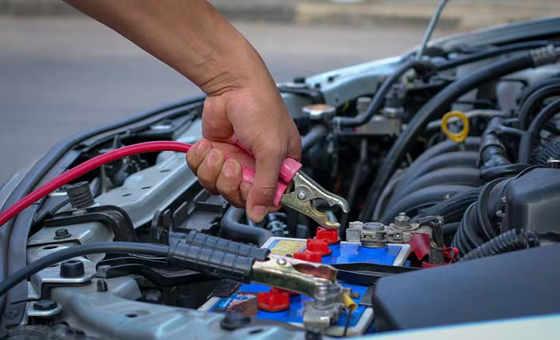
How to Jumpstart a Volkswagen Safely Near Daphne, AL A dead 12-volt battery can interrupt your day fast, but a Volkswagen jumpstart should never be rushed. The safest process starts with checking the battery condition, confirming the correct jump points, turning off electrical loads, connecting the jumper cables in the proper order, and using an approved ground point instead of guessing near battery sensors or wiring. Volkswagen of Daphne created this guide for drivers in Daphne, Fairhope, Spanish Fort, Mobile, Foley, and Gulf Shores who need clear steps for jumpstarting a VW Jetta, Tiguan, Taos, Atlas, Golf, or another Volkswagen model. Use this guide to understand when it is safe to jumpstart, when to call Volkswagen Roadside Assistance, and when a dead battery means it is time to schedule Volkswagen battery service. Last updated: July 8, 2026 A Volkswagen jumpstart uses a booster pack or another vehicle’s 12-volt battery to provide temporary power to a VW with a discharged 12-volt battery. On modern Volkswagen models, safe jumpstarting depends on correct cable order, approved jump points, battery condition, and extra caution around Stop-Start systems, battery monitoring, and sensitive electronics. Quick Answer: How Do You Jumpstart a Volkswagen? To jumpstart a Volkswagen, park safely, turn off both vehicles and electrical loads, connect the red cable to the disabled VW’s positive terminal or approved positive jump post, connect the other red cable to the assisting battery, connect the black cable to the assisting battery’s negative terminal, then connect the final black clamp to the approved ground point on the disabled VW. Start the assisting vehicle or booster pack, start the Volkswagen, then remove the cables in reverse order. Do not jumpstart: If the battery is leaking, cracked, frozen, swollen, smoking, sparking, heavily corroded, or smells like sulfur. Best first step: Check the owner’s manual for your exact Volkswagen model and year. Most common mistake: Guessing the negative connection point or clamping near battery sensor wiring. After the jumpstart: Schedule battery testing if the battery died more than once, the vehicle cranks slowly, or warning messages appear. Table of Contents Safety Warning: Read This Before Connecting Jumper Cables Before You Jumpstart Your Volkswagen Step-by-Step Volkswagen Jumpstart Instructions What to Do After Your Volkswagen Starts Common Volkswagen Jumpstart Mistakes to Avoid Jetta, Tiguan, Taos, Atlas, Golf, and Model-Specific Tips When to Schedule Volkswagen Battery Service Battery Help for Daphne, Mobile, and Gulf Coast Drivers Key Takeaways Volkswagen Jumpstart FAQ Safety Warning: Read This Before Connecting Jumper Cables Safety Warning: Do not jumpstart your Volkswagen if the battery is cracked, leaking, frozen, swollen, smoking, sparking, heavily corroded, or smells like rotten eggs. Do not jumpstart a vehicle that was recently flooded, has damaged cables, or shows warning messages that suggest a serious electrical fault. If you cannot identify the correct positive terminal, remote positive jump post, or approved ground point, stop and request help. Always follow the owner’s manual for your exact Volkswagen model and year. A dead battery can feel urgent, especially in a hot Daphne parking lot, during a Mobile commute, or before a family drive to Gulf Shores. Still, incorrect jumper-cable placement can damage electronics, cause sparks, or create safety hazards around the battery. The safest first step is not connecting cables. It is deciding whether the battery and location are safe enough to attempt a jumpstart. Situation Risk Recommended Action Why It Matters Battery is leaking, cracked, swollen, frozen, or smells like sulfur Possible chemical, gas, or explosion risk Do not jumpstart Battery damage can create a serious safety hazard You cannot identify the correct jump points Incorrect connection Check owner resources or request help Modern VW electrical systems need correct connection points Vehicle is on a highway shoulder or unsafe roadside Traffic injury risk Call roadside assistance Your safety comes before the jumpstart Cables or clamps are damaged Sparks, heat, or poor connection Do not use those cables Damaged cables can arc, overheat, or fail Battery has died more than once Weak battery, charging issue, or electrical draw Schedule battery testing A jumpstart does not solve the root problem Use Volkswagen Roadside Assistance Before You Jumpstart Your Volkswagen Key Takeaway: Before you connect cables, confirm the battery is safe, identify the correct positive and ground points, turn off electrical loads, and check the owner’s manual for your specific Volkswagen. Volkswagen jump point locations can vary by model, engine layout, battery location, and equipment. Some VW models use battery terminals directly, while others may have a remote positive jump post or a specific approved ground point under the hood. That is why we recommend checking the owner’s manual or digital owner resources before connecting anything. Before you begin, turn off headlights, climate control, heated seats, interior lights, chargers, audio, and other electrical loads. Make sure both vehicles are in Park, the parking brakes are set, and the vehicles are not touching. If you are using a portable booster pack, read the booster pack instructions before connecting it to the VW. Check Battery Condition Do not proceed if the battery looks damaged, swollen, frozen, leaking, or heavily corroded. Confirm Jump Points Find the approved positive point and approved ground point for your exact VW model. Turn Loads Off Turn off lights, climate control, seat heaters, chargers, and accessories before connecting cables. What to Know About Stop-Start and Battery Sensors Many modern Volkswagen vehicles use battery monitoring and may include Stop-Start systems. These systems can rely on battery condition data, charging behavior, and electrical sensors. Do not clamp onto sensor wiring, bypass battery sensors, or assume the negative battery post is always the preferred final connection point. Use the approved ground point listed in your owner resources. Volkswagen or Situation What to Check First Why It Matters Recommended Action Jetta, Taos, Tiguan, Atlas, Golf Owner’s manual jumpstart section Jump points may vary by model and year Use manual-specific instructions Stop-Start equipped VW Battery sensor and approved ground point Incorrect grounding can affect battery monitoring Use the approved ground point, not sensor wiring Remote positive jump post present Post location and cap marking Some models provide a dedicated positive point Connect the red clamp only after confirming location Unclear negative connection Approved body or engine ground Reduces spark risk near the battery Use owner resources or call for help Repeated no-start condition Battery age, charging system, and possible draw A jumpstart may be temporary Schedule Volkswagen battery testing Schedule VW Battery Service Step-by-Step Volkswagen Jumpstart Instructions Key Takeaway: The safest basic cable order is positive to the disabled VW, positive to the assisting battery, negative to the assisting battery, then negative to the approved ground point on the disabled VW. These steps are a general guide for many gasoline Volkswagen vehicles with a discharged 12-volt battery. Always follow your owner’s manual first. If your model-specific instructions are different, follow the manual. Park safely. Put both vehicles in Park, set the parking brakes, and make sure the vehicles are not touching. Turn everything off. Turn off headlights, climate control, heated seats, chargers, radio, and other electrical loads. Open the hood and locate the jump points. Find the positive terminal or approved positive jump post on your Volkswagen and the approved ground point for the negative clamp. Connect the red clamp to the disabled VW. Attach one red positive clamp to the positive terminal or approved positive jump post on the Volkswagen with the dead battery. Connect the other red clamp to the assisting power source. Attach it to the positive terminal of the good battery or the positive terminal on the booster pack. Connect the black clamp to the assisting power source. Attach one black negative clamp to the negative terminal of the good battery or booster pack. Connect the final black clamp to the disabled VW ground point. Use the approved unpainted metal ground point listed in the owner’s manual. Avoid clamping to sensor wiring or a questionable painted surface. Start the assisting vehicle or activate the booster pack. Let the assisting vehicle run briefly, or turn on the booster pack according to its instructions. Start the Volkswagen. Try to start the VW. If it does not start after a few attempts, stop and request professional help. Remove cables in reverse order. Remove the black clamp from the VW ground point, black clamp from the assisting battery, red clamp from the assisting battery, then red clamp from the VW. Step Cable or Action Where It Goes Important Note 1 Red positive clamp Disabled VW positive terminal or approved positive jump post Confirm the correct positive point first 2 Other red positive clamp Assisting battery or booster pack positive terminal Keep clamps separated 3 Black negative clamp Assisting battery or booster pack negative terminal Follow booster pack instructions if using one 4 Final black negative clamp Approved ground point on disabled VW Avoid battery sensor wiring and questionable surfaces 5 Start and remove Start VW, then remove cables in reverse order Stop if sparks, smoke, or abnormal behavior appears Do not let cable clamps touch each other while connected. Do not lean over the battery. Do not rev the assisting vehicle aggressively. Do not keep trying if the Volkswagen will not start, cranks oddly, shows electrical faults, or sparks occur. Book a Battery Inspection What to Do After Your Volkswagen Starts Key Takeaway: A jumpstart provides temporary power. It does not prove the battery is healthy or that the charging system is working correctly. After your Volkswagen starts, keep it running long enough to stabilize, then drive carefully only if the vehicle behaves normally. Do not assume the issue is solved. If the battery is weak, old, or unable to hold a charge, the vehicle may fail to restart after you shut it off. We recommend scheduling a battery test after any jumpstart, especially if the battery has died more than once, the vehicle starts slowly, the Stop-Start system is unavailable, or warning messages appear. Modern VW battery testing can check battery condition, charging performance, terminal condition, and whether replacement is needed. After-Start Symptom Possible Meaning What We Recommend Service Priority VW starts but cranks slowly again later Weak battery or charging issue Schedule battery testing High Stop-Start unavailable Battery charge or system condition concern Battery and system check Medium to high Battery warning light appears Charging-system concern Do not ignore it High Warning messages after jumpstart Electrical system needs review Have the vehicle inspected High Vehicle will not restart after being shut off Battery may not hold charge Battery diagnostic and possible replacement High Common Volkswagen Jumpstart Mistakes to Avoid Key Takeaway: The biggest VW jumpstart mistakes are guessing the jump points, connecting the negative clamp incorrectly, ignoring battery damage, using damaged cables, and assuming the battery is fine after one successful restart. A jumpstart is simple only when the battery is safe, the location is safe, and the connection points are clear. Many problems happen because someone tries to move too quickly. On a modern Volkswagen, the safest approach is to protect the driver, the battery, and the vehicle electronics before trying to save a few minutes. Mistake Why It Is a Problem Safer Alternative Who This Matters For Connecting cables without checking owner resources Jump points may vary by model Use the VW digital owner’s manual by VIN Jetta, Taos, Tiguan, Atlas, and Golf owners Clamping to sensor wiring near the battery Can affect battery monitoring Use the approved ground point Stop-Start equipped vehicles Trying to jump a damaged battery Can create serious safety hazards Stop and call roadside assistance All VW owners Letting clamps touch Can cause sparks or short circuits Keep clamps separated at all times Anyone using jumper cables Ignoring repeated dead batteries The problem will likely return Schedule battery diagnostic service Daily commuters and family drivers Using the wrong battery replacement later Can affect system performance Use the correct VW battery type and service process Modern Volkswagen owners When Not to Jumpstart Your Volkswagen Do not jumpstart your Volkswagen if the battery case is damaged, leaking, swollen, frozen, smoking, or has a strong sulfur smell. Do not jumpstart if the cables cannot be attached securely, if the vehicle was recently flooded, if the battery area has severe corrosion, or if you cannot find the correct jump points. Do not continue if sparks, smoke, popping sounds, or burning smells occur. We also recommend calling for help if the vehicle is in an unsafe location. A dead battery in a driveway is one situation. A dead battery near fast traffic, in heavy rain, or in a poorly lit parking area is another. Your safety should decide whether you continue. Get VW Roadside Assistance Jetta, Tiguan, Taos, Atlas, Golf, and Model-Specific Jumpstart Tips Key Takeaway: Drivers often search by Volkswagen model because battery location, jump-point access, Stop-Start equipment, and warning messages can vary across the lineup. The safest general process is similar across many Volkswagen vehicles, but the exact jump points and model-specific notes can vary. Before connecting cables, confirm the instructions for your VW Jetta, Tiguan, Taos, Atlas, Golf, or other Volkswagen model. Volkswagen Model Common Search Intent What to Check First Recommended Next Step Volkswagen Jetta How to jump start a Volkswagen Jetta Battery condition, positive point, and approved ground Use the manual-specific cable order and schedule testing after a jump Volkswagen Tiguan How to jump start a VW Tiguan Stop-Start system status and battery sensor area Use the approved ground point and avoid sensor wiring Volkswagen Taos VW Taos dead battery Battery age, slow crank, and warning messages Schedule a battery and charging-system test after restart Volkswagen Atlas VW Atlas battery jump start Family travel timing, battery condition, and jump points Test the battery before longer trips if it needed a jump Volkswagen Golf VW Golf dead battery or jumpstart Battery location and approved ground point Follow model-specific instructions before connecting cables For any Volkswagen model, repeated no-start symptoms should not be treated as normal. A jumpstart may help in the moment, but slow cranking, a battery warning light, an unavailable Stop-Start system, or a no-restart condition after shutdown should be checked by a Volkswagen service team. When to Schedule Volkswagen Battery Service Key Takeaway: Schedule Volkswagen battery service after any repeated jumpstart, slow crank, warning light, Stop-Start issue, or no-restart event. Schedule a Volkswagen battery inspection after any jumpstart if the battery has died more than once, the engine cranks slowly, the battery warning light appears, the Stop-Start system is unavailable, accessories behave oddly, or the vehicle will not restart after being shut off. We also recommend testing the battery before peak Gulf Coast summer heat because heat can expose a weak battery quickly. At Volkswagen of Daphne, our service team can test battery condition, check charging performance, inspect terminals, review symptoms, and recommend replacement if needed. If your Volkswagen uses battery management, replacing the battery properly matters. The right battery type and service process help protect electronics and support normal battery monitoring. Reason to Schedule What It May Mean Why Service Helps Battery died more than once Weak battery, charging issue, or electrical draw Testing can identify whether the battery needs replacement Slow crank Battery may be weak or struggling under load A battery test can confirm health before full failure Stop-Start unavailable Battery condition may not support the system Inspection can check battery and system readiness Battery warning light Charging-system concern may be present Diagnosis can prevent another no-start event Vehicle will not restart after a successful jump Battery may not hold charge Service can determine if replacement is needed Schedule Volkswagen Battery Testing Battery Help for Daphne, Mobile, and Gulf Coast Drivers Key Takeaway: Gulf Coast heat, humidity, daily commuting, short trips, and family travel can all contribute to weak battery performance around Daphne and Mobile. Daphne-area drivers often deal with battery stress before they realize it. A Jetta commuter may notice slower starts after I-10 driving and hot parking lots. A Tiguan family may find the vehicle dead after short trips, accessories, or a weekend sitting parked. A Taos driver in Mobile may have a battery that works one morning and fails the next. An Atlas owner preparing for a family trip should not wait for a second no-start before checking battery health. If you live in Daphne, Fairhope, Spanish Fort, Mobile, Foley, or Gulf Shores, we recommend scheduling battery service after a jumpstart rather than treating it as a one-time inconvenience. Our service team can help with battery testing, diagnostics, and genuine Volkswagen battery replacement when needed. Local Driver Situation Battery Risk Recommended Next Step Best Fit Daphne commuter Heat and daily starts Battery test after slow crank Jetta and Taos owners Fairhope family driver Short trips and accessory use Battery and charging check Tiguan and Atlas families Spanish Fort sports family Doors, lights, and cargo loading Inspect battery before long weekends Family SUV owners Mobile highway driver High heat and traffic delays Test battery before summer Daily commuters Gulf Shores traveler Road-trip no-start risk Battery inspection before travel Weekend drivers Schedule VW Service in Daphne Key Takeaways Check your Volkswagen owner’s manual before jumpstarting because jump points can vary by model and year. Do not jumpstart a damaged, leaking, frozen, swollen, smoking, or sulfur-smelling battery. Use the approved ground point, especially on VW models with Stop-Start or battery monitoring. Connect jumper cables in the correct order and remove them in reverse order. A jumpstart is temporary. Schedule battery testing after repeated no-start issues, slow cranking, warning lights, or Stop-Start concerns. Do not guess if the vehicle is in an unsafe location or you cannot identify the correct jump points. Use roadside assistance instead. Volkswagen Jumpstart FAQ Can I jumpstart a Volkswagen with Stop-Start? You can jumpstart many Volkswagen vehicles with Stop-Start, but you should follow the owner’s manual for the exact model and year. Stop-Start vehicles may use battery monitoring and sensors, so the negative jumper cable should connect to an approved ground point rather than sensor wiring. If you are not sure where to connect, stop and use Volkswagen Roadside Assistance or schedule battery service. Where are the jump points on a Volkswagen? Volkswagen jump point locations can vary by model, year, engine layout, and equipment. Some vehicles use battery terminals, while others may have a remote positive post or a specific approved ground point under the hood. We recommend using Volkswagen digital owner resources to confirm the correct jump points before connecting cables. Should I connect the negative jumper cable to the battery? In many modern Volkswagen jumpstart procedures, the final negative clamp should connect to an approved unpainted metal ground point on the disabled vehicle, not directly to the negative battery terminal. This can reduce spark risk near the battery and helps avoid clamping onto battery sensor wiring. Always follow the owner’s manual for your exact model. Why does my Volkswagen battery keep dying? A Volkswagen battery may keep dying because the battery is old, weak, discharged from short trips, affected by heat, or unable to hold a charge. Other possible causes include charging-system issues, accessory drain, loose connections, or electrical faults. If your VW needs more than one jumpstart, we recommend scheduling battery testing and a charging-system inspection. When should I replace my Volkswagen battery? You should consider replacing your Volkswagen battery when testing shows it cannot hold a charge, the vehicle cranks slowly, the battery warning light appears, the battery is damaged, or the vehicle repeatedly needs a jumpstart. Modern VW models may require the correct battery type and service process, especially if the vehicle uses Stop-Start or battery management. How do I jump start a Volkswagen Jetta? To jump start a Volkswagen Jetta, confirm the battery condition and jump points in your owner resources, connect the positive cable to the approved positive point, connect the assisting battery or booster pack, and use the approved ground point for the final negative clamp. After the Jetta starts, schedule battery testing if the battery has died more than once. How do I jump start a VW Tiguan? To jump start a VW Tiguan, use the model-specific jumpstart instructions for your year and trim. Tiguan models may include Stop-Start or battery monitoring, so avoid clamping onto sensor wiring and use the approved ground point. If warning messages appear after the jumpstart, schedule Volkswagen battery service. Can Volkswagen of Daphne test my battery after a jumpstart? Yes. Volkswagen of Daphne can test your battery, check charging performance, inspect terminals, and recommend replacement if needed. This is especially important after repeated dead-battery issues, slow starts, battery warning lights, or Stop-Start system concerns. A safe Volkswagen jumpstart starts with the right information, the right jump points, and the right judgment. If the battery looks unsafe, the vehicle is in a dangerous location, or you cannot confirm the correct procedure, use Volkswagen Roadside Assistance instead of guessing. If your VW starts after a jump, schedule a battery inspection so the problem does not return. Volkswagen of Daphne helps drivers from Daphne, Fairhope, Spanish Fort, Mobile, Foley, and Gulf Shores with battery testing, diagnostics, and Volkswagen battery replacement. Schedule Volkswagen Battery Service