Blog

Volkswagen Tire Replacement Signs Every Daphne Driver Should Know

25-09-29_VW-of-Daphne_Tires_replacement

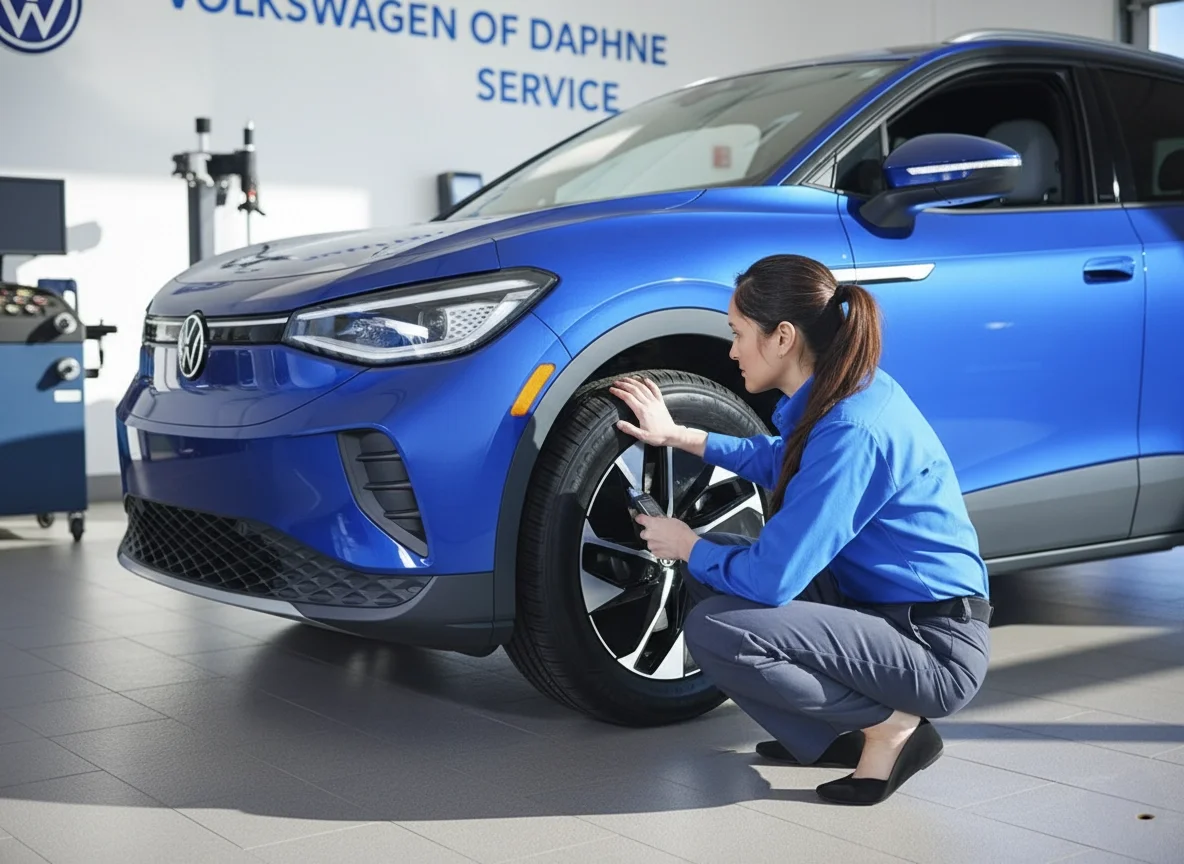
Most people don’t check their tires until something feels awry. Maybe you notice your car pulling a little, maybe the steering wheel shakes, or maybe the tread just looks flat. Whatever the case, your tires quietly tell you a story — and if you know the signs, you can catch problems before they turn into big repair bills.

Why your tires deserve attention

Think about how much your Volkswagen depends on them. Every stop at a red light in Mobile, every turn into your neighborhood in Daphne, every highway trip down I-10 — your tires are doing the hard work. When they’re worn out, your car doesn’t stop as quickly, it doesn’t hug the road as well, and frankly, it just doesn’t feel right.

Volkswagen tire replacement signs you should never ignore 

Here are a few everyday clues that mean it might be time to shop for VW tires in Daphne:

  • Low tire tread. If you slide a penny on the tire tread and see the top of Lincoln’s head, you’re overdue. Thin tread = less grip, especially in the rain.
  • Uneven tire wear. One side smooth, the other still fine? That often points to alignment issues. Don’t ignore it, because it only gets worse.
  • Cracks or bubbles on tires. Sidewall damage happens more than you’d think—hitting curbs, potholes, or just plain heat. A bubble means the tire could give out without warning.
  • Shaky rides. That weird vibration in your steering wheel at 60 mph? It’s either balance or the tire itself. Either way, it’s definitely worth a check.
  • Old age. Even if you don’t drive much, rubber breaks down. Around six years is usually the limit, so have your tires checked if it's been that long. 

Why come to Volkswagen of Daphne?

Yes, you could pick up a set of tires at a chain store. But here’s the difference: our team knows Volkswagens. We are knowledgeable about which tires are made for a Tiguan, Atlas, or Jetta. We’ll match you with OEM-approved options that give you the ride and fuel economy your car was built for. And we won’t push you unnecessarily. 

Plus, we keep things simple. Drop in, get your tires inspected, and leave with a clear answer. If you do need new tires, we’ll explain your options and get you back on the road quickly.

Don’t wait for a blowout

Tire services are not exciting, but they keep you safe. If you’ve noticed any of these Volkswagen tire replacement signs, or if it’s been years since you swapped them out, it’s better to act now than to be stuck on the side of Highway 98 later.

Book your tire service with Volkswagen of Daphne today. We’re here for drivers all across Daphne, Fairhope, and Mobile, and we’ll make sure your Volkswagen keeps rolling safely for many miles to come — with comfort, reliability, and total peace of mind on every journey you take.

Recommended Posts

Find the Right DSG Interval Before Booking Service

Volkswagen DSG Service: When Does Your Transmission Need It?

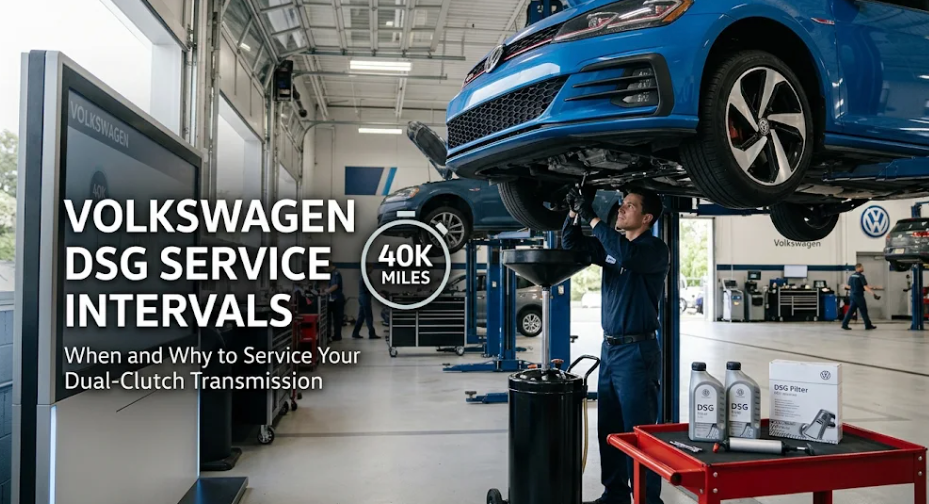
Volkswagen of Daphne Find the Right DSG Interval Before Booking Service By Pinnacle Advertising Editorial Team Volkswagen DSG service intervals depend on the vehicle's model year and transmission, so there is no single mileage recommendation for every DSG-equipped Volkswagen. Volkswagen's 2026 maintenance schedule lists an 80,000-mile fluid service, with filter replacement if applicable, for transmission code 0GC. Other DSG codes appear with different intervals in earlier schedules, making vehicle identification the first step before booking. If you have seen both 40,000 and 80,000 miles online, the difference does not automatically mean one source is wrong. The sources may describe different gearboxes or model years. What matters is whether the recommendation applies to the transmission installed in your car and whether any additional operating-condition guidance changes the maintenance plan. This guide helps you establish the applicable schedule, review previous work, and distinguish a routine fluid appointment from a concern that needs diagnosis. Bring the VIN, current mileage, and available service records to Volkswagen of Daphne so the next step can be based on your vehicle rather than a general rule. Volkswagen DSG Service Guide Identify your transmission Understand the intervals Check service history Consider driving conditions Maintenance or diagnosis? Review the service scope Keep drivetrain services separate Compare service estimates Prepare for an appointment FAQs What is DSG service? DSG is Volkswagen's name for a dual-clutch automatic transmission. Scheduled DSG fluid service follows the maintenance requirements for the specific gearbox, including filter replacement where applicable. First, Confirm That Your Volkswagen Has a DSG An automatic gear selector does not identify the transmission on its own. Volkswagen has used different automatic transmissions across its models, and the gearbox can change between model years. A recommendation for another Volkswagen with a familiar model badge may therefore be the wrong starting point for your car. Ask for the transmission to be identified through the vehicle's information and service documentation. The VIN helps the service department look up the vehicle and its equipment; owners do not need to decode a gearbox specification themselves. The useful outcome is a confirmed transmission identification and the maintenance schedule that applies to it. Why the Model Name Is Not Enough A GTI, Golf R, or Jetta GLI owner should still check the exact model year and transmission. Those names are useful context for the appointment, but they are not substitutes for the vehicle record. Likewise, the word automatic on an older invoice does not prove that the work described was a DSG-specific service. If a previous owner replaced the transmission or made relevant modifications, provide that information too. An account of what is currently installed is more useful than an assumption based only on how the vehicle left the factory. Tell the advisor what you know and what remains uncertain so the identification can be checked before a service is approved. Distinguish a Lookup Code From an Owner's Checklist You may see codes such as 0GC, 02E, or 0D9 in maintenance documents and online discussions. They help distinguish transmission applications. You do not need to memorize them before calling, but you should expect the recommended work to be tied to the applicable vehicle information rather than to an unexplained universal interval. Is DSG Service Due at 40,000 or 80,000 Miles? Both figures appear in Volkswagen maintenance literature, but they should not be applied interchangeably. The important question is which transmission and model-year schedule each figure describes. Start there before comparing recommendations from a forum, independent shop, or another dealership article. Volkswagen's 2026 U.S. schedule lists transmission code 0GC under an 80,000-mile automatic-transmission fluid service, with the filter changed if applicable. Volkswagen's 2019 schedule lists DSG codes 02E and 0D9 under a 40,000-mile interval. These examples demonstrate why the gearbox and model year must be matched before either number becomes a recommendation for a particular vehicle. Examples from Volkswagen maintenance schedules Document and transmission Listed interval How to use the information 2026 schedule, code 0GC Every 80,000 miles Confirm that the vehicle and transmission fall within that schedule. 2019 schedule, codes 02E and 0D9 Every 40,000 miles Apply only after matching the relevant vehicle information. Another model year or gearbox Use its applicable schedule Do not transfer an interval from a different application. These are document-specific examples, not a complete application chart. Follow the maintenance information for the exact vehicle, including any applicable operating-condition guidance. Do Not Substitute a Nearby Model Year A 2026 schedule should not be presented as confirmation of every 2027 vehicle's requirements. If you own a newer model, ask for its corresponding maintenance information. If you own an earlier car, start with that year's documentation rather than assuming that a more recent interval supersedes it. The same principle applies when a search result uses a current publication date but describes an older vehicle. An article can be newly published while the transmission information inside it concerns another generation. Check the application, not simply the date at the top of the page. Read the Service Operation as Well as the Mileage A maintenance table can contain inspections, replacements, and other drivetrain operations with different requirements. Confirm what the row actually calls for. A fluid inspection is not the same operation as a fluid change, and wording that includes a filter only where applicable should not become a promise of identical parts on every gearbox. Check What Was Done Before Counting the Next Interval Once the correct schedule is established, review the service history. An invoice showing the date, mileage, vehicle identification, and work performed is more useful than a general statement that the car was fully serviced. Look for a specific transmission-related description and ask for clarification if the wording is unclear. A record of an engine oil change does not establish that DSG fluid was changed at the same visit. A broad inspection entry does not establish fluid replacement either. Keep those distinctions clear when gathering records so the next maintenance recommendation starts with what is documented rather than what might have happened. If You Bought the Car Used Ask the seller or previous service provider for the detailed repair orders available for the vehicle. A summary may help locate a visit, but the underlying invoice can explain the service more clearly. Mark any missing records as unknown instead of turning an incomplete history into a confident maintenance date. Then give the service advisor both the known work and the gaps. A car with uncertain history needs an individualized review of its applicable schedule, mileage, and condition. That review should establish what can be confirmed and what recommendation follows, rather than automatically treating every used DSG vehicle the same way. If a Record Says Transmission Service Ask whether that entry identifies the fluid operation, the applicable filter work, and the mileage. If the service included a separate drivetrain component, have that distinguished from the gearbox work. Keep the clarified record with the vehicle documents so the same uncertainty does not return when you plan the next appointment. Can Driving Conditions Change the Maintenance Plan? Volkswagen's maintenance schedules explain that certain operations may be needed between the normal intervals under severe conditions. The introductory guidance specifically includes drivetrain fluid service among the areas that can be affected. That is a reason to discuss relevant use, not a reason to invent a shorter mileage recommendation for every owner. Describe how the car is actually used. Include towing where applicable, commercial use, unusual dust exposure, modifications, or other circumstances you think may matter. Ask which part of the manufacturer's guidance applies and whether the recommendation is scheduled maintenance, an additional inspection, or a condition-based suggestion. Apply Local Context Without Creating a New Rule A Daphne-to-Mobile commute, short trips along US-98, and occasional longer Gulf Coast journeys describe different routines. Share that context if you are discussing a maintenance plan. Living on the Eastern Shore alone does not establish a special DSG interval, and a local reference should never replace the vehicle-specific schedule. If an advisor proposes earlier service, ask for the reason and how it relates to your car's use. A clear explanation helps you distinguish the manufacturer's listed requirement from an additional recommendation. You can evaluate the proposed work more confidently when those two categories are identified rather than blended together. Scheduled Service and Transmission Problems Are Different Questions A fluid-service interval tells you when a maintenance operation is scheduled. It does not diagnose a warning message or explain a change in shifting behavior. If something feels different, report the concern rather than booking only a fluid change and assuming it will resolve the issue. Useful observations include when the concern started, whether it occurs when selecting a gear or during a shift, and whether the dashboard displays a message. Describe what you experienced without trying to identify a failed component yourself. Those details help establish the concern that needs assessment. Follow the Vehicle's Warning Instructions Volkswagen's warning-light guide distinguishes a DSG temperature warning from a transmission-malfunction warning. Read the actual message in the instrument cluster and follow the owner's instructions for that vehicle. A generic online list cannot determine whether your particular warning permits continued driving. If the display instructs you to stop, stop as soon as it is safe and follow the prescribed guidance. If the vehicle cannot be controlled or driven safely, arrange assistance rather than continuing a normal journey. Do not drive repeatedly to reproduce a fault or postpone a warning simply because a maintenance interval has not arrived. Keep a Useful Description When safely parked, note the message wording, approximate mileage, and circumstances. Tell the advisor about any recent service or relevant changes to the vehicle. If the issue occurred once and has not returned, say that too. An accurate account is more useful than exaggerating the frequency in an attempt to make the concern easier to reproduce. What Should a DSG Service Appointment Cover? The applicable maintenance information establishes the required operation. Before approving the appointment, ask for the proposed scope in plain language: what fluid-related work is included, whether filter replacement applies, and whether any additional work is being recommended. The description should correspond to the transmission identified for the vehicle. This is also the time to distinguish a routine service from diagnostic work. If you reported a warning or drivability concern, ask how that assessment will be handled. A maintenance estimate and a diagnosis can address different needs even when both concern the transmission. Confirm Materials and Procedure for the Exact Gearbox Do not choose a fluid specification or service quantity from another car's invoice. Ask the provider to use the information that applies to your transmission. A general reference to automatic-transmission fluid does not by itself establish that the correct material or procedure has been selected. Likewise, do not assume a service advertised with a particular name includes every operation your vehicle requires. Have the provider explain what will be done and what will be recorded afterward. That makes it easier to compare the proposal with the schedule and to maintain a useful service history. DSG Fluid Is Not Every Drivetrain Fluid Some Volkswagens have additional drivetrain components with separate maintenance requirements. Volkswagen's 2025 schedule, for example, lists AWD-clutch fluid, front differential-lock fluid, and Golf R rear differential fluid as distinct operations. A DSG-fluid appointment should not be assumed to include all of them. This matters when an owner hears that the transmission service is not yet due and interprets it as confirmation that no drivetrain maintenance is needed. Ask for the complete vehicle-specific schedule to be reviewed. Some operations can depend on elapsed time as well as distance, so low annual mileage does not answer every maintenance question. Keep Each Operation Identifiable If more than one fluid service is recommended at the same visit, ask for separate descriptions on the estimate and invoice. You should be able to tell which component was serviced and why. Clear records prevent a later owner or service advisor from confusing one drivetrain operation with another. Read Time and Mileage Requirements Separately When a maintenance item includes both distance and elapsed time, check which limit arrives first. Do not borrow the time requirement from a nearby row, and do not assume every fluid on the car follows the DSG interval. The schedule may group several components on one page while assigning each a different requirement. For an owner who drives relatively little, the purchase date and dated invoices can therefore matter alongside the odometer. For a high-mileage commuter, distance may become the more immediate planning factor for a particular operation. Have each applicable requirement identified before combining several services into one appointment. The goal is a clear maintenance plan, not a single number used to describe the entire drivetrain. How to Compare a DSG Service Estimate A useful quote identifies the vehicle and the work proposed. Compare the scope before comparing totals. Check whether applicable parts and fluid, labor, taxes, fees, and any separate diagnostic charge are included. If one estimate contains additional work, ask what that work addresses before treating the two proposals as equivalent. Price and appointment duration depend on the actual service being planned. Request current figures from the provider instead of using a generic internet price as a promised local cost. If you need the vehicle back at a particular time, discuss that requirement when arranging the appointment rather than assuming the service description establishes a completion time. Do Not Assume Warranty or Maintenance-Plan Payment Routine maintenance, diagnosis, and repair are different categories. Coverage depends on the vehicle's warranty and any applicable maintenance or service agreement. Ask which proposed charges, if any, are covered and which remain your responsibility. A general ownership-program name does not confirm payment for a particular DSG operation. Bring the relevant plan documents if you have them. Have eligibility reviewed against the actual vehicle, service, and contract terms. This avoids relying on a warranty description written for another model year or assuming that an included early maintenance visit covers a later transmission-fluid service. Leave With a Record You Can Use Again Review the completed invoice before filing it away. It should make the vehicle, service date, mileage, and work performed identifiable. If the description is abbreviated, ask what it means while the visit is still fresh. Keep any explanation with the invoice rather than relying on your memory when the next service question comes up. Ask how the next applicable maintenance point should be recorded for your vehicle, especially if the previous history was incomplete or several operations were performed together. This does not turn an invoice into a replacement for Volkswagen's schedule. It gives you a documented starting point for the next review and helps another service provider understand what has actually been completed. Prepare for DSG Service Near Daphne For a DSG-equipped Volkswagen, the next step depends on both maintenance history and current operation. If the car is operating normally, confirm the applicable interval and documented previous service before approving routine work. If a warning or drivability concern is present, describe it when booking so the request addresses diagnosis as well as any scheduled maintenance. Have the following information ready when contacting the Volkswagen of Daphne service department: VIN and model year: enough information to identify the vehicle and check the applicable transmission records. Current mileage: use an actual odometer reading when possible. Previous invoices: include the most recent transmission-related work and any uncertain entries. Relevant vehicle use: describe circumstances that may affect the maintenance review. Any current concern: include warning text, changing behavior, and when it occurs. Ask the team to confirm the recommended work, current estimate, and appointment requirements for your exact vehicle. If the online scheduler does not describe your request precisely, include a note or speak with the department before the visit. A clear description is more useful than selecting an unrelated menu item to finish the form. Key Takeaways DSG service depends on the vehicle, model year, and transmission application. Volkswagen schedules contain both 40,000- and 80,000-mile DSG examples for different applications. Review actual invoices before assuming a previous fluid service was completed. Warnings and changing behavior require an assessment, not an assumed fluid-service cure. Keep other drivetrain operations, service scope, and coverage questions separate. Volkswagen DSG Service FAQs Does every automatic Volkswagen need DSG service? No. Automatic Volkswagens can use different transmissions. Confirm the gearbox installed in your vehicle before choosing a DSG-specific service or applying an interval from another model. Can a DSG be due for maintenance if it shifts normally? Yes. Scheduled maintenance is based on the applicable requirements and service history. Normal operation does not establish that a listed fluid service has already been completed or is unnecessary. Will changing DSG fluid fix a warning message? Not necessarily. A warning needs assessment according to the vehicle's instructions and the concern reported. A scheduled fluid change should not be presented as a guaranteed repair. What if I cannot find the previous DSG service invoice? Tell the advisor that the history is uncertain and provide any records you do have. Have the vehicle's schedule and condition reviewed rather than guessing when the service occurred. Plan the Right Volkswagen Service Visit Contact Volkswagen of Daphne with your VIN, mileage, and service records to discuss the appropriate next step. Confirm the transmission application and proposed work before the appointment. Schedule Volkswagen Service Call the Service Department Related Volkswagen Insights & Updates Ownership planning Are Volkswagen Vehicles Expensive to Maintain? Consider maintenance planning and the factors that affect a vehicle-specific service estimate. Read More → Warning lights Volkswagen Dashboard Lights and What They Mean Understand dashboard warnings while following the instructions for your exact vehicle. Read More → Describing a concern Common Volkswagen Engine Noises Explained Learn how to describe an unusual sound without assuming the engine or transmission is responsible. Read More →

2027 Volkswagen Jetta: What's New for Daphne Drivers?

2027 Volkswagen Jetta: What's New for Daphne Drivers?

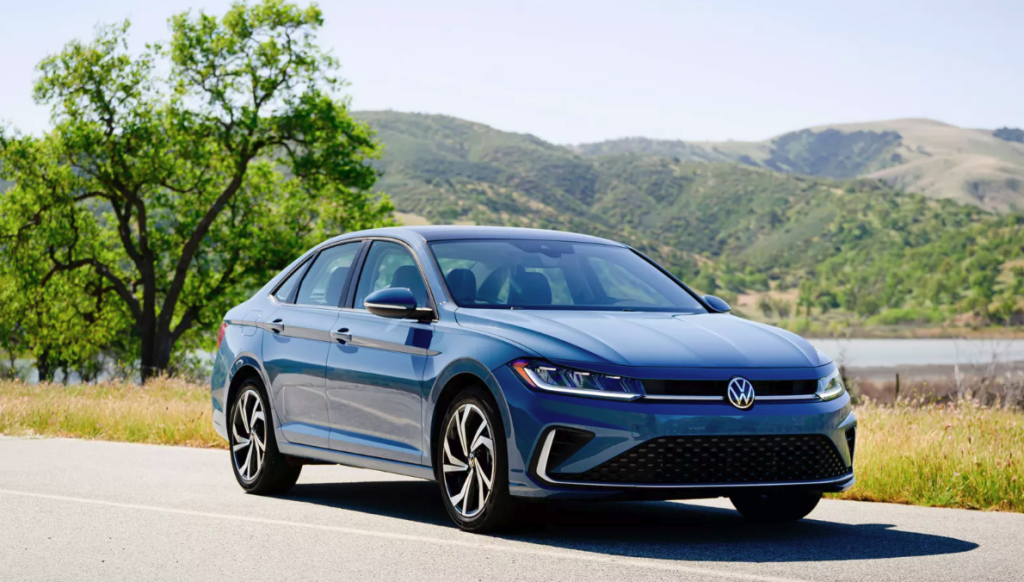
Volkswagen of Daphne What's Changed, What Carries Over, and Which Updates Matter By Pinnacle Advertising Editorial Team The 2027 Volkswagen Jetta adds useful standard equipment to the S and Sport, including upgraded infotainment, six speakers, keyless access, and push-button start. The regular Jetta retains its 158-horsepower turbocharged engine and eight-speed automatic, while the performance-oriented GLI uses a seven-speed DSG automatic for 2027. For shoppers comparing model years, the biggest questions are whether the added equipment changes the trim they need and whether a manual transmission is essential. Those are different decisions. A commuter interested in an S may get more of the equipment they wanted without choosing a higher trim. Someone comparing SE and SEL should spend more time evaluating their existing comfort differences. A GLI shopper needs to consider the transmission change before comparing colors or convenience features. Start with what you want the new car to improve about your current drive. Then compare the actual vehicle configurations, including any 2026 alternatives, rather than assuming the newer model year automatically deserves a larger share of your budget. 2027 Jetta Guide What's new for 2027 How the updates affect trim choice 2026 vs 2027 GLI changes and DSG Commuting and fuel economy Technology and everyday use Before choosing a vehicle FAQs Jetta vs Jetta GLI The Volkswagen Jetta is a front-wheel-drive compact sedan offered in S, Sport, SE, and SEL trims. The Jetta GLI is a separate performance-oriented version with a larger engine, a different transmission, and additional chassis equipment. What's New on the 2027 Volkswagen Jetta? The most relevant updates reach the two lower regular Jetta trims. Volkswagen adds the Composition Media infotainment system to S and Sport, bringing satellite-radio capability, voice control, and a six-speaker audio system. Keyless access and push-button start also become standard on those versions. An enhanced rear seatbelt reminder applies across the lineup. The practical consequence is that a buyer returning to the Jetta after researching an earlier year should revisit the S and Sport before moving directly to SE. A feature that previously influenced the upgrade decision may now be included farther down the lineup. That does not erase the differences among trims, but it changes which differences deserve your attention. 2027 Jetta updates and their practical significance Area 2027 information Why it matters S and Sport infotainment Composition Media, voice control, satellite-radio capability, six speakers Recheck whether a higher trim is necessary for your connectivity priorities. S and Sport access Keyless access and push-button start These convenience features no longer require moving above Sport. Seatbelt reminder Enhanced rear seatbelt reminder across the lineup Familiarize yourself with its operation in the owner's literature. Regular Jetta powertrain 158 hp, eight-speed automatic The model-year update is primarily an equipment decision. GLI transmission Seven-speed DSG automatic Manual-transmission shoppers need a different model-year search. New Equipment Does Not Mean Every Service Is Included Forever Separate the hardware in the car from any subscription or trial that works through it. A radio capable of receiving a service does not establish how long a subscription lasts. Likewise, the availability of additional voice functions does not mean every connected feature is permanently included in the purchase price. During a demonstration, ask which functions work directly through the vehicle, which need a compatible phone, and which require enrollment or payment. That makes the infotainment improvement easier to evaluate without assuming that every feature shown in an advertisement will be available under the same terms. How Do the Updates Affect S, Sport, SE, and SEL? All four regular trims use the same basic powertrain, so buying a higher regular Jetta trim is not a route to a larger engine. The meaningful differences involve appearance, seating, cabin convenience, and displays. Choose among those differences after identifying the features that would change your own use of the car. The 2027 Jetta S and Sport now include keyless access and the upgraded infotainment system, while SE adds conveniences such as remote start, wireless charging, and power adjustment for the driver's seat. SEL adds features including Digital Cockpit Pro, navigation, and ventilated front seats. The useful comparison is which additional functions you will use, rather than treating every higher trim as a necessary upgrade. Jetta S: Reconsider the Starting Point The S starts at $23,995 MSRP. Volkswagen lists a $1,325 destination charge, bringing the base vehicle and destination total to $25,320 before taxes, title, options, dealer charges, and other applicable costs. This is a manufacturer-price calculation, not a quote for a particular car. For a shopper focused on essential sedan transportation, the equipment changes make the starting trim worth a fresh look. Check the seating position, display layout, phone connection, and normal cargo needs before deciding something is missing. If the S covers your actual requirements, spending more becomes a preference rather than an obligation. Jetta Sport: Design and Chassis Details The Sport combines distinct exterior and interior details with the XDS Cross Differential System. Its equipment includes 17-inch alloy wheels, a grille light bar, embossed cloth upholstery, a black headliner, and stainless-steel pedal caps. The standard engine remains the same as the other regular Jetta trims. That distinction matters if the Sport name makes you expect GLI performance. Compare the appearance in person, but judge acceleration and transmission behavior during the drive. If a different powertrain is the main reason you are shopping, include the GLI in the conversation instead of assuming the Sport provides that change. Jetta SE: Concentrate on Daily Convenience The SE is worth comparing when seat adjustment, remote start, wireless charging, and a panoramic sunroof fit your priorities. Heated front seats are also included. These are different benefits, so avoid treating the entire list as equally important simply because the items arrive together in one trim. If two people share the car, have both adjust the driver's seat. If phone integration is the deciding factor, try your own compatible device. The strongest reason to choose SE is a group of conveniences that you recognize as useful after a demonstration, not the assumption that the middle trim is automatically the best value. Jetta SEL: Evaluate the Cabin Upgrades The SEL emphasizes cabin equipment with leather seating surfaces, the 10.25-inch Digital Cockpit Pro, navigation, premium audio, and ventilated front seats. It also includes a heated steering wheel and heated outboard rear seats. Compare the actual controls and seating experience rather than choosing from the feature names alone. Separate the instrument cluster from the center touchscreen when comparing displays. A larger driver display is not the same thing as a larger infotainment screen. Ask to see the information you would normally use, then decide whether the additional display flexibility matters enough to influence the purchase. Should You Choose a 2026 or 2027 Jetta? The model-year question is most useful when you compare equivalent vehicles. Put a 2026 S beside a 2027 S, or compare similarly equipped Sport models, before drawing a conclusion. Comparing a lower trim from one year with a higher trim from another can make equipment packaging look like a larger product change. For S and Sport shoppers, begin with the newly standard access and infotainment features. For SE and SEL shoppers, look more closely at the exact vehicle equipment and complete price. The regular Jetta's continuing engine and transmission mean a newer badge alone does not establish a different level of power. If You Already Own a Recent Jetta Write down what you want to improve before looking at the update list. Perhaps your current car lacks a convenience feature, the seat no longer suits your routine, or your passenger needs have changed. Those are concrete reasons to compare another vehicle. A new model year does not require replacing a car that still serves its purpose. If the desired improvement is one of the additions to S or Sport, test it directly. If the goal is more performance, the regular lineup's equipment changes do not answer that need. This distinction helps you avoid replacing a vehicle for a difference that will have little effect on the way you use it. If You Are Comparing Remaining Earlier-Year Vehicles Use the individual window stickers to establish what each car includes. A model-year description cannot tell you which optional equipment is on a specific vehicle. Compare the drivetrain, trim, options, and complete written price together, and ask about any meaningful difference you cannot identify from the documents. Availability is a separate question. Review current Volkswagen vehicle listings and confirm the exact car before arranging a visit. Neither an earlier model year nor a newer one should be assumed available in your preferred trim, color, or configuration without checking. The 2027 Jetta GLI: More Than a Trim Upgrade The GLI Autobahn starts at $33,795 MSRP before destination and other applicable charges. Its turbocharged 2.0-liter engine produces 228 horsepower and 258 lb-ft of torque, compared with the regular Jetta's 158 horsepower and 184 lb-ft. Both send power to the front wheels, but their transmissions and chassis equipment differ. The GLI's seven-speed DSG is a dual-clutch automatic. There is no clutch pedal for the driver to operate. For 2027, the GLI no longer offers the manual transmission available in the previous model year. If shifting a manual is essential to your purchase, establish that requirement before spending time comparing the new GLI's convenience equipment. Why Sport and GLI Are Different Decisions The Sport retains the regular Jetta engine, while the GLI changes the engine, transmission, and chassis package. That makes the GLI a different kind of purchase decision from choosing cloth versus leather or adding a convenience feature. Start by deciding whether you want those driving-related differences, then consider whether the cabin also suits you. A test drive should include the situations you expect to encounter most often. Ask for an appropriate route with normal low-speed maneuvering and some higher-speed driving where conditions allow. Evaluate the transmission's response and the seat comfort rather than trying to reproduce an enthusiast review or judge the car from a single acceleration. What DCC and the Differential Add to the Comparison The GLI includes DCC adaptive damping and an electronically controlled front limited-slip differential called VAQ. DCC adjusts damping in response to driving conditions and the selected profile. VAQ manages the torque balance between the front wheels. These are separate systems with different functions, rather than two names for the same feature. Ask for the available driving profiles to be explained while parked, then compare their operation on a suitable route. The point is to decide whether the driving characteristics suit your preferences. The presence of additional hardware does not tell you in advance which setting you will enjoy or whether the GLI is the right commuter for your household. What the 2027 Jetta Means for an Eastern Shore Commute Volkswagen lists EPA estimates of 29 mpg city and 40 mpg highway for the regular Jetta. Combined ratings are 34 mpg for S and 33 mpg for Sport, SE, and SEL. The GLI is listed at 26 city, 35 highway, and 29 combined. Actual mileage varies with driving habits, vehicle condition, and operating circumstances. Use the figures to compare vehicles, not to promise the result of a particular route. A weekday built around local stops along US-98 gives the city and combined estimates more relevance than a headline highway number. A routine with substantial I-10 travel makes the highway estimate useful, but traffic and your driving still matter. Put a Small MPG Difference in Perspective For an illustrative 12,000 miles, dividing distance by 34 mpg gives about 353 gallons; dividing by 33 mpg gives about 364 gallons. The difference is roughly 11 gallons under those assumptions. This calculation is not a prediction of either car's actual consumption, and it does not include a fuel-price assumption. It helps explain why a one-mpg combined difference should be considered alongside equipment and purchase price. Estimate your own mileage before assigning a dollar value to fuel economy. If your annual distance is different, use that number instead of importing a generic commuter profile that does not resemble your week. Check Passenger and Trunk Fit The Jetta provides 14.1 cubic feet of trunk space and 37.4 inches of rear legroom, with a standard 60/40 split-folding rear seat. Those specifications provide a starting point, but your own bags, passengers, and seating position determine whether the layout works comfortably for your routine. Bring an awkward everyday item if cargo fit is important. Set the driver's seat first, then check the space behind it. If your household is moving from an SUV, pay particular attention to the trunk opening and loading process, rather than assuming a cargo-volume number describes the entire experience. Technology to Try Before You Decide The new infotainment equipment is most useful when it works with the devices and habits you already have. Connect a compatible phone, test the audio source you expect to use, and locate the functions you need during an ordinary journey. Make those checks while parked so the demonstration does not compete with driving. Ask what needs initial setup and which features depend on subscriptions or connectivity. If more than one person will drive, discuss how each would connect a device. A few minutes spent understanding those steps can answer a practical question that a long equipment list leaves open. IQ.DRIVE Still Requires an Attentive Driver IQ.DRIVE is standard across the Jetta lineup and includes features such as Travel Assist, Adaptive Cruise Control, Front Assist, and Lane Assist. These technologies provide assistance within their operating limits. They do not make the Jetta autonomous or remove the driver's responsibility to remain attentive and in control. Have the controls, indicators, and cancellation procedures explained before using the systems. Read the owner's information for operating conditions and limitations. On a Bayway commute, understanding what an alert means and when assistance may be unavailable is more valuable than merely recognizing the technology's name. Match the Demonstration to the Vehicle You Want When a demonstration uses a different trim, ask which features carry over to your candidate. An impressive display or seating feature on a showroom GLI does not establish that the same equipment is included on a Jetta S. Keep the vehicle's identity clear whenever you move between photographs, online listings, and cars on the lot. The same applies to an earlier-year example. It can help you assess basic seating or cargo needs, but it cannot demonstrate every 2027 equipment change. Return to the exact configuration for the features that decide your purchase. This is especially useful when the reason for choosing the newer model year is one specific addition rather than a broad change in vehicle size or performance. How to Make the Final Comparison Useful Choose a 2027 Jetta by separating model-year changes from trim differences. Compare S and Sport first if the newly standard equipment meets your priorities, then consider SE or SEL for the additional cabin features you will use. Treat the GLI as a separate powertrain and driving-experience choice, particularly if transmission preference is central to your decision. Name the improvement you want. Identify the inconvenience or limitation in your current car that the next vehicle should address. Compare equivalent configurations. Keep model year, trim, and optional equipment clear on each candidate. Demonstrate the deciding features. Try the phone connection, seating, displays, and controls that could change your choice. Request complete written figures. Review the actual vehicle price and applicable charges separately from any proposed payment. Keep a brief note on each car after the visit: one feature you valued, one compromise, and one unanswered question. That makes the comparison easier to revisit at home. It also gives another household driver a clearer picture than simply saying a particular trim felt better equipped. For ownership programs, review the documents that apply to the specific vehicle. Warranty coverage, scheduled maintenance, roadside assistance, and connected services are different benefits with their own limits. Ask which services are included and which costs remain yours, rather than treating a broad ownership-package name as a promise of unlimited coverage. Key Takeaways The main regular Jetta updates improve standard equipment on S and Sport. Regular trims retain the same engine, so higher trim selection is mainly about equipment. Compare actual 2026 and 2027 configurations rather than model-year labels alone. The GLI has a different powertrain and offers DSG rather than a manual for 2027. Use EPA ratings as comparison figures alongside the features and space your household needs. 2027 Volkswagen Jetta FAQs Is the 2027 Jetta an all-new redesign? No. The changes highlighted for 2027 concern equipment on S and Sport, the rear seatbelt reminder, and the GLI transmission offering. The regular Jetta continues with its existing turbocharged engine and eight-speed automatic. Does the Jetta Sport have the GLI engine? No. Sport uses the regular Jetta's 158-horsepower engine. The GLI has a 228-horsepower 2.0-liter turbocharged engine and a different transmission and chassis package. Can I get a manual transmission in a 2027 Jetta GLI? No. The 2027 GLI uses a seven-speed DSG automatic. If a manual is essential, discuss earlier model-year vehicles and confirm current availability rather than assuming a suitable car is in stock. Is the newest model year always the better purchase? No. The useful comparison includes the equipment you need, the exact vehicle configuration, current availability, and the complete price. A newer model year is worthwhile when its differences address your own priorities. Compare Your Jetta Options in Daphne Volkswagen of Daphne can help you compare current vehicles against your must-have list. Start with the equipment changes that matter to you, then drive the version that matches your priorities before making the final choice. View Current Volkswagen Inventory Schedule a Test Drive Related Volkswagen Insights & Updates Trim selection 2026 Volkswagen Jetta Trim Levels: Which One Fits Daphne Drivers? Compare equipment packages if you are also considering a 2026 vehicle. Read More → Technology research 2026 Volkswagen Jetta Technology & Safety Review the earlier model year separately when comparing technology and driver assistance. Read More → Performance comparison 2026 Volkswagen Jetta GLI vs Compact Sport Sedans Explore the previous model year's GLI comparison if performance is your main priority. Read More → Commuter planning 2026 Volkswagen Jetta Fuel Economy and Commuter Guide Use the earlier-year guide for additional context on estimating your own commuting needs. Read More →

2027 Volkswagen Taos Sport

2027 Volkswagen Taos Sport: Should You Choose S, Sport, or SE?

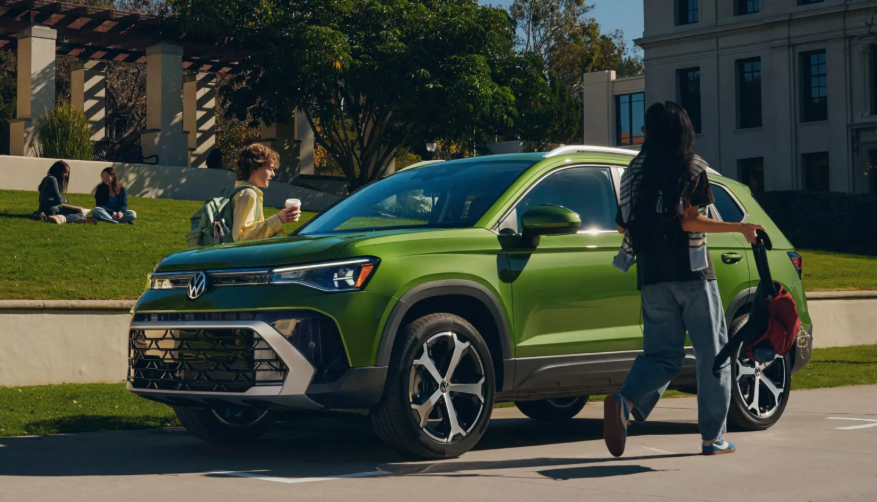
Volkswagen of Daphne Is the 2027 Taos Sport Right for You? A Quick Trim Breakdown By Pinnacle Advertising Editorial Team The 2027 Volkswagen Taos Sport sits between the S and SE, giving buyers a styling-focused option with a starting MSRP of $27,400. It costs $900 more than the S and $1,890 less than the SE before destination and other applicable charges. Choose it if its appearance is worth the upgrade to you; compare the SE if cabin convenience features matter more. Compare the Taos Sport design S vs Sport vs SE Cabin comparison Powertrain and 4MOTION Eastern Shore use cases Before your visit Key takeaways FAQs Use the comparison below to narrow the choice in stages: understand the Sport's design, compare the nearby trims, then evaluate the cabin and drivetrain around your own driving. You do not need to prefer the most expensive version to make a considered choice. For some households, the useful result will be confirming that the S already covers the essentials. For others, seeing what changes inside the SE will explain why it deserves a test drive alongside the Sport. What is the Taos Sport? The Taos Sport is an equipment version of Volkswagen's compact SUV. Its distinguishing features emphasize exterior detailing and seat design. What Makes the 2027 Taos Sport Different? The 2027 Taos Sport combines 18-inch black alloy wheels with a dark grille, gunmetal bumper detailing, and gloss-black mirror caps and spoiler. Black and gray cloth upholstery with yellow stitching carries the theme into the cabin. Those details give buyers a coordinated appearance without requiring a move to the SE Black. Look at the seats as well as the exterior when comparing vehicles. Photos can help you narrow your preference, but sitting in the cabin is a better way to judge whether you like the upholstery and overall presentation. Take a moment to compare both versions in similar lighting rather than deciding from different promotional photographs. Judge the Whole Vehicle, Not One Detail A wheel design can look appealing in a close-up photograph while making less difference to you when you see the entire vehicle. Walk around the Sport, then do the same with the S. Look from the front, the side, and the rear. Decide whether the combination feels noticeably different to you rather than trying to assign a dollar value to every individual piece of trim. Body color belongs in that comparison too. Ask to see the color you are considering in person when possible. A photograph taken in shade can create a different impression from a vehicle parked in direct sunlight. If your preferred color is unavailable to view, use the photographs to narrow your options and reserve the final judgment until you can see a suitable example. It also helps to identify what you would change about the S. If the honest answer is only that you prefer the Sport's wheels and detailing, the upgrade has a clear purpose. If you are hoping it will also transform the way the vehicle accelerates or add a particular convenience feature, put that expectation on a separate checklist. Styling photographs cannot establish either one. Taos S vs Sport vs SE: Where Should You Spend? Volkswagen lists these starting prices for the three versions closest to this decision. Compare the same drivetrain and review the complete equipment list on each vehicle before comparing final quotes. 2027 Taos starting MSRPs and selected trim highlights Trim Starting MSRP Selected highlights Start here if... S $26,500 Turbo engine, IQ.DRIVE, VW Digital Cockpit You want the lowest starting price. Sport $27,400 Black wheels, dark exterior details, yellow seat stitching The appearance upgrade is your priority. SE $29,290 Dual-zone Climatronic, CloudTex and cloth seats, front and rear Park Distance Control Cabin convenience and parking assistance matter more. Starting MSRPs exclude destination, taxes, title, options, and other applicable charges. Selected highlights are not complete equipment lists. Actual vehicle pricing varies. When the S Is Enough Start with the least expensive version that meets your needs. Make a short list of features you would genuinely miss, then check whether the S already satisfies it. If you like its appearance and the equipment works for your routine, there is no need to move up simply because another version sits above it. When the Sport Is Worth the Difference The Sport is worth considering when its design is something you actively prefer. Ask yourself whether you would still choose it after seeing the S beside it. That is a more useful test than treating every additional feature as automatically worth paying for. When to Compare the SE If you and a passenger prefer different cabin temperatures, try the SE's separate climate settings. If parking support is important, ask for a demonstration of its parking sensors. Testing those functions makes it easier to decide whether they deserve more of your budget than exterior details. For a 2027 Taos buyer deciding between Sport and SE, the strongest comparison is appearance versus the convenience features the household will actually use. Choose Sport when its design is the reason to upgrade; compare SE when its cabin and parking equipment solves a recurring need. If neither difference matters much, keep the S on your shortlist. Compare the Cabin Around Your Actual Routine Equipment lists are easiest to interpret when you connect each item to a task. Before looking at another trim, describe one normal weekday: who drives, who rides along, what comes with you, and where you park. That gives the comparison a purpose. A feature that solves an everyday inconvenience deserves closer attention than one that sounds attractive but has no clear role in your routine. Start With the Driving Position Adjust the seat and steering wheel before judging the cabin. Settle into the position you would use for a longer trip, then check whether you can comfortably see the displays and reach the controls you expect to use. Spend a few minutes there instead of moving immediately to the next vehicle. A comfortable first impression is useful, but it should survive more than a quick sit. If two people will share the Taos, have both make their own adjustments. Take turns moving between your preferred positions and notice how easy the process feels. Do not assume the other driver values the same things. One may care most about the seating surface, while the other may place greater value on control placement or the view from the driver's seat. Try the Climate Controls Together To evaluate the SE's dual-zone setup, sit in the front seats with the person who usually travels beside you. Set different preferred temperatures and try the controls. The question is whether separate settings address something that actually happens in your car. If you normally agree on a cabin setting, this feature may have less influence on your decision than it would for another household. Also check how you make an adjustment while seated normally. Locate the settings before the drive, and ask questions while parked. You do not need to master every menu during a dealership visit. You do need enough familiarity to decide whether the arrangement feels clear and comfortable to use, especially if you are changing from a vehicle with a very different dashboard. Include Rear Passengers and Everyday Cargo If someone regularly rides in the back, let that person take part in the comparison. Set the front seat for the usual driver first, then check the space behind it. Otherwise, an artificially forward driving position can give you an unhelpful impression of the room your passenger will actually have. Include the person and seating position that reflect your normal use. Try the items that are awkward in your current vehicle. That might be a folded stroller, a work bag that needs to stay upright, or the luggage you use for regular weekend travel. Check the opening and loading process as well as whether the items fit. A successful test is one you can repeat comfortably, rather than a carefully arranged setup you would not want to recreate every morning. Demonstrate Parking Features Before Assigning Value Ask how the SE's Park Distance Control communicates with the driver and have the operation explained in an appropriate demonstration. Consider whether that type of assistance addresses your parking routine. Someone using a tight garage may give it a different priority from a shopper who usually parks in an open driveway. Either preference can be reasonable; the value depends on the task. Does the Sport Have More Power? No. The S, Sport, and SE share a 174-hp, 1.5-liter turbocharged engine and an eight-speed automatic transmission. Moving between these versions does not buy a higher horsepower rating. During a test drive, focus on the driving position, pedal response, visibility, and how the transmission feels at the speeds you normally use. For a Daphne-to-Mobile commute, ask for a route that lets you evaluate more than a short loop around the dealership. If you often travel with passengers, check their seating comfort as part of the same visit. Choose the Drivetrain Separately The Sport is available with front-wheel drive or 4MOTION all-wheel drive. Its listed starting MSRP is $29,100 with 4MOTION, compared with $27,400 for front-wheel drive. The listed EPA combined estimates are 28 and 30 mpg, respectively; actual mileage varies. Keep the drivetrain consistent when comparing trims so that you know what each price difference represents. You can also review the Volkswagen 4MOTION lineup if all-wheel drive is part of your shopping list. Understand the Driver-Assistance Limitations IQ.DRIVE is standard on the 2027 Taos. It provides driver assistance, and the driver must remain attentive and in control. Volkswagen identifies heavy rain, unclear lane markings, and blocked sensors among conditions that can limit system operation. Ask for a demonstration of the controls and alerts before using the systems yourself. On a Bayway commute, changing weather and road markings make understanding those limitations more useful than simply recognizing a feature name. Three Ways to Apply the Comparison on the Eastern Shore The following are shopping examples, not claims about what local customers usually buy. Use the example closest to your routine to decide what you need to experience during a visit. You may recognize parts of more than one scenario, particularly if the Taos will serve as both a commuter vehicle and the household's weekend transportation. A Regular Daphne-to-Mobile Commute Suppose most of your driving time is spent traveling to work and back, with occasional passengers and relatively little cargo. Your comparison should give you time to judge the seat, visibility, control layout, and driving experience over a representative route. Looking at a vehicle in a parking space will not answer those questions as well as driving it. Afterward, write down what you actually noticed. Were the controls easy to locate? Did you find a comfortable seating position? Was there anything you wanted to try again? Those observations help keep the trim decision connected to the time you will spend inside the car. They also give you specific questions to revisit rather than a vague impression that one version seemed nicer. Local Errands With Frequent Passengers Imagine a week built around appointments, shopping, and repeated short trips along US-98. Start with entry, exit, seating, and the objects that move in and out of the car with you. Have a frequent passenger join the visit if possible. Ask that person what feels comfortable and what needs another look instead of making every decision from the driver's seat. Then revisit the features that initially attracted you to a higher trim. If they make those repeated tasks easier, you have a practical reason to consider them. If the difference is mostly visual, decide whether that preference still carries enough weight. The point is to give both appearance and daily use an honest place in the decision. One Vehicle for Weekdays and Weekend Trips If the Taos will also handle travel toward Gulf Shores or visits farther from home, evaluate the cabin with your usual passengers and travel bags in mind. Include the items you carry regularly before worrying about an unusual once-a-year load. A trim upgrade should not distract you from checking whether the vehicle itself suits the household's passenger and cargo needs. Write two short lists: what needs to work on an ordinary Tuesday and what needs to work on a typical weekend away. A vehicle that handles both lists comfortably is a stronger candidate than one chosen around a single impressive feature. If the basic fit is wrong, comparing another trim will not resolve every concern. Make the Comparison Useful Before You Visit Bring a must-have list. Separate essential equipment from features you would enjoy but can comfortably skip. Check the exact vehicle. Read its window sticker rather than assuming every advertised feature applies to every trim. Try your normal setup. Adjust the seat, check rear passenger space, and bring a frequently used stroller or bag if fit is important. Compare complete quotes. Keep drivetrain, options, and included charges clear so the lower headline number does not decide the comparison by itself. Build a Comparison You Can Review at Home For each candidate, record the model year, trim, drivetrain, identifying vehicle information, options, and quoted price. Add two personal notes: the feature you most want and the compromise you would be accepting. This keeps the review tied to actual vehicles. It also prevents a photograph or a remembered starting price from standing in for a configuration you have never compared directly. Keep the notes short enough to read side by side. For example, one vehicle might be your preferred appearance choice, while another offers the cabin arrangement you liked more during the demonstration. Neither observation needs to become a universal judgment about the trim. You are documenting why each candidate belongs on your own shortlist. Separate Vehicle Price From the Payment Discussion Request a written breakdown that identifies the vehicle, included equipment, and applicable charges. If financing or leasing enters the conversation, review the proposed terms separately rather than letting one monthly figure replace the equipment comparison. This guide does not establish a payment, approval, or offer for a particular shopper. Those details require a current proposal based on the transaction being considered. When two proposals differ, ask which differences come from the vehicle and which come from the transaction terms. If you are including a trade, make sure you can identify that part of the proposal too. Clear questions are more useful than trying to infer what a headline number includes. Keep a copy of the breakdown so you can revisit it without relying on memory. Check the Details That Could Change Your Choice Before making the final selection, return to the one or two features that matter most to you and confirm them on the vehicle being considered. Read the window sticker and ask for clarification wherever the equipment description is unclear. A broad model advertisement can help you discover a feature; the individual vehicle's equipment is what determines whether that feature is part of your purchase. Then ask yourself what, if anything, you still need to experience. Perhaps the other driver has not sat in the car, your regular cargo has not been tried, or you have only seen one of the two interiors. Resolve that specific gap rather than restarting the entire comparison. A focused second look can make the final decision easier to explain and feel comfortable with. Ask Each Driver to Make an Independent Shortlist If the purchase is a shared decision, have each driver name a first choice before discussing it together. Include a reason and one unresolved question. This helps reveal whether you are choosing between different priorities or simply working from different information. A preference based on upholstery and a preference based on parking equipment can both be valid, but they need a more specific conversation than agreeing that one vehicle has more features. Compare those notes after the demonstrations and test drive. If your first choices differ, try to identify the smallest additional check that would help: another look at the interior, a clearer equipment explanation, or time in the passenger seat. Keep the discussion focused on how you will share the car. You are looking for a choice both drivers understand, including the tradeoffs each person is accepting. Key Takeaways Use your must-have list to decide whether an upgrade earns its place in the budget. The Sport emphasizes a coordinated appearance. Compare the SE when cabin convenience and parking equipment address daily needs. Trim choice and drivetrain choice deserve separate comparisons. 2027 Taos Sport FAQs Is 4MOTION standard on the Taos Sport? No. The Sport offers both front-wheel-drive and all-wheel-drive configurations. Is Sport the same as SE Black? No. They are separate trims. If both appeal to you visually, compare their full equipment lists and total prices rather than choosing by the dark exterior details alone. Can I order a Sport based on the starting MSRP? A starting MSRP is a reference for a base configuration. Request a quote for the drivetrain, options, and vehicle you want, including all applicable charges. Compare Your Taos Options in Daphne Bring your must-have list to Volkswagen of Daphne, and we can help you compare vehicle equipment and current availability. Start with the versions that meet your needs, then test whether the upgrade makes a difference you value. View Current Volkswagen Inventory Schedule a Test Drive Related Volkswagen Insights & Updates 2026 model overview 2026 Taos for Daily Driving Considering an earlier model year? Review the 2026 guide separately from this 2027 comparison. Read More → 2026 model research 2026 Taos Compact SUV Another reference for shoppers comparing the previous model year. Read More → 2026 SUV selection Which Volkswagen SUV Fits Your Needs? Compare vehicle sizes if you are still deciding how much SUV your household needs. Read More →