Blog / New VW Cars

2026 Volkswagen Golf GTI vs Jetta GLI: Performance Compared Near Daphne

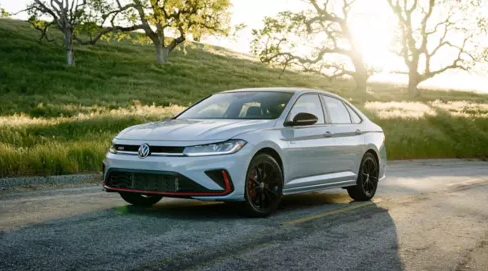
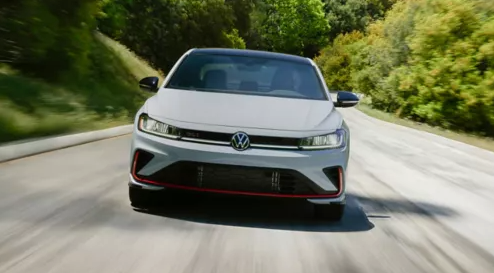
2026 vw jetta gli

Golf GTI vs Jetta GLI: Hatchback vs Sedan Performance

If you are deciding between the 2026 Volkswagen Golf GTI and the 2026 Jetta GLI, we usually recommend the Golf GTI for buyers who want the sharper hot-hatch personality and more flexible hatchback practicality, while the Jetta GLI makes the stronger case for drivers who want a sport sedan with everyday comfort, a more understated look, and strong value in the same performance conversation. The 2026 Golf GTI delivers 241 horsepower and stays true to the compact performance-hatch formula, while the Jetta GLI carries Volkswagen’s sport-sedan approach into the same daily-driver performance space. Around Daphne, that decision usually comes down to how you use the car during normal life rather than how you imagine using it on the perfect road. Volkswagen of Daphne helps shoppers compare both because this is not just a spec-sheet decision. It is a lifestyle decision between hatchback flexibility and sedan character. In this guide, we will break down performance feel, body-style practicality, buyer fit, local driving logic, and the reasons we recommend one model over the other depending on the driver.

The 2026 Volkswagen Golf GTI and 2026 Jetta GLI are Volkswagen performance-focused compact cars built around turbocharged power and everyday usability. For drivers in Daphne, Fairhope, Spanish Fort, Mobile, Foley, and Gulf Shores, they offer two different paths to daily performance: hatchback flexibility or sport-sedan practicality.
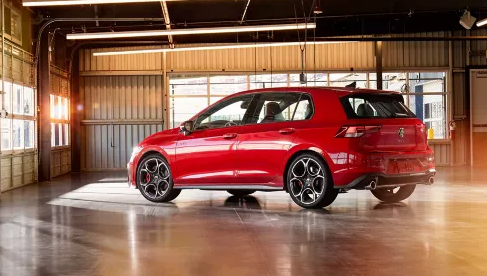
2026 Volkswagen Golf GTI vs Jetta GLI near Daphne, AL


Engine Power, Driving Feel, and Everyday Performance Differences

Key Takeaway: We recommend the Golf GTI for drivers who want the more playful and iconic performance character, while the Jetta GLI makes the stronger case for buyers who want a sport sedan feel with everyday comfort and a more understated attitude.

Golf GTI Power and Hot-Hatch Personality

The Golf GTI sets the tone in this comparison because it feels like the more enthusiast-shaped answer from the first drive. The 2026 Golf GTI produces 241 horsepower, and that power, combined with the hatchback shape and lighter-feeling personality, gives the GTI a sharper and more playful performance character than the GLI. We recommend it for buyers who want daily fun to feel obvious every time they drive, not something they have to search for.

For a Fairhope enthusiast who wants the more iconic Volkswagen performance choice, the GTI is usually the easy answer. For a Daphne commuter who still wants weekday practicality but does not mind the car feeling a little more expressive and enthusiast-oriented, the GTI also makes the stronger case. Based on what we hear from shoppers comparing both, the GTI wins when the buyer wants the car to feel special even during short everyday trips.

Performance Point2026 Volkswagen Golf GTIWhy It MattersBest For
Horsepower241 hpGives the GTI real hot-hatch credibility and strong daily responseEnthusiasts and commuters
Body styleHatchbackAdds flexibility without losing performance identityBuyers who want fun and utility
Driving characterSharper, more playful hot-hatch feelMakes the car feel more eager in normal useDrivers who want personality
Ownership vibeMore iconic enthusiast choiceHelps justify the GTI for buyers who care about identityVW performance loyalists
Practicality storyHatchback versatility supports daily lifeMakes the performance easier to live withOne-car performance shoppers
Ideal Use CaseBuyer who wants the classic VW hot-hatch formulaClarifies where GTI wins naturallyEastern Shore buyers wanting a fun daily driver

The 2026 Golf GTI is the better fit when the buyer wants the more expressive and enthusiast-oriented performance car in this comparison. We recommend it for local drivers who care about hot-hatch identity, hatchback cargo flexibility, and the feeling that the car is a little more playful every time it leaves the driveway.

A few reasons the GTI stands out:

  • The hatchback layout adds flexibility without watering down the performance story
  • The car feels naturally fun in everyday driving, not only on the right road
  • GTI identity still matters to buyers who want the more iconic VW performance answer
  • It works especially well when one car has to cover commuting and fun driving together

Browse New Volkswagen Performance Models
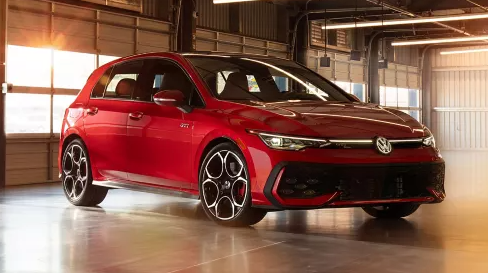
Volkswagen Golf GTI performance near Daphne, AL


Jetta GLI Performance, Sport-Sedan Value, and Daily Comfort

The Jetta GLI takes a different path, and that is exactly why it deserves real attention in this comparison. We recommend the GLI for buyers who want strong daily performance without the more extroverted hot-hatch personality of the GTI. It feels like a sport sedan first, which makes it easier to recommend to drivers who want their performance car to feel cleaner, calmer, and a little more understated in daily life.

For a Mobile professional who wants a sporty daily driver but prefers a sedan silhouette, the GLI can be the smarter fit. For a Foley first-time performance buyer who wants value and comfort to matter just as much as fun, the GLI also has real appeal. It does not try to out-GTI the GTI. Instead, it offers a more restrained performance identity that many buyers actually prefer once they imagine the car in weekday use.

The GLI is also where value enters the conversation more strongly. It often looks like the more mature and less obvious performance choice, and that can be a real positive depending on the buyer. For shoppers who want speed and sport without wanting a hatchback, the GLI holds its ground very well.

See Our New Volkswagen Cars

Hatchback vs Sedan Practicality and Why It Matters More Than Buyers Expect

This body-style difference drives the whole comparison. We recommend the GTI when cargo adaptability and flexible everyday usefulness matter more than many buyers admit at first. We recommend the GLI when trunk structure, traditional sedan shape, and a cleaner four-door look matter more to the way the buyer wants to live with the car.

For a Spanish Fort buyer comparing both on paper, this is often the turning point. The GTI’s hatchback layout simply handles more awkward daily-use cargo situations better, whether that means weekend bags, gear, smaller furniture runs, or a mixed routine that changes often. The GLI still works very well for normal trunk-based daily life, but the hatchback has an edge when flexibility becomes part of the ownership story.

That is why we do not treat this as a minor detail. For many buyers, hatchback versus sedan is the real answer hidden inside the performance comparison.

Which Volkswagen Performance Car Should You Choose in Daphne

Key Takeaway: We recommend the Golf GTI for buyers who want the sharper enthusiast experience and more adaptable hatchback shape, while the Jetta GLI is the better choice for drivers who want sport-sedan style, strong value, and a more understated daily-performance identity.

GTI vs GLI on Specs, Price Position, Practicality, and Buyer Fit

Once you move beyond general impressions, the choice becomes much easier. The GTI is the more obvious enthusiast car, and the GLI is the smarter answer for buyers who want performance with a quieter kind of personality. We recommend the GTI more often when a shopper wants the best overall blend of playfulness and practicality, but we also think the GLI wins clearly for the right person.

Comparison Point2026 Volkswagen Golf GTI2026 Volkswagen Jetta GLIWhy It MattersBest For
Horsepower241 hpSport-sedan performance focusGTI has the stronger headline power story in this matchupBuyers prioritizing performance identity
Body styleHatchbackSedanPracticality and ownership feel change dramatically hereCargo-flex buyers vs sedan loyalists
Daily personalityMore playful and enthusiast-orientedMore understated and matureHelps match the car to personal styleHot-hatch shoppers vs sport-sedan buyers
Value positionPremium-feeling hot hatchOften stronger value perceptionThe GLI can make sense for more price-sensitive performance buyersBuyers balancing fun and budget
PracticalityBetter for flexible cargo useBetter for traditional trunk-based useReal life often decides the winner hereCommuters and mixed-use drivers
Overall recommendationBest for buyers who want the fullest hot-hatch packageBest for buyers who want a sport sedan with strong valueClarifies where each car wins naturallyEastern Shore comparison shoppers
Ideal Use CaseFun daily driver with hatchback utilityUnderstated sedan with real performance flavorHelps buyers decide by routine, not just imageGTI and GLI cross-shoppers

The key difference between the 2026 Golf GTI and 2026 Jetta GLI is not only performance character. It is ownership style. We recommend the GTI for Daphne-area drivers who want the more complete enthusiast-and-utility mix, while the GLI is the smarter answer for buyers who want daily performance in a sedan shape with a calmer and more value-focused feel.

Compare Volkswagen Models and Trims

Which Driver Should Buy the GTI and Which Driver Should Buy the GLI

This is where the right answer depends entirely on the buyer. For a Fairhope enthusiast who wants the more iconic performance Volkswagen and expects to use the hatchback flexibility often, we recommend the GTI. For a Mobile professional who wants a sportier commute but still prefers a sedan look and a less obvious performance identity, we recommend the GLI. For a Foley first-time performance buyer deciding on value, we recommend the GLI if budget and everyday comfort carry more weight than hot-hatch personality.

For a Daphne commuter who wants one fun car to handle local driving, Mobile work trips, and weekend use, we usually recommend thinking about your cargo habits honestly before anything else. If you know the hatchback will make daily life easier, the GTI is the better answer. If you know you prefer a sedan and do not need the GTI’s added adaptability, the GLI becomes a very smart pick.

Our usual buyer-fit advice looks like this:

  • If you want the more iconic and playful performance choice, we recommend the GTI
  • If you want the more understated performance daily driver, we recommend the GLI
  • If hatchback flexibility matters often, we recommend the GTI
  • If value and sedan comfort matter more, we recommend the GLI

What most buyers do not realize is that this comparison is usually settled by lifestyle before it is settled by horsepower. The right body style often answers the question faster than the spec sheet does.

Value Your Trade for a GTI or GLI

If you are deciding between the Golf GTI and Jetta GLI, the best next step is to drive both and feel how different the ownership personalities really are. Our team can help you compare the hatchback GTI and sedan GLI side by side, review current inventory, and walk you through the practical differences that matter once the car becomes part of your everyday routine. We can also help you request a quote, evaluate your trade, and set up a test drive through our website so you can move from “which one sounds better” to “which one fits me better.” Buyers from Daphne, Fairhope, and Mobile often come in expecting the decision to be obvious, then realize that body style and day-to-day use shape the outcome more than they expected. Call us at 251-374-0664 or use our online Schedule Test Drive page and we will help you compare both the right way.

Book a GTI or GLI Test Drive


Why This GTI vs GLI Choice Matters on the Eastern Shore

Key Takeaway: We recommend thinking about local routes, parking, commuting, and weekend flexibility on the Eastern Shore, because those daily realities often make the GTI or GLI decision much clearer than broad performance talk does.

Mobile Commutes, Fairhope Errands, Parking Ease, and Weekend Driving Around Daphne

The Eastern Shore is exactly the kind of place where this comparison becomes more practical than theoretical. A lot of buyers here need their performance car to handle weekday commuting toward Mobile, errands around Fairhope and Daphne, easier parking in tighter spots, and the occasional weekend drive or short trip. We recommend the GTI when the buyer wants all of that plus more adaptable cargo flexibility. We recommend the GLI when the buyer wants the same everyday performance logic in a more traditional sedan form.

For a Daphne commuter, the GTI makes sense when one car has to do more kinds of jobs. For a Fairhope professional, the GLI often makes sense when style, value, and sedan comfort matter more than hatchback utility. For a Gulf Shores weekend driver, the GTI’s cargo adaptability becomes more valuable if the trip includes bags and gear that a sedan trunk handles less gracefully.

Local Driver ProfileLocal NeedBetter FitWhy It FitsBest For
Daphne commuterFun daily drive with flexible useGTIHatchback practicality plus strong performance feelMixed-use daily drivers
Fairhope professionalSport sedan character with everyday polishGLICleaner sedan identity and calmer daily presenceSedan-preferring commuters
Mobile work-trip driverPerformance with comfort over regular milesGLI or GTI depending cargo needsCommute pattern changes the winnerFrequent commuters
Spanish Fort enthusiastMore iconic and playful VW performance choiceGTIStronger hot-hatch personalityEnthusiast buyers
Foley first-time performance shopperSmarter value play in a sporty packageGLIBetter fit when budget matters moreEntry performance buyers
Gulf Shores weekend driverMore room for travel bags and gearGTIHatch layout supports lighter trip versatilityWeekend-use buyers

Based on Volkswagen official website.

Based on our experience at Volkswagen of Daphne, the GTI vs GLI decision matters here because Eastern Shore buyers tend to use their performance cars as real daily transportation, not occasional toys. We recommend matching the car to your local routine first, because around Daphne, Fairhope, Spanish Fort, Mobile, Foley, and Gulf Shores that is usually what reveals the better answer.

If you live in Fairhope, Spanish Fort, Mobile, Foley, or Gulf Shores and you are trying to decide between the Golf GTI and Jetta GLI, we would love to help you compare both in person. Our sales team can walk you through available inventory, explain where the GTI and GLI separate in daily use, and help you decide whether hatchback practicality or sedan character fits your budget and routine more naturally. If financing is part of the conversation, our website also makes it easy to begin with Get Pre-approved before you visit. We are proud to serve drivers across the Eastern Shore, and our Partner Program reflects the kind of long-term local relationship many buyers want from their dealership. Stop by 29816 Frederick Blvd, Daphne, AL 36526 or start online and let us help you narrow this comparison the right way.

Get Pre-Approved for Your VW Performance Car

Family and Lifestyle Fit: When the GTI’s Hatchback Layout Beats the GLI’s Sedan Shape

Key Takeaway: We recommend the GTI over the GLI whenever your routine includes enough awkward or flexible cargo situations that the hatchback shape will clearly make ownership easier.

This is the part many buyers underestimate at first. The GTI does not only feel different to drive. It lives differently too. For a Gulf Shores weekend driver, a Daphne couple, or a buyer who wants one fun car that can still handle bags, errands, and changing daily-use needs, the hatchback often wins more ownership points than expected. That is why we recommend the GTI so strongly when lifestyle flexibility matters as much as the performance itself.

For buyers who know they will use the extra adaptability often, this is usually the clearest place where the GTI pulls ahead.

Contrarian Insight: Why the Jetta GLI Is Better Than Most Buyers Expect for Daily Performance

Key Takeaway: We recommend the Jetta GLI more often than some enthusiasts expect because it offers a strong daily-performance formula for buyers who want real fun without committing to the hatchback identity of the GTI.

The GLI can get overshadowed in a comparison like this because the GTI has the stronger enthusiast reputation, but that does not mean the GLI is the weaker daily choice for every driver. In some cases, it is the smarter one. If you want a sport sedan look, a more traditional shape, and a performance car that feels a little quieter in personality while still staying engaging, the GLI can be the better match.

Our simple GLI value logic looks like this:

  • The GLI is a great fit for buyers who want performance without hatchback styling
  • It makes sense when value carries more weight than enthusiast identity
  • It works especially well for commuters who still want a sporty daily driver
  • It is stronger than many shoppers expect once they compare it in person instead of by reputation alone

Ask Us About GTI vs GLI

Key Takeaways

  • The Golf GTI is the more playful and iconic performance choice in this comparison.
  • The Jetta GLI is the more understated sport-sedan option with strong daily value.
  • We recommend the GTI when hatchback flexibility matters often.
  • We recommend the GLI when sedan shape, comfort, and value matter more.
  • For most local buyers, body style and daily routine decide this matchup faster than specs alone.

2026 Golf GTI vs Jetta GLI FAQ for Daphne Drivers

Is the 2026 Golf GTI faster than the Jetta GLI?

The 2026 Golf GTI has the clearer headline performance edge in this comparison, including 241 horsepower, and it usually feels more obviously playful from behind the wheel. We recommend looking beyond “faster” alone, though, because the real buying decision is often whether you want the GTI’s hot-hatch character or the GLI’s sport-sedan balance in everyday use.

Browse New Volkswagen Inventory

Which is better for daily commuting, the GTI or GLI?

We recommend the GTI for commuters who want more flexible utility and a more expressive driving feel. We recommend the GLI for commuters who prefer a traditional sedan shape and a more understated performance personality. For many drivers around Daphne and Mobile, the better daily commuter is simply the one whose body style fits the rest of life better.

Should I buy the hatchback GTI or the sedan GLI?

We recommend the GTI when cargo adaptability, hatchback versatility, and classic VW hot-hatch identity matter most. We recommend the GLI when you know you prefer a sedan and want a sporty daily driver that still feels mature and value-conscious. This is usually a lifestyle decision first and a spec decision second.

Which Volkswagen performance car gives better value for the money?

The GLI often makes the stronger value case for buyers who do not specifically want the GTI’s hatchback shape and enthusiast identity. The GTI makes the stronger value case when its added personality and flexibility will actually be used often. We recommend deciding value by fit, not by reputation alone.
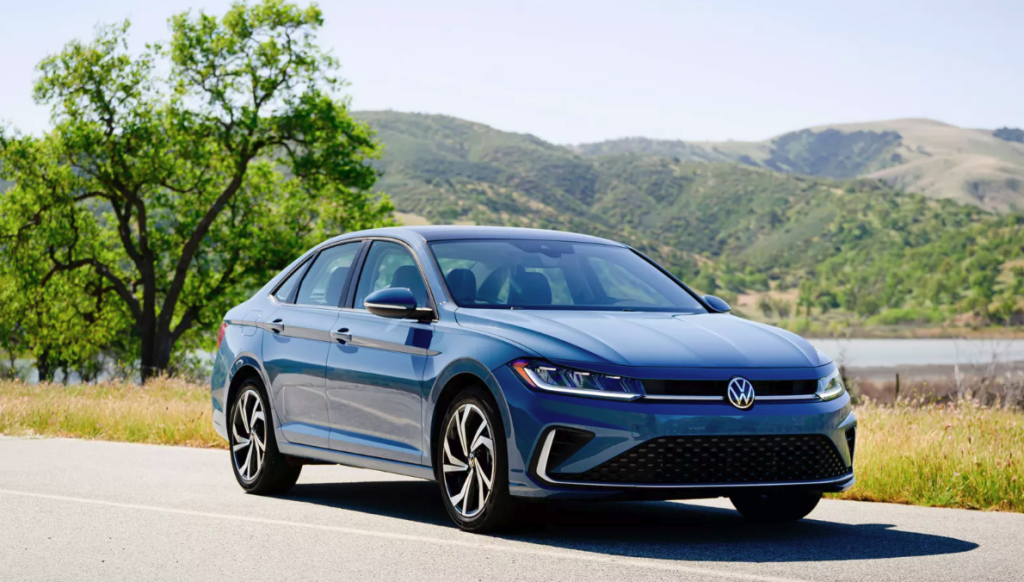
Volkswagen Jetta GLI vs Golf GTI near Daphne, AL


We think the 2026 Golf GTI and 2026 Jetta GLI both make strong cases, but the right answer depends on the way you actually drive and live around Daphne and the Eastern Shore. When you visit us at 29816 Frederick Blvd, Daphne, AL 36526, we can help you compare the GTI and GLI in person, review inventory, discuss financing, and decide whether hatchback flexibility or sedan character fits your routine more naturally. We are proud to serve drivers from Daphne, Fairhope, Spanish Fort, Mobile, Foley, and Gulf Shores, and our Partner Program reflects the local relationships we work to build with every shopper. Call us at 251-374-0664, use our website at https://www.vwofdaphne.com/, or book a drive online. We are here to help you choose the Volkswagen performance car that makes the most sense in real life.
Posted in:

Related Posts

2027 Volkswagen Jetta: What's New for Daphne Drivers?

2027 Volkswagen Jetta: What's New for Daphne Drivers?

Volkswagen of Daphne What's Changed, What Carries Over, and Which Updates Matter By Pinnacle Advertising Editorial Team The 2027 Volkswagen Jetta adds useful standard equipment to the S and Sport, including upgraded infotainment, six speakers, keyless access, and push-button start. The regular Jetta retains its 158-horsepower turbocharged engine and eight-speed automatic, while the performance-oriented GLI uses a seven-speed DSG automatic for 2027. For shoppers comparing model years, the biggest questions are whether the added equipment changes the trim they need and whether a manual transmission is essential. Those are different decisions. A commuter interested in an S may get more of the equipment they wanted without choosing a higher trim. Someone comparing SE and SEL should spend more time evaluating their existing comfort differences. A GLI shopper needs to consider the transmission change before comparing colors or convenience features. Start with what you want the new car to improve about your current drive. Then compare the actual vehicle configurations, including any 2026 alternatives, rather than assuming the newer model year automatically deserves a larger share of your budget. 2027 Jetta Guide What's new for 2027 How the updates affect trim choice 2026 vs 2027 GLI changes and DSG Commuting and fuel economy Technology and everyday use Before choosing a vehicle FAQs Jetta vs Jetta GLI The Volkswagen Jetta is a front-wheel-drive compact sedan offered in S, Sport, SE, and SEL trims. The Jetta GLI is a separate performance-oriented version with a larger engine, a different transmission, and additional chassis equipment. What's New on the 2027 Volkswagen Jetta? The most relevant updates reach the two lower regular Jetta trims. Volkswagen adds the Composition Media infotainment system to S and Sport, bringing satellite-radio capability, voice control, and a six-speaker audio system. Keyless access and push-button start also become standard on those versions. An enhanced rear seatbelt reminder applies across the lineup. The practical consequence is that a buyer returning to the Jetta after researching an earlier year should revisit the S and Sport before moving directly to SE. A feature that previously influenced the upgrade decision may now be included farther down the lineup. That does not erase the differences among trims, but it changes which differences deserve your attention. 2027 Jetta updates and their practical significance Area 2027 information Why it matters S and Sport infotainment Composition Media, voice control, satellite-radio capability, six speakers Recheck whether a higher trim is necessary for your connectivity priorities. S and Sport access Keyless access and push-button start These convenience features no longer require moving above Sport. Seatbelt reminder Enhanced rear seatbelt reminder across the lineup Familiarize yourself with its operation in the owner's literature. Regular Jetta powertrain 158 hp, eight-speed automatic The model-year update is primarily an equipment decision. GLI transmission Seven-speed DSG automatic Manual-transmission shoppers need a different model-year search. New Equipment Does Not Mean Every Service Is Included Forever Separate the hardware in the car from any subscription or trial that works through it. A radio capable of receiving a service does not establish how long a subscription lasts. Likewise, the availability of additional voice functions does not mean every connected feature is permanently included in the purchase price. During a demonstration, ask which functions work directly through the vehicle, which need a compatible phone, and which require enrollment or payment. That makes the infotainment improvement easier to evaluate without assuming that every feature shown in an advertisement will be available under the same terms. How Do the Updates Affect S, Sport, SE, and SEL? All four regular trims use the same basic powertrain, so buying a higher regular Jetta trim is not a route to a larger engine. The meaningful differences involve appearance, seating, cabin convenience, and displays. Choose among those differences after identifying the features that would change your own use of the car. The 2027 Jetta S and Sport now include keyless access and the upgraded infotainment system, while SE adds conveniences such as remote start, wireless charging, and power adjustment for the driver's seat. SEL adds features including Digital Cockpit Pro, navigation, and ventilated front seats. The useful comparison is which additional functions you will use, rather than treating every higher trim as a necessary upgrade. Jetta S: Reconsider the Starting Point The S starts at $23,995 MSRP. Volkswagen lists a $1,325 destination charge, bringing the base vehicle and destination total to $25,320 before taxes, title, options, dealer charges, and other applicable costs. This is a manufacturer-price calculation, not a quote for a particular car. For a shopper focused on essential sedan transportation, the equipment changes make the starting trim worth a fresh look. Check the seating position, display layout, phone connection, and normal cargo needs before deciding something is missing. If the S covers your actual requirements, spending more becomes a preference rather than an obligation. Jetta Sport: Design and Chassis Details The Sport combines distinct exterior and interior details with the XDS Cross Differential System. Its equipment includes 17-inch alloy wheels, a grille light bar, embossed cloth upholstery, a black headliner, and stainless-steel pedal caps. The standard engine remains the same as the other regular Jetta trims. That distinction matters if the Sport name makes you expect GLI performance. Compare the appearance in person, but judge acceleration and transmission behavior during the drive. If a different powertrain is the main reason you are shopping, include the GLI in the conversation instead of assuming the Sport provides that change. Jetta SE: Concentrate on Daily Convenience The SE is worth comparing when seat adjustment, remote start, wireless charging, and a panoramic sunroof fit your priorities. Heated front seats are also included. These are different benefits, so avoid treating the entire list as equally important simply because the items arrive together in one trim. If two people share the car, have both adjust the driver's seat. If phone integration is the deciding factor, try your own compatible device. The strongest reason to choose SE is a group of conveniences that you recognize as useful after a demonstration, not the assumption that the middle trim is automatically the best value. Jetta SEL: Evaluate the Cabin Upgrades The SEL emphasizes cabin equipment with leather seating surfaces, the 10.25-inch Digital Cockpit Pro, navigation, premium audio, and ventilated front seats. It also includes a heated steering wheel and heated outboard rear seats. Compare the actual controls and seating experience rather than choosing from the feature names alone. Separate the instrument cluster from the center touchscreen when comparing displays. A larger driver display is not the same thing as a larger infotainment screen. Ask to see the information you would normally use, then decide whether the additional display flexibility matters enough to influence the purchase. Should You Choose a 2026 or 2027 Jetta? The model-year question is most useful when you compare equivalent vehicles. Put a 2026 S beside a 2027 S, or compare similarly equipped Sport models, before drawing a conclusion. Comparing a lower trim from one year with a higher trim from another can make equipment packaging look like a larger product change. For S and Sport shoppers, begin with the newly standard access and infotainment features. For SE and SEL shoppers, look more closely at the exact vehicle equipment and complete price. The regular Jetta's continuing engine and transmission mean a newer badge alone does not establish a different level of power. If You Already Own a Recent Jetta Write down what you want to improve before looking at the update list. Perhaps your current car lacks a convenience feature, the seat no longer suits your routine, or your passenger needs have changed. Those are concrete reasons to compare another vehicle. A new model year does not require replacing a car that still serves its purpose. If the desired improvement is one of the additions to S or Sport, test it directly. If the goal is more performance, the regular lineup's equipment changes do not answer that need. This distinction helps you avoid replacing a vehicle for a difference that will have little effect on the way you use it. If You Are Comparing Remaining Earlier-Year Vehicles Use the individual window stickers to establish what each car includes. A model-year description cannot tell you which optional equipment is on a specific vehicle. Compare the drivetrain, trim, options, and complete written price together, and ask about any meaningful difference you cannot identify from the documents. Availability is a separate question. Review current Volkswagen vehicle listings and confirm the exact car before arranging a visit. Neither an earlier model year nor a newer one should be assumed available in your preferred trim, color, or configuration without checking. The 2027 Jetta GLI: More Than a Trim Upgrade The GLI Autobahn starts at $33,795 MSRP before destination and other applicable charges. Its turbocharged 2.0-liter engine produces 228 horsepower and 258 lb-ft of torque, compared with the regular Jetta's 158 horsepower and 184 lb-ft. Both send power to the front wheels, but their transmissions and chassis equipment differ. The GLI's seven-speed DSG is a dual-clutch automatic. There is no clutch pedal for the driver to operate. For 2027, the GLI no longer offers the manual transmission available in the previous model year. If shifting a manual is essential to your purchase, establish that requirement before spending time comparing the new GLI's convenience equipment. Why Sport and GLI Are Different Decisions The Sport retains the regular Jetta engine, while the GLI changes the engine, transmission, and chassis package. That makes the GLI a different kind of purchase decision from choosing cloth versus leather or adding a convenience feature. Start by deciding whether you want those driving-related differences, then consider whether the cabin also suits you. A test drive should include the situations you expect to encounter most often. Ask for an appropriate route with normal low-speed maneuvering and some higher-speed driving where conditions allow. Evaluate the transmission's response and the seat comfort rather than trying to reproduce an enthusiast review or judge the car from a single acceleration. What DCC and the Differential Add to the Comparison The GLI includes DCC adaptive damping and an electronically controlled front limited-slip differential called VAQ. DCC adjusts damping in response to driving conditions and the selected profile. VAQ manages the torque balance between the front wheels. These are separate systems with different functions, rather than two names for the same feature. Ask for the available driving profiles to be explained while parked, then compare their operation on a suitable route. The point is to decide whether the driving characteristics suit your preferences. The presence of additional hardware does not tell you in advance which setting you will enjoy or whether the GLI is the right commuter for your household. What the 2027 Jetta Means for an Eastern Shore Commute Volkswagen lists EPA estimates of 29 mpg city and 40 mpg highway for the regular Jetta. Combined ratings are 34 mpg for S and 33 mpg for Sport, SE, and SEL. The GLI is listed at 26 city, 35 highway, and 29 combined. Actual mileage varies with driving habits, vehicle condition, and operating circumstances. Use the figures to compare vehicles, not to promise the result of a particular route. A weekday built around local stops along US-98 gives the city and combined estimates more relevance than a headline highway number. A routine with substantial I-10 travel makes the highway estimate useful, but traffic and your driving still matter. Put a Small MPG Difference in Perspective For an illustrative 12,000 miles, dividing distance by 34 mpg gives about 353 gallons; dividing by 33 mpg gives about 364 gallons. The difference is roughly 11 gallons under those assumptions. This calculation is not a prediction of either car's actual consumption, and it does not include a fuel-price assumption. It helps explain why a one-mpg combined difference should be considered alongside equipment and purchase price. Estimate your own mileage before assigning a dollar value to fuel economy. If your annual distance is different, use that number instead of importing a generic commuter profile that does not resemble your week. Check Passenger and Trunk Fit The Jetta provides 14.1 cubic feet of trunk space and 37.4 inches of rear legroom, with a standard 60/40 split-folding rear seat. Those specifications provide a starting point, but your own bags, passengers, and seating position determine whether the layout works comfortably for your routine. Bring an awkward everyday item if cargo fit is important. Set the driver's seat first, then check the space behind it. If your household is moving from an SUV, pay particular attention to the trunk opening and loading process, rather than assuming a cargo-volume number describes the entire experience. Technology to Try Before You Decide The new infotainment equipment is most useful when it works with the devices and habits you already have. Connect a compatible phone, test the audio source you expect to use, and locate the functions you need during an ordinary journey. Make those checks while parked so the demonstration does not compete with driving. Ask what needs initial setup and which features depend on subscriptions or connectivity. If more than one person will drive, discuss how each would connect a device. A few minutes spent understanding those steps can answer a practical question that a long equipment list leaves open. IQ.DRIVE Still Requires an Attentive Driver IQ.DRIVE is standard across the Jetta lineup and includes features such as Travel Assist, Adaptive Cruise Control, Front Assist, and Lane Assist. These technologies provide assistance within their operating limits. They do not make the Jetta autonomous or remove the driver's responsibility to remain attentive and in control. Have the controls, indicators, and cancellation procedures explained before using the systems. Read the owner's information for operating conditions and limitations. On a Bayway commute, understanding what an alert means and when assistance may be unavailable is more valuable than merely recognizing the technology's name. Match the Demonstration to the Vehicle You Want When a demonstration uses a different trim, ask which features carry over to your candidate. An impressive display or seating feature on a showroom GLI does not establish that the same equipment is included on a Jetta S. Keep the vehicle's identity clear whenever you move between photographs, online listings, and cars on the lot. The same applies to an earlier-year example. It can help you assess basic seating or cargo needs, but it cannot demonstrate every 2027 equipment change. Return to the exact configuration for the features that decide your purchase. This is especially useful when the reason for choosing the newer model year is one specific addition rather than a broad change in vehicle size or performance. How to Make the Final Comparison Useful Choose a 2027 Jetta by separating model-year changes from trim differences. Compare S and Sport first if the newly standard equipment meets your priorities, then consider SE or SEL for the additional cabin features you will use. Treat the GLI as a separate powertrain and driving-experience choice, particularly if transmission preference is central to your decision. Name the improvement you want. Identify the inconvenience or limitation in your current car that the next vehicle should address. Compare equivalent configurations. Keep model year, trim, and optional equipment clear on each candidate. Demonstrate the deciding features. Try the phone connection, seating, displays, and controls that could change your choice. Request complete written figures. Review the actual vehicle price and applicable charges separately from any proposed payment. Keep a brief note on each car after the visit: one feature you valued, one compromise, and one unanswered question. That makes the comparison easier to revisit at home. It also gives another household driver a clearer picture than simply saying a particular trim felt better equipped. For ownership programs, review the documents that apply to the specific vehicle. Warranty coverage, scheduled maintenance, roadside assistance, and connected services are different benefits with their own limits. Ask which services are included and which costs remain yours, rather than treating a broad ownership-package name as a promise of unlimited coverage. Key Takeaways The main regular Jetta updates improve standard equipment on S and Sport. Regular trims retain the same engine, so higher trim selection is mainly about equipment. Compare actual 2026 and 2027 configurations rather than model-year labels alone. The GLI has a different powertrain and offers DSG rather than a manual for 2027. Use EPA ratings as comparison figures alongside the features and space your household needs. 2027 Volkswagen Jetta FAQs Is the 2027 Jetta an all-new redesign? No. The changes highlighted for 2027 concern equipment on S and Sport, the rear seatbelt reminder, and the GLI transmission offering. The regular Jetta continues with its existing turbocharged engine and eight-speed automatic. Does the Jetta Sport have the GLI engine? No. Sport uses the regular Jetta's 158-horsepower engine. The GLI has a 228-horsepower 2.0-liter turbocharged engine and a different transmission and chassis package. Can I get a manual transmission in a 2027 Jetta GLI? No. The 2027 GLI uses a seven-speed DSG automatic. If a manual is essential, discuss earlier model-year vehicles and confirm current availability rather than assuming a suitable car is in stock. Is the newest model year always the better purchase? No. The useful comparison includes the equipment you need, the exact vehicle configuration, current availability, and the complete price. A newer model year is worthwhile when its differences address your own priorities. Compare Your Jetta Options in Daphne Volkswagen of Daphne can help you compare current vehicles against your must-have list. Start with the equipment changes that matter to you, then drive the version that matches your priorities before making the final choice. View Current Volkswagen Inventory Schedule a Test Drive Related Volkswagen Insights & Updates Trim selection 2026 Volkswagen Jetta Trim Levels: Which One Fits Daphne Drivers? Compare equipment packages if you are also considering a 2026 vehicle. Read More → Technology research 2026 Volkswagen Jetta Technology & Safety Review the earlier model year separately when comparing technology and driver assistance. Read More → Performance comparison 2026 Volkswagen Jetta GLI vs Compact Sport Sedans Explore the previous model year's GLI comparison if performance is your main priority. Read More → Commuter planning 2026 Volkswagen Jetta Fuel Economy and Commuter Guide Use the earlier-year guide for additional context on estimating your own commuting needs. Read More →

2027 Volkswagen Taos Sport

2027 Volkswagen Taos Sport: Should You Choose S, Sport, or SE?

Volkswagen of Daphne Is the 2027 Taos Sport Right for You? A Quick Trim Breakdown By Pinnacle Advertising Editorial Team The 2027 Volkswagen Taos Sport sits between the S and SE, giving buyers a styling-focused option with a starting MSRP of $27,400. It costs $900 more than the S and $1,890 less than the SE before destination and other applicable charges. Choose it if its appearance is worth the upgrade to you; compare the SE if cabin convenience features matter more. Compare the Taos Sport design S vs Sport vs SE Cabin comparison Powertrain and 4MOTION Eastern Shore use cases Before your visit Key takeaways FAQs Use the comparison below to narrow the choice in stages: understand the Sport's design, compare the nearby trims, then evaluate the cabin and drivetrain around your own driving. You do not need to prefer the most expensive version to make a considered choice. For some households, the useful result will be confirming that the S already covers the essentials. For others, seeing what changes inside the SE will explain why it deserves a test drive alongside the Sport. What is the Taos Sport? The Taos Sport is an equipment version of Volkswagen's compact SUV. Its distinguishing features emphasize exterior detailing and seat design. What Makes the 2027 Taos Sport Different? The 2027 Taos Sport combines 18-inch black alloy wheels with a dark grille, gunmetal bumper detailing, and gloss-black mirror caps and spoiler. Black and gray cloth upholstery with yellow stitching carries the theme into the cabin. Those details give buyers a coordinated appearance without requiring a move to the SE Black. Look at the seats as well as the exterior when comparing vehicles. Photos can help you narrow your preference, but sitting in the cabin is a better way to judge whether you like the upholstery and overall presentation. Take a moment to compare both versions in similar lighting rather than deciding from different promotional photographs. Judge the Whole Vehicle, Not One Detail A wheel design can look appealing in a close-up photograph while making less difference to you when you see the entire vehicle. Walk around the Sport, then do the same with the S. Look from the front, the side, and the rear. Decide whether the combination feels noticeably different to you rather than trying to assign a dollar value to every individual piece of trim. Body color belongs in that comparison too. Ask to see the color you are considering in person when possible. A photograph taken in shade can create a different impression from a vehicle parked in direct sunlight. If your preferred color is unavailable to view, use the photographs to narrow your options and reserve the final judgment until you can see a suitable example. It also helps to identify what you would change about the S. If the honest answer is only that you prefer the Sport's wheels and detailing, the upgrade has a clear purpose. If you are hoping it will also transform the way the vehicle accelerates or add a particular convenience feature, put that expectation on a separate checklist. Styling photographs cannot establish either one. Taos S vs Sport vs SE: Where Should You Spend? Volkswagen lists these starting prices for the three versions closest to this decision. Compare the same drivetrain and review the complete equipment list on each vehicle before comparing final quotes. 2027 Taos starting MSRPs and selected trim highlights Trim Starting MSRP Selected highlights Start here if... S $26,500 Turbo engine, IQ.DRIVE, VW Digital Cockpit You want the lowest starting price. Sport $27,400 Black wheels, dark exterior details, yellow seat stitching The appearance upgrade is your priority. SE $29,290 Dual-zone Climatronic, CloudTex and cloth seats, front and rear Park Distance Control Cabin convenience and parking assistance matter more. Starting MSRPs exclude destination, taxes, title, options, and other applicable charges. Selected highlights are not complete equipment lists. Actual vehicle pricing varies. When the S Is Enough Start with the least expensive version that meets your needs. Make a short list of features you would genuinely miss, then check whether the S already satisfies it. If you like its appearance and the equipment works for your routine, there is no need to move up simply because another version sits above it. When the Sport Is Worth the Difference The Sport is worth considering when its design is something you actively prefer. Ask yourself whether you would still choose it after seeing the S beside it. That is a more useful test than treating every additional feature as automatically worth paying for. When to Compare the SE If you and a passenger prefer different cabin temperatures, try the SE's separate climate settings. If parking support is important, ask for a demonstration of its parking sensors. Testing those functions makes it easier to decide whether they deserve more of your budget than exterior details. For a 2027 Taos buyer deciding between Sport and SE, the strongest comparison is appearance versus the convenience features the household will actually use. Choose Sport when its design is the reason to upgrade; compare SE when its cabin and parking equipment solves a recurring need. If neither difference matters much, keep the S on your shortlist. Compare the Cabin Around Your Actual Routine Equipment lists are easiest to interpret when you connect each item to a task. Before looking at another trim, describe one normal weekday: who drives, who rides along, what comes with you, and where you park. That gives the comparison a purpose. A feature that solves an everyday inconvenience deserves closer attention than one that sounds attractive but has no clear role in your routine. Start With the Driving Position Adjust the seat and steering wheel before judging the cabin. Settle into the position you would use for a longer trip, then check whether you can comfortably see the displays and reach the controls you expect to use. Spend a few minutes there instead of moving immediately to the next vehicle. A comfortable first impression is useful, but it should survive more than a quick sit. If two people will share the Taos, have both make their own adjustments. Take turns moving between your preferred positions and notice how easy the process feels. Do not assume the other driver values the same things. One may care most about the seating surface, while the other may place greater value on control placement or the view from the driver's seat. Try the Climate Controls Together To evaluate the SE's dual-zone setup, sit in the front seats with the person who usually travels beside you. Set different preferred temperatures and try the controls. The question is whether separate settings address something that actually happens in your car. If you normally agree on a cabin setting, this feature may have less influence on your decision than it would for another household. Also check how you make an adjustment while seated normally. Locate the settings before the drive, and ask questions while parked. You do not need to master every menu during a dealership visit. You do need enough familiarity to decide whether the arrangement feels clear and comfortable to use, especially if you are changing from a vehicle with a very different dashboard. Include Rear Passengers and Everyday Cargo If someone regularly rides in the back, let that person take part in the comparison. Set the front seat for the usual driver first, then check the space behind it. Otherwise, an artificially forward driving position can give you an unhelpful impression of the room your passenger will actually have. Include the person and seating position that reflect your normal use. Try the items that are awkward in your current vehicle. That might be a folded stroller, a work bag that needs to stay upright, or the luggage you use for regular weekend travel. Check the opening and loading process as well as whether the items fit. A successful test is one you can repeat comfortably, rather than a carefully arranged setup you would not want to recreate every morning. Demonstrate Parking Features Before Assigning Value Ask how the SE's Park Distance Control communicates with the driver and have the operation explained in an appropriate demonstration. Consider whether that type of assistance addresses your parking routine. Someone using a tight garage may give it a different priority from a shopper who usually parks in an open driveway. Either preference can be reasonable; the value depends on the task. Does the Sport Have More Power? No. The S, Sport, and SE share a 174-hp, 1.5-liter turbocharged engine and an eight-speed automatic transmission. Moving between these versions does not buy a higher horsepower rating. During a test drive, focus on the driving position, pedal response, visibility, and how the transmission feels at the speeds you normally use. For a Daphne-to-Mobile commute, ask for a route that lets you evaluate more than a short loop around the dealership. If you often travel with passengers, check their seating comfort as part of the same visit. Choose the Drivetrain Separately The Sport is available with front-wheel drive or 4MOTION all-wheel drive. Its listed starting MSRP is $29,100 with 4MOTION, compared with $27,400 for front-wheel drive. The listed EPA combined estimates are 28 and 30 mpg, respectively; actual mileage varies. Keep the drivetrain consistent when comparing trims so that you know what each price difference represents. You can also review the Volkswagen 4MOTION lineup if all-wheel drive is part of your shopping list. Understand the Driver-Assistance Limitations IQ.DRIVE is standard on the 2027 Taos. It provides driver assistance, and the driver must remain attentive and in control. Volkswagen identifies heavy rain, unclear lane markings, and blocked sensors among conditions that can limit system operation. Ask for a demonstration of the controls and alerts before using the systems yourself. On a Bayway commute, changing weather and road markings make understanding those limitations more useful than simply recognizing a feature name. Three Ways to Apply the Comparison on the Eastern Shore The following are shopping examples, not claims about what local customers usually buy. Use the example closest to your routine to decide what you need to experience during a visit. You may recognize parts of more than one scenario, particularly if the Taos will serve as both a commuter vehicle and the household's weekend transportation. A Regular Daphne-to-Mobile Commute Suppose most of your driving time is spent traveling to work and back, with occasional passengers and relatively little cargo. Your comparison should give you time to judge the seat, visibility, control layout, and driving experience over a representative route. Looking at a vehicle in a parking space will not answer those questions as well as driving it. Afterward, write down what you actually noticed. Were the controls easy to locate? Did you find a comfortable seating position? Was there anything you wanted to try again? Those observations help keep the trim decision connected to the time you will spend inside the car. They also give you specific questions to revisit rather than a vague impression that one version seemed nicer. Local Errands With Frequent Passengers Imagine a week built around appointments, shopping, and repeated short trips along US-98. Start with entry, exit, seating, and the objects that move in and out of the car with you. Have a frequent passenger join the visit if possible. Ask that person what feels comfortable and what needs another look instead of making every decision from the driver's seat. Then revisit the features that initially attracted you to a higher trim. If they make those repeated tasks easier, you have a practical reason to consider them. If the difference is mostly visual, decide whether that preference still carries enough weight. The point is to give both appearance and daily use an honest place in the decision. One Vehicle for Weekdays and Weekend Trips If the Taos will also handle travel toward Gulf Shores or visits farther from home, evaluate the cabin with your usual passengers and travel bags in mind. Include the items you carry regularly before worrying about an unusual once-a-year load. A trim upgrade should not distract you from checking whether the vehicle itself suits the household's passenger and cargo needs. Write two short lists: what needs to work on an ordinary Tuesday and what needs to work on a typical weekend away. A vehicle that handles both lists comfortably is a stronger candidate than one chosen around a single impressive feature. If the basic fit is wrong, comparing another trim will not resolve every concern. Make the Comparison Useful Before You Visit Bring a must-have list. Separate essential equipment from features you would enjoy but can comfortably skip. Check the exact vehicle. Read its window sticker rather than assuming every advertised feature applies to every trim. Try your normal setup. Adjust the seat, check rear passenger space, and bring a frequently used stroller or bag if fit is important. Compare complete quotes. Keep drivetrain, options, and included charges clear so the lower headline number does not decide the comparison by itself. Build a Comparison You Can Review at Home For each candidate, record the model year, trim, drivetrain, identifying vehicle information, options, and quoted price. Add two personal notes: the feature you most want and the compromise you would be accepting. This keeps the review tied to actual vehicles. It also prevents a photograph or a remembered starting price from standing in for a configuration you have never compared directly. Keep the notes short enough to read side by side. For example, one vehicle might be your preferred appearance choice, while another offers the cabin arrangement you liked more during the demonstration. Neither observation needs to become a universal judgment about the trim. You are documenting why each candidate belongs on your own shortlist. Separate Vehicle Price From the Payment Discussion Request a written breakdown that identifies the vehicle, included equipment, and applicable charges. If financing or leasing enters the conversation, review the proposed terms separately rather than letting one monthly figure replace the equipment comparison. This guide does not establish a payment, approval, or offer for a particular shopper. Those details require a current proposal based on the transaction being considered. When two proposals differ, ask which differences come from the vehicle and which come from the transaction terms. If you are including a trade, make sure you can identify that part of the proposal too. Clear questions are more useful than trying to infer what a headline number includes. Keep a copy of the breakdown so you can revisit it without relying on memory. Check the Details That Could Change Your Choice Before making the final selection, return to the one or two features that matter most to you and confirm them on the vehicle being considered. Read the window sticker and ask for clarification wherever the equipment description is unclear. A broad model advertisement can help you discover a feature; the individual vehicle's equipment is what determines whether that feature is part of your purchase. Then ask yourself what, if anything, you still need to experience. Perhaps the other driver has not sat in the car, your regular cargo has not been tried, or you have only seen one of the two interiors. Resolve that specific gap rather than restarting the entire comparison. A focused second look can make the final decision easier to explain and feel comfortable with. Ask Each Driver to Make an Independent Shortlist If the purchase is a shared decision, have each driver name a first choice before discussing it together. Include a reason and one unresolved question. This helps reveal whether you are choosing between different priorities or simply working from different information. A preference based on upholstery and a preference based on parking equipment can both be valid, but they need a more specific conversation than agreeing that one vehicle has more features. Compare those notes after the demonstrations and test drive. If your first choices differ, try to identify the smallest additional check that would help: another look at the interior, a clearer equipment explanation, or time in the passenger seat. Keep the discussion focused on how you will share the car. You are looking for a choice both drivers understand, including the tradeoffs each person is accepting. Key Takeaways Use your must-have list to decide whether an upgrade earns its place in the budget. The Sport emphasizes a coordinated appearance. Compare the SE when cabin convenience and parking equipment address daily needs. Trim choice and drivetrain choice deserve separate comparisons. 2027 Taos Sport FAQs Is 4MOTION standard on the Taos Sport? No. The Sport offers both front-wheel-drive and all-wheel-drive configurations. Is Sport the same as SE Black? No. They are separate trims. If both appeal to you visually, compare their full equipment lists and total prices rather than choosing by the dark exterior details alone. Can I order a Sport based on the starting MSRP? A starting MSRP is a reference for a base configuration. Request a quote for the drivetrain, options, and vehicle you want, including all applicable charges. Compare Your Taos Options in Daphne Bring your must-have list to Volkswagen of Daphne, and we can help you compare vehicle equipment and current availability. Start with the versions that meet your needs, then test whether the upgrade makes a difference you value. View Current Volkswagen Inventory Schedule a Test Drive Related Volkswagen Insights & Updates 2026 model overview 2026 Taos for Daily Driving Considering an earlier model year? Review the 2026 guide separately from this 2027 comparison. Read More → 2026 model research 2026 Taos Compact SUV Another reference for shoppers comparing the previous model year. Read More → 2026 SUV selection Which Volkswagen SUV Fits Your Needs? Compare vehicle sizes if you are still deciding how much SUV your household needs. Read More →

What’s New for 2027? Inside the Refined All-Electric VW Bus

2027 Volkswagen ID. Buzz Update: What Changed for Daphne Shoppers

Key 2027 ID. Buzz Updates: Smarter Software, Physical Controls, and NACS Access Volkswagen originally announced the ID. Buzz's U.S. return for model year 2027 after skipping model year 2026. That plan has changed: Volkswagen confirmed in September 2026 that the updated van is now scheduled to arrive in the first half of 2027 as a 2028 model. The previously announced updates included four trims—Pro S RWD, Pro S 4Motion, Tourer 4Motion, and Pro S Plus 4Motion—along with true one-pedal driving and NACS charging compatibility. Contact Volkswagen of Daphne for the final U.S. lineup, local arrival timing, and equipment details for the returning ID. Buzz. This article walks through why the model-year gap happened, what Volkswagen originally announced for the 2027 trims, how the one-pedal driving change affects daily use, and what the current federal tax credit situation actually means for a purchase made now. We also address where official information is still pending, including pricing, so you know exactly what is confirmed and what is not. Volkswagen ID. Buzz Guide: Return Timeline, Trims, Charging & FAQs What Is the Volkswagen ID. Buzz? Why the ID. Buzz Took a Model-Year Hiatus Originally Announced 2027 ID. Buzz Trim Lineup One-Pedal Driving: An Announced Update Based on Owner Feedback Charging and Software Updates Is the ID. Buzz Right for Your Family? The Federal Clean Vehicle Tax Credit: What Current Law Actually Says Key Takeaways FAQ What Is the Volkswagen ID. Buzz? The Volkswagen ID. Buzz is an all-electric van built on Volkswagen's MEB electric vehicle architecture, styled after the brand's classic Microbus but built as a modern family and passenger vehicle. It debuted in the U.S. for model year 2025 in a long-wheelbase, three-row configuration. Volkswagen originally announced an expanded four-trim lineup for model year 2027, but the updated U.S. model is now scheduled to return as a 2028 model during the first half of 2027. Contact Volkswagen of Daphne for current availability and final specifications. Why the ID. Buzz Took a Model-Year Hiatus Volkswagen did not offer a model year 2026 ID. Buzz in the United States. The vehicle sold here for MY2025, and Volkswagen initially planned to bring it back for MY2027. The revised schedule now skips MY2027 as well, with the updated van expected in the first half of calendar year 2027 as a MY2028 vehicle. Contact Volkswagen of Daphne for the latest local arrival information. For shoppers who were on a waitlist or who test drove an early ID. Buzz in 2024 or 2025, this gap likely explains why the model seemed to disappear from new inventory listings for a stretch. It does not mean the vehicle was discontinued. The previously announced update expanded the trim lineup beyond the original launch offering. Final configurations for the returning model should be discussed with Volkswagen of Daphne as Volkswagen releases further details. If you are cross-shopping the ID. Buzz against a gas-powered minivan or a three-row SUV, the practical takeaway is that the updated vehicle is planned for a future arrival. Our team can help you check any remaining current-model availability and discuss the latest timing for the returning ID. Buzz. Originally Announced 2027 ID. Buzz Trim Lineup Volkswagen originally announced four trims for the 2027 ID. Buzz, with two new additions rather than carryovers from the original launch. Pro S RWD was the rear-wheel-drive entry point, and Pro S Plus 4Motion continued as an all-wheel-drive trim. Pro S 4Motion and Tourer 4Motion were the new additions, with the Tourer introducing camping-focused equipment rather than a different body style. These were the announced MY2027 plans; contact Volkswagen of Daphne for the final MY2028 trim structure. "4Motion" is Volkswagen's name for its all-wheel-drive system, which sends power to both the front and rear axles for improved traction. "RWD" means rear-wheel drive, where power goes only to the rear axle. Volkswagen has not released the complete returning U.S. model's specifications for every trim's battery size, output, or range. Contact Volkswagen of Daphne for the latest official specifications as they become available. Trim Drivetrain Originally Announced MY2027 Status Pro S RWD Rear-wheel drive Continuing Pro S 4Motion All-wheel drive New for 2027 Tourer 4Motion All-wheel drive New for 2027 Pro S Plus 4Motion All-wheel drive Continuing If you are deciding between a rear-wheel-drive and an all-wheel-drive ID. Buzz, the practical difference comes down to how power reaches the road. Rear-wheel drive works well for most daily driving on paved roads around Daphne, Fairhope, and Spanish Fort. All-wheel drive adds traction in wet conditions, which matters during the Gulf Coast's heavier rain events, and it typically adds weight and cost in exchange for that traction margin. We recommend discussing your typical driving conditions with our sales team so the drivetrain choice matches how you actually use the vehicle, rather than defaulting to the higher trim because it sounds more capable. One-Pedal Driving: An Announced Update Based on Owner Feedback One of the most significant functional changes announced for the ID. Buzz update is the addition of true one-pedal driving. One-pedal driving lets a driver slow the vehicle and bring it to a complete stop using only the accelerator pedal, through strong regenerative braking, without needing to press the brake pedal in most situations. Many EV drivers rely on this feature because it reduces how often they switch between pedals in stop-and-go traffic, and it recovers energy back into the battery every time the vehicle slows down. The MY2025 ID. Buzz did not offer true one-pedal driving. Its regenerative braking could slow the vehicle, but it could not bring the vehicle to a full stop on its own, meaning drivers still had to finish every stop with the brake pedal. Owners and reviewers flagged this as a notable gap compared to other EVs on the market that already offered full one-pedal capability. True one-pedal driving was announced for the update originally planned for MY2027. Contact Volkswagen of Daphne to confirm its availability and operation on the returning U.S. model. In everyday terms, one-pedal driving can change how a van feels in traffic. When equipped and operating within its limits, lifting off the accelerator allows the vehicle to decelerate toward a stop. Drivers must remain ready to use the brake pedal whenever needed. Drivers who already own another one-pedal-capable EV may find this behavior more familiar than the 2025 version's. Drivers new to one-pedal driving should expect a short adjustment period, since the deceleration feels stronger than a traditional gas vehicle coasting to a stop. This single change addresses one of the most repeated criticisms of the original U.S. ID. Buzz, and it is a meaningful reason for previous waitlist customers to take a fresh look at the announced update rather than assuming it is functionally identical to the vehicle they test drove in 2024 or 2025. Charging and Software Updates Volkswagen announced NACS (North American Charging Standard) adapter compatibility as part of the ID. Buzz update originally planned for MY2027. NACS is the charging connector standard that Tesla originally developed and that has since been adopted across most of the industry in North America. A compatible, approved NACS adapter can provide access to supported public charging stations beyond the CCS-based stations the vehicle has used previously. Contact Volkswagen of Daphne for the returning model's final charging-port configuration, approved adapter requirements, and network compatibility. For a family cross-shopping an ID. Buzz against a gas minivan, this matters most on longer trips, such as a drive toward Pensacola or up toward Mobile and beyond, where charging stop availability affects how practical the vehicle feels on a given route. Volkswagen has not yet published the returning U.S. model's complete battery capacity, EPA-estimated range, and DC fast charging specifications. Contact Volkswagen of Daphne for the full charging information, including supported networks and software features, as Volkswagen releases the final U.S. details. If you already drive a Volkswagen ID.4 or another EV and are considering the ID. Buzz as a second vehicle or a replacement, our team can walk through what is confirmed today about the returning model's charging compatibility and connected software, and what remains to be finalized before launch. You can also start exploring current new Volkswagen inventory at Volkswagen of Daphne's new inventory page to see what is arriving locally. Is the ID. Buzz Right for Your Family? The ID. Buzz occupies a specific spot in the market: it is a dedicated electric van with minivan-like passenger space, styled distinctly from both a traditional minivan and a three-row SUV. Families who already have a home charging setup, or reliable access to public charging along their regular routes, tend to get the most value from an EV like the ID. Buzz, since daily charging replaces regular gas station stops. For Eastern Shore and Gulf Coast households, a few practical questions matter more than styling. How far is your typical daily commute, and does it fit comfortably within a single charge with room to spare? Do you have a place to charge at home, whether that is a garage outlet or a dedicated home charger? Do your longer trips, such as visits to Gulf Shores, Orange Beach, or up toward Mobile, fall within a distance where charging stops are a minor inconvenience rather than a major planning exercise? If your household already drives an EV and understands the charging routine, the announced one-pedal driving and NACS compatibility updates may make the returning model a stronger fit than the original launch version. If you are new to EV ownership and considering the ID. Buzz as your first electric vehicle, we recommend a test drive when the updated model is available so you can feel how one-pedal driving behaves in real traffic, and a conversation with our finance team about how an EV purchase fits your budget compared to a gas-powered alternative. You can also review financing options in advance through our Finance Center. Price is one of the pieces still missing from the returning model's picture. Volkswagen has not announced final U.S. pricing for the updated ID. Buzz. Contact Volkswagen of Daphne for the latest pricing information as it is released. For context only, and not as a prediction of pricing for the returning model, the MY2025 ID. Buzz started at approximately $60,000. Treat that figure strictly as historical background on the prior model, since the returning model's actual pricing has not been published. Area MY2025 Announced Update / Revised U.S. Timing U.S. model-year availability Available MY2026 and MY2027 skipped; MY2028 expected in the first half of 2027 One-pedal driving Not available (regenerative braking did not bring the vehicle to a full stop) True one-pedal driving announced; confirm final equipment with Volkswagen of Daphne Trim lineup Fewer trims at initial U.S. launch Four trims: Pro S RWD, Pro S 4Motion, Tourer 4Motion, Pro S Plus 4Motion Charging CCS-based charging NACS compatibility announced; confirm final charging configuration with Volkswagen of Daphne The Federal Clean Vehicle Tax Credit: What Current Law Actually Says Because an EV purchase decision often factors in a federal tax credit, this is a point where accuracy matters more than optimism. Under current IRS guidance, the federal clean-vehicle tax credit is not available for vehicles acquired after September 30, 2025. This is current law as of this writing, and it applies broadly across eligible EVs, not specifically to the ID. Buzz. This means that an ID. Buzz acquired now would not qualify for the federal clean-vehicle credit under the acquisition-date rule currently in effect. We are not going to write around that fact or suggest a workaround. Tax law can change, and it has changed multiple times in recent years, so the right move is to confirm your specific situation with a qualified tax professional before assuming any credit applies, rather than relying on outdated information from an earlier version of the credit. Acquisition Scenario Current Credit Status Vehicle acquired on or before September 30, 2025 Credit may have applied under prior rules in effect at that time (verify with a tax professional) Vehicle acquired after September 30, 2025 Federal clean-vehicle credit is not currently available under IRS guidance Tax law can change, and eligibility depends on your specific circumstances. Confirm current federal and any applicable state or local EV incentive eligibility with a qualified tax advisor before making a purchase decision based on expected tax savings. Volkswagen of Daphne can share current published program information, but we are not a substitute for tax advice. Key Takeaways The updated U.S. ID. Buzz is now scheduled to return in the first half of 2027 as a 2028 model, replacing the earlier MY2027 plan. The earlier MY2027 announcement listed Pro S RWD, Pro S 4Motion, Tourer 4Motion, and Pro S Plus 4Motion. Contact Volkswagen of Daphne for the final returning lineup. True one-pedal driving was announced for the update, addressing a gap owners and reviewers noted in the MY2025 model. NACS charging compatibility was announced; contact Volkswagen of Daphne for final adapter, connector, and network details. Under current IRS guidance, the federal clean-vehicle tax credit is not available for vehicles acquired after September 30, 2025, so buyers should not assume a credit applies to a new ID. Buzz purchase. Final pricing, EPA range, battery capacity, and charging speed for the returning U.S. model remain pending. Contact Volkswagen of Daphne for the full information as it becomes available. FAQ Why didn't Volkswagen sell an ID. Buzz for 2026? Volkswagen did not offer a model year 2026 ID. Buzz in the United States. The vehicle was sold for MY2025, and Volkswagen initially announced a MY2027 return. That plan was subsequently delayed: the updated U.S. van is now expected during the first half of 2027 as a MY2028 model. Contact Volkswagen of Daphne for the latest availability information. What is one-pedal driving and why does it matter? One-pedal driving lets a driver bring the vehicle to a complete stop using only the accelerator pedal, through regenerative braking, without pressing the brake pedal. The MY2025 ID. Buzz could not fully stop this way, which owners and reviewers noted as a shortcoming. True one-pedal driving was announced for the update originally planned for MY2027. Contact Volkswagen of Daphne for its final availability and operation on the returning U.S. model. Drivers must remain ready to use the brake pedal. Is there still a federal tax credit for the ID. Buzz? Under current IRS guidance, the federal clean-vehicle tax credit is not available for vehicles acquired after September 30, 2025. An ID. Buzz acquired now would fall under that current rule. Tax law can change, so confirm your specific eligibility with a qualified tax professional rather than relying on assumptions about past versions of the credit. What happened to the announced 2027 ID. Buzz trims? Volkswagen originally announced Pro S RWD, Pro S 4Motion, Tourer 4Motion, and Pro S Plus 4Motion. The U.S. return has since moved to model year 2028. Contact Volkswagen of Daphne for the final trim lineup, specifications, range, and pricing as Volkswagen releases them. Volkswagen originally announced a wider trim lineup, true one-pedal driving, and NACS compatibility for the 2027 ID. Buzz. The U.S. return is now scheduled for the first half of 2027 as a 2028 model. Contact Volkswagen of Daphne for the final U.S. specifications and local arrival timing. Pricing, exact range, and battery details are still pending official release, and the federal clean-vehicle tax credit does not currently apply to vehicles acquired after September 30, 2025. If you were on the original ID. Buzz waitlist or are cross-shopping it against a minivan or three-row SUV, the clearest next step is a direct conversation with our team about current availability and timing. Visit Volkswagen of Daphne at 29816 Frederick Blvd, Daphne, AL 36526, or call our sales team at 251-374-0664 to ask about the returning ID. Buzz as details become available. See Why Volkswagen of Daphne for more on how our team works with EV shoppers. We're glad to answer questions and keep you updated as Volkswagen releases further information about the returning ID. Buzz. Explore Your Volkswagen ID. Buzz Options in Daphne View New Volkswagen Vehicles Explore Financing Call 251-374-0664 Related Volkswagen Insights & Updates How to Choose Between the 2026 Volkswagen Tiguan Trims in Daphne, AL Read More 2026 Volkswagen Tiguan in Daphne AL: Complete Guide Read More Which 2026 Volkswagen SUV Is Right for You in Daphne? Read More Best 2026 Volkswagen SUVs for Summer Adventures Near Daphne Read More