
Blog / Daphne Volkswagen Dealer

2026 Volkswagen Jetta Technology & Safety

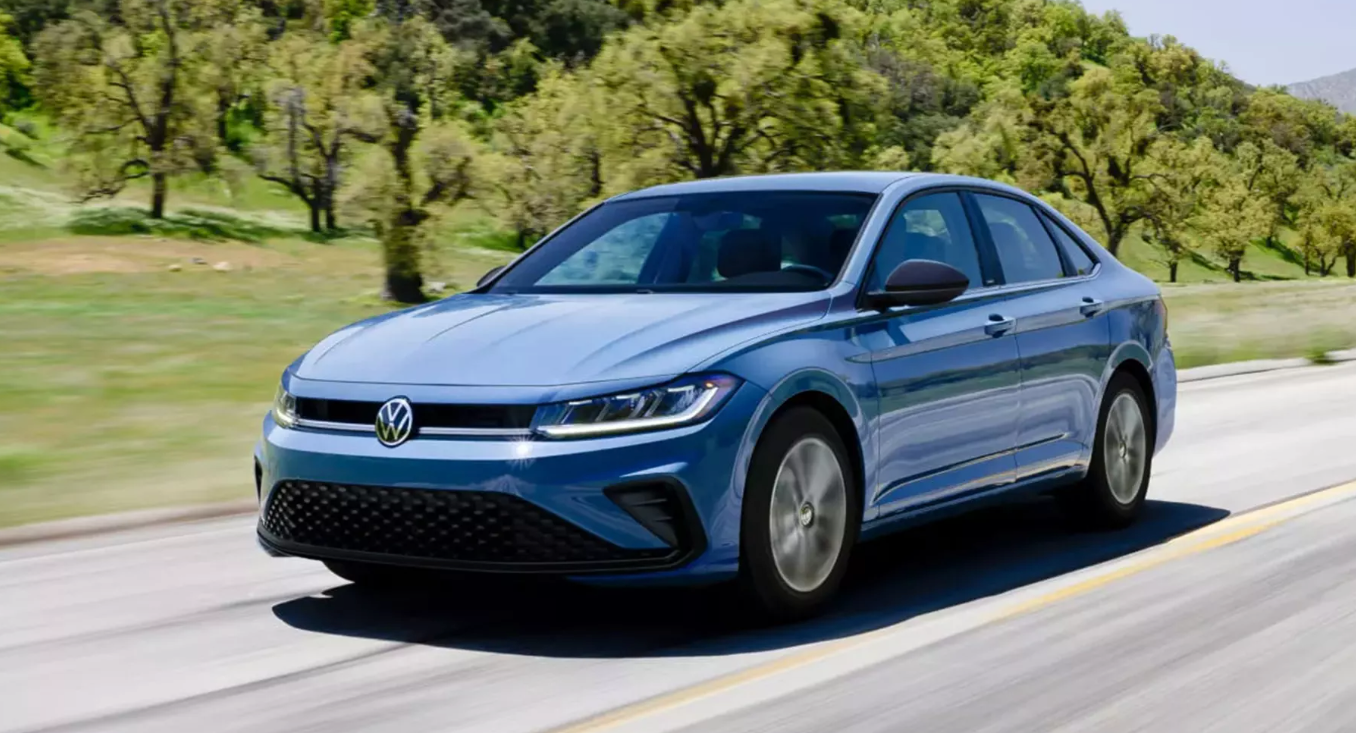
2026 vw jetta
2026 Volkswagen Jetta Technology & Safety | Daphne AL

Summary: Is the 2026 Jetta a Technology-Focused Commuter Car?

The 2026 Volkswagen Jetta is a strong fit for commuters, students, young professionals, and first-time sedan buyers who want current safety and connectivity technology without moving into a larger or more complicated vehicle.

Standard IQ.DRIVE brings together technologies that can include Travel Assist, Adaptive Cruise Control, Active Blind Spot Monitor, Rear Traffic Alert, Front Assist, Lane Assist, and Emergency Assist on automatic-transmission models. These systems are designed to support an attentive driver rather than replace one.

The Jetta also offers a floating center touchscreen, available VW Digital Cockpit Pro, Wireless App-Connect, available wireless charging, Wi-Fi Hotspot capability, myVW connected services, available remote start, and available comfort features such as heated and ventilated front seats.

For drivers traveling between Daphne and Mobile, the most useful Jetta features are usually the ones that reduce repetitive workload, simplify phone connectivity, improve visibility, and make long daily commutes more comfortable.

Technology in a daily driver should make the vehicle easier to understand and less tiring to use. A long list of features has limited value when the controls are confusing, the driver cannot find important information quickly, or connectivity takes too long to set up before every commute.

The 2026 Volkswagen Jetta takes a practical approach. Its technology centers on clear driver information, smartphone connectivity, available connected services, comfort functions, and driver-assistance features that support common highway, traffic, and parking situations.

At Volkswagen of Daphne, we recommend evaluating these systems according to the routes you drive most often. A student traveling around Daphne may prioritize phone integration and ease of parking. A professional commuting to Mobile may place more value on Adaptive Cruise Control, Lane Assist, seat comfort, and remote climate preparation.

You can view available Volkswagen Jetta models, schedule a Jetta technology test drive, or begin with online pre-approval.

2026 Volkswagen Jetta Technology Overview

The Jetta combines standard driver assistance with accessible displays, smartphone integration, connected services, and available comfort upgrades designed around daily driving.

The central technology experience begins with the instrument display and center touchscreen. The driver can view vehicle, trip, assistance, audio, and navigation-related information through the available VW Digital Cockpit Pro, while the floating center touchscreen handles media, compatible apps, and vehicle functions.

Connectivity extends beyond the cabin. The myVW app can provide access to service scheduling, service history, owner tutorials, and connected vehicle services when the vehicle is equipped, activated, and supported by an eligible plan.

Technology AreaAvailable Jetta FeatureEveryday BenefitImportant Consideration
Driver informationAvailable VW Digital Cockpit Pro Places configurable driving information in the driver's direct line of sight Availability depends on trim and configuration
InfotainmentFloating center touchscreen Provides access to audio, compatible apps, and settings Drivers should configure frequently used functions before driving
Phone integrationWireless App-Connect Supports compatible Apple CarPlay and Android Auto apps Requires a compatible device and supported applications
Device powerAvailable wireless charging Helps reduce charging-cable clutter during commuting Requires a compatible device
Connected ownershipmyVW and available myVW+ services Can support remote access, service tools, and vehicle information Services require activation, connectivity, and applicable terms
Driver supportStandard IQ.DRIVE Supports highway, lane, traffic, and awareness tasks Does not replace attentive driving

Digital Displays and Infotainment in the 2026 Jetta

The Jetta's display layout is designed to separate information the driver needs immediately from functions that can remain in the center screen. This can make the cabin easier to learn than a system that places every control inside one large display.
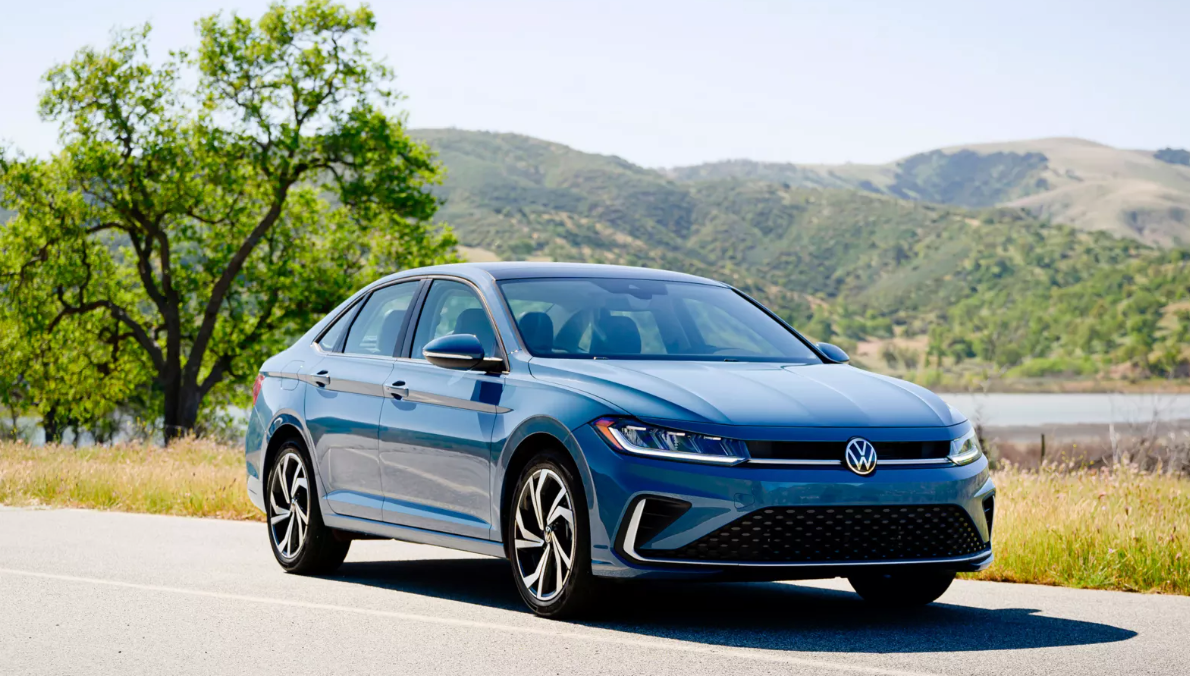
2026 Volkswagen Jetta technology and safety features near Daphne Alabama

Available VW Digital Cockpit Pro

The available VW Digital Cockpit Pro can present configurable information directly ahead of the driver. Depending on the selected view and vehicle equipment, the display can help the driver monitor speed, trip information, assistance-system status, audio information, and other vehicle data.

For a commuter, the benefit is not simply that the display is digital. The benefit is that frequently referenced information can be positioned where the driver does not need to look across the cabin.

Floating Center Touchscreen

The center touchscreen supports media, connectivity, and vehicle functions in a position intended to remain visible and reachable from the front seats. We recommend setting preferred radio stations, pairing the phone, arranging compatible apps, and reviewing assistance settings before beginning a normal commute.

A technology test drive should include more than tapping through menus while parked. The buyer should confirm whether common functions remain easy to identify after several minutes of driving, when attention properly belongs on the road.

Wireless App-Connect, Charging, Wi-Fi, and myVW

Wireless App-Connect allows compatible Apple CarPlay and Android Auto functions to appear through the Jetta's infotainment system. This can simplify access to supported navigation, calls, messages, podcasts, and audio applications without connecting a cable every time the driver enters the vehicle.

Available wireless charging can help keep a compatible phone powered during the commute. Drivers should still bring a cable on longer trips because wireless charging speed, device temperature, phone cases, and application use can influence charging performance.

Available Wi-Fi Hotspot capability can support passenger devices when an eligible data plan, vehicle connectivity, and other requirements are active. It should be treated as a passenger convenience rather than an invitation for the driver to interact with a device while the vehicle is moving.

Connected Services Through myVW+

When equipped and activated, myVW+ connected services can include functions such as remote start, remote locking and unlocking, and last parked location. Exact services depend on the vehicle, hardware, account, connectivity, subscription status, and current program terms.

The myVW app can also help owners access service history, tutorials, and service-scheduling tools. This makes the app useful even for an owner who does not use every available remote feature.

Comfort and Convenience Features for Daily Driving

Technology is not limited to screens. Climate controls, seat heating, ventilation, keyless access, remote start, and cabin materials all affect how convenient the vehicle feels during repeated daily use.

Available Jetta comfort features include Climatronic dual-zone automatic climate control, a heated leather-wrapped multifunction steering wheel, heated and ventilated front seats, and heated outboard rear seats.

These features can be particularly relevant around the Gulf Coast. Ventilated front seats may provide more daily value during hot, humid months than an appearance upgrade. Available remote start can allow the climate system to begin preparing the cabin before the driver enters, when used according to system requirements and local conditions.

Driver RoutineFeature to ConsiderWhy It May MatterWho Benefits Most?
Hot afternoon commuteAvailable ventilated front seatsCan improve front-seat comfort during Gulf Coast heatDaily commuters and high-mileage drivers
Different temperature preferencesClimatronic dual-zone automatic climate controlAllows separate front-zone temperature settingsCouples and frequent front-seat passengers
Leaving home or workAvailable remote engine startCan begin cabin climate preparation before entryDrivers parking outdoors
Frequent short tripsAvailable keyless access and push-button startReduces repeated key handling during errandsStudents, parents, and delivery-based professionals
Long highway travelAvailable heated and ventilated seatingAdds adjustable comfort during changing conditionsMobile and Pensacola commuters

Volkswagen Jetta Safety Technology

The Jetta's safety approach includes active driver-assistance technology and structural or post-collision systems. These categories should not be confused. Driver-assistance features aim to support awareness or vehicle control before an incident. Structural and post-collision technologies are designed around protection and response when a collision occurs.

Rear View Camera System

The rearview camera provides a wide-angle view behind the vehicle when reversing. It can help the driver see obstacles that may be difficult to identify through mirrors alone.

A camera does not show every object or replace checking mirrors, windows, and surroundings. Lens cleanliness also matters, especially after rain, road spray, or coastal travel.

Safety Cell and Crumple Zones

The Jetta uses front and rear crumple zones designed to absorb crash energy and a rigid safety cage intended to help distribute forces away from occupants.

These structural features work in combination with seat belts, airbags, head restraints, and proper seating position. Occupants should always use the appropriate restraints and follow the owner's manual for child-seat installation and airbag guidance.

Intelligent Crash Response System

When a collision causes the airbags or safety-belt pretensioners to activate, the Intelligent Crash Response System can, in certain circumstances, turn off the fuel pump, unlock the doors, and activate the hazard lights.

Automatic Post-Collision Braking System

A vehicle may continue moving after the first impact. The Automatic Post-Collision Braking System can help slow the Jetta after certain collisions, helping reduce the possibility or severity of an additional impact.

Stability-Enhancing Systems

Volkswagen describes six stability-enhancing systems, including functions such as Electronic Brake-pressure Distribution and Electronic Stability Control. These systems can support braking balance, stability, and corrective vehicle responses in certain situations.

IQ.DRIVE Driver-Assistance Features

IQ.DRIVE is standard on the 2026 Jetta and combines multiple assistance systems intended to support an attentive driver.

The current feature set can include Travel Assist, Adaptive Cruise Control, Active Blind Spot Monitor, Rear Traffic Alert, Front Assist, Lane Assist, and Emergency Assist on automatic-transmission vehicles.

IQ.DRIVE FeaturePrimary PurposeUseful Driving ScenarioDriver Responsibility
Travel Assist Provides hands-on steering and speed support within system limitations Longer highway drives and repetitive commuting Keep hands on the wheel, remain attentive, and be ready to take full control
Adaptive Cruise Control Helps maintain a selected speed and following interval I-10 and Bayway travel with changing traffic speeds Monitor traffic and brake or steer whenever required
Active Blind Spot Monitor Can alert the driver to vehicles in monitored blind-spot areas Lane changes in busy highway traffic Check mirrors and surroundings before changing lanes
Rear Traffic Alert Can warn of detected cross traffic while reversing Backing out of crowded shopping or campus parking spaces Reverse slowly and continue checking both directions
Front Assist Can warn of certain forward collision risks and assist braking Traffic slowdowns and unexpected changes ahead Maintain a safe following distance and remain prepared to brake
Lane Assist Can provide steering support when the vehicle drifts from a detected lane Marked highways and longer regional trips Steer actively and understand that faded markings can limit performance
Emergency Assist Can respond when the system detects prolonged driver inactivity Automatic-transmission models within system conditions Never rely on the system as a substitute for being fit and alert to drive

Driver-assistance systems have operational limits. Weather, glare, dirty sensors, faded road markings, sharp curves, nearby objects, traffic behavior, and other conditions can affect how they operate.

Everyday Driving Support and Highway Confidence

Highway technology is most useful when it reduces repetitive workload without encouraging the driver to disengage. Adaptive Cruise Control can help manage changing speeds, while Lane Assist and Travel Assist can provide support within their operating limits.

During a Daphne-to-Mobile commute, the systems may be most useful on open, clearly marked sections of I-10. The driver should still expect to take full control in construction zones, heavy rain, merging traffic, sharp changes in road markings, or unpredictable congestion.

The best reason to prioritize IQ.DRIVE is not that it makes the Jetta self-driving. It is that the systems can support a driver during the repetitive parts of a normal commute.

Light Assist for Changing Visibility

Available Light Assist can automatically manage high-beam activation under qualifying speed, lighting, and traffic conditions. This can be useful on darker roads outside central Daphne or Fairhope, although the driver remains responsible for selecting appropriate lighting and responding to conditions.

Parking, Traffic, and Commuting Considerations

Sedan technology is particularly useful when it addresses the places where drivers spend the most time: congested roads, crowded parking lots, apartment complexes, campuses, and retail centers.

The rearview camera and Rear Traffic Alert can support reversing in crowded areas. Active Blind Spot Monitor can provide another layer of awareness when changing lanes. Front Assist can monitor certain forward risks, while the Jetta's compact-sedan dimensions make it easier to place than a larger SUV.

Technology to Test in a Parking Lot

  • Rearview camera image clarity and guide visibility.
  • Rear Traffic Alert warnings while backing slowly.
  • Blind-spot indicator placement in the mirrors.
  • Steering feel during tight turns and parking maneuvers.
  • Visibility over the hood and through the rear window.
  • Ease of accessing the center screen without looking down for long periods.
  • Phone connection speed when entering the vehicle.

Is the 2026 Jetta a Good Technology-Focused Commuter Car?

The 2026 Jetta is a strong technology-focused commuter for drivers who value standard assistance features, straightforward controls, smartphone connectivity, comfort, and sedan efficiency.

It is especially well suited to drivers who do not need the cargo height or elevated seating of an SUV. The lower sedan profile can provide a familiar, stable highway feel while still offering a practical rear seat and trunk for school, work, groceries, and weekend travel.

A technology-focused buyer should compare trims carefully. IQ.DRIVE is standard, but available Digital Cockpit Pro, ventilation, heated rear seats, premium audio, remote start, and other equipment may depend on the selected configuration.

Commuter ProfileFeatures to PrioritizeWhyWhat to Verify
Mobile highway commuterAdaptive Cruise Control, Lane Assist, seat comfortSupports repetitive I-10 travelSystem controls and preferred following-distance settings
Student or first-time buyerWireless App-Connect, rear camera, blind-spot monitoringSupports navigation, parking, and everyday awarenessPhone compatibility and exact trim equipment
Young professionalDigital displays, remote start, wireless chargingImproves convenience before and during work travelConnected-services terms and device compatibility
High-mileage driverVentilated seats, dual-zone climate control, Travel AssistComfort becomes more important over repeated long tripsSeat fit and assistance-system behavior during a test drive
Occasional commuterCore IQ.DRIVE and App-Connect functionsAvoids paying for upgrades that may be used infrequentlyWhether the standard equipment already satisfies the routine

Jetta Technology for Daphne, Mobile, Bayway, and US-98 Driving

The value of each feature changes according to the route. A system that matters on I-10 may offer less value during short neighborhood trips. A feature that feels optional in winter may become a priority during a humid Alabama summer.

Daphne-to-Mobile and Bayway Commuting

Adaptive Cruise Control, Lane Assist, Travel Assist, and seat comfort can be especially relevant for repeated Bayway travel. Drivers should still take full control during construction, congestion, heavy rain, or poorly marked lanes.

US-98 and Fairhope Driving

Active Blind Spot Monitor and Front Assist can support awareness during changing traffic speeds, frequent turns, and lane changes. The compact sedan body can also be easier to place in busy commercial areas than a larger vehicle.

Spanish Fort Shopping and Parking

The rearview camera and Rear Traffic Alert can be useful when reversing from spaces surrounded by larger vehicles. Drivers should reverse slowly because sensors and cameras cannot identify every object or approaching road user.

Gulf Coast Heat and Humidity

Available remote start, ventilated front seats, and dual-zone climate control may provide more everyday value around Daphne than they would in a cooler region. Buyers who park outdoors should test these functions rather than treating them as minor options.

Which 2026 Jetta Features Should Shoppers Prioritize?

Shoppers should prioritize the features that solve frequent problems rather than choosing the longest equipment list. The right priorities depend on commute length, parking conditions, phone use, passenger needs, heat exposure, and comfort preferences.

Our Recommended Priority Order

  1. Driver-assistance usability: Confirm that you understand the IQ.DRIVE controls and alerts.
  2. Seat comfort: A supportive seat matters more than a flashy screen during a long commute.
  3. Visibility and parking support: Test the camera, mirrors, blind-spot indicators, and rear visibility.
  4. Phone compatibility: Connect the exact device you use every day.
  5. Climate features: Consider ventilation, remote start, and dual-zone controls for Gulf Coast conditions.
  6. Display upgrades: Decide whether Digital Cockpit Pro adds information you will actually reference.
  7. Audio: Compare the standard system with the available premium sound system using familiar music.

For most commuters, comfortable seating, intuitive controls, IQ.DRIVE, and reliable phone connectivity will create more daily value than features used only occasionally.

What to Test During a 2026 Jetta Technology Walkaround

A technology-focused test drive should reproduce the buyer's real routine. We recommend bringing the phone, charging cable, common navigation app, and any passenger who regularly shares the vehicle.

  1. Pair your phone and confirm Wireless App-Connect compatibility.
  2. Open navigation, audio, calls, and messages through supported apps.
  3. Review the Digital Cockpit views available on the vehicle.
  4. Adjust the seat, steering wheel, mirrors, and climate controls.
  5. Test Adaptive Cruise Control on an appropriate road.
  6. Observe how Lane Assist communicates through the steering wheel and display.
  7. Check blind-spot indicator visibility in daylight.
  8. Reverse into and out of a parking space using the camera and mirrors.
  9. Confirm whether remote start, wireless charging, and keyless access are included.
  10. Review the exact window sticker before assuming a feature is standard.

At Volkswagen of Daphne, we can tailor the walkaround to your commute rather than demonstrating every feature in the same order. Tell us whether your priorities are highway assistance, parking, phone integration, cabin comfort, or connected ownership tools.

Visit us at 29816 Frederick Boulevard, Daphne, AL 36526, or call our sales team at 251-374-0664. We serve drivers from Daphne, Fairhope, Spanish Fort, Mobile, Foley, Gulf Shores, and nearby Gulf Coast communities.

2026 Volkswagen Jetta Technology and Safety FAQ

Does the 2026 Volkswagen Jetta include IQ.DRIVE?

Yes. IQ.DRIVE is standard on the 2026 Jetta. Its driver- assistance feature set can include Travel Assist, Adaptive Cruise Control, Active Blind Spot Monitor, Rear Traffic Alert, Front Assist, Lane Assist, and Emergency Assist on automatic-transmission models. These systems support the driver but do not replace attentive driving.

Does the 2026 Jetta have Apple CarPlay and Android Auto?

The 2026 Jetta offers Wireless App-Connect for compatible Apple CarPlay and Android Auto devices. Compatibility depends on the phone, operating system, supported applications, and current service requirements. We recommend pairing your exact phone during the test drive.

What safety features are included in the 2026 Jetta?

The Jetta combines driver-assistance features with safety- enhancing technologies such as a rearview camera, front and rear crumple zones, a rigid safety cage, Intelligent Crash Response System, Automatic Post-Collision Braking System, and stability-enhancing systems. Exact assistance equipment should be confirmed on the specific vehicle.

Is the 2026 Volkswagen Jetta good for commuting to Mobile?

The Jetta is a strong commuter choice for Daphne-to-Mobile drivers who want sedan efficiency, standard driver assistance, smartphone connectivity, and available comfort features. Adaptive Cruise Control, Lane Assist, Travel Assist, and ventilated seating may be particularly useful for frequent Bayway travel.

Can the 2026 Jetta be started remotely?

Remote engine start is available on equipped Jetta configurations. It may be operated through the key fob and, when supported and activated, through eligible myVW+ connected services. Availability and operation depend on the selected vehicle, account, connectivity, and current service terms.

Does the 2026 Jetta have a digital instrument display?

The Jetta offers an available VW Digital Cockpit Pro that can present configurable driving and vehicle information in front of the driver. Display availability and functions vary by trim and vehicle configuration.

Which Jetta technology features should commuters prioritize?

Most commuters should prioritize seat comfort, IQ.DRIVE usability, phone compatibility, camera visibility, climate features, and intuitive controls. Drivers spending more time on I-10 may place additional value on Adaptive Cruise Control, Lane Assist, Travel Assist, and available ventilated seating.
Posted in:

Related Posts

Volkswagen SUV Leasing Guide: Taos, Tiguan, and Atlas

Volkswagen SUV Leasing Guide: Taos, Tiguan, and Atlas

The Financial Benefits of Leasing a Volkswagen: Lower Payments and Warranty Perks Choosing a Volkswagen SUV to lease starts with a different question than simply asking which SUV is largest or has the most features. A lease covers a defined period and a contracted mileage allowance, so the more useful question is how much passenger room, cargo flexibility, drivetrain capability, and vehicle size you expect to use during that period. The Volkswagen Taos, Tiguan, and Atlas serve three different SUV needs. The Taos is the smallest five-seat choice, the Tiguan adds more two-row cargo capacity and available performance, and the Atlas moves into a three-row layout with substantially greater maximum cargo space. For a lease shopper, the right choice is the SUV that provides enough capability for the next lease cycle without paying for size or capacity that will rarely be used. That distinction matters for drivers around Daphne and Mobile. A commuter who normally carries one or two passengers may have very different needs from a household that regularly fills a second row, and both may need far less vehicle than a family that depends on a third row. This guide focuses specifically on choosing among the Volkswagen Taos, Tiguan, and Atlas for a lease. It does not assume that the largest SUV is automatically better or that leasing is automatically less expensive than financing. The actual lease payment, mileage allowance, incentives, fees, and terms depend on the vehicle, program, contract, and customer eligibility at the time of the transaction. What Is a Lease Mileage Allowance? A lease mileage allowance is the amount of driving permitted under the lease agreement before additional mileage charges may apply when the vehicle is returned. Volkswagen Financial Services advises customers to review the mileage stated in their individual lease agreement because the allowed mileage and applicable excess-mileage terms are contract-specific. Why Lease a Volkswagen SUV? Leasing can fit drivers who prefer a defined vehicle cycle and expect their annual mileage to remain compatible with the lease agreement. Instead of purchasing the vehicle for indefinite ownership, the customer uses it for the agreed term and then follows the applicable lease-end process. That structure makes vehicle selection especially important. If you lease an SUV that is larger than your routine requires, you may spend the entire lease term carrying size and capability you rarely use. If you choose too little vehicle, passenger or cargo needs can become frustrating long before the lease reaches maturity. Access to Current Technology and Features A lease can also appeal to shoppers who prefer changing vehicles periodically rather than keeping one for many years. Taos, Tiguan, and Atlas can offer Volkswagen technologies such as Digital Cockpit features, connected services, IQ.DRIVE driver-assistance technology, and available 4MOTION all-wheel drive, although exact equipment varies by model year and trim. Driver-assistance systems should be compared by exact configuration. IQ.DRIVE features assist the driver but do not make a Volkswagen autonomous, and they remain subject to system limitations and driver responsibility. Ownership Timeline, Mileage, and Lifestyle Before deciding among these SUVs, estimate how your driving will look over the entire lease period. Include your normal commute, school or family transportation, errands, weekend travel, and longer trips rather than basing the estimate on one typical week. A regular Daphne-to-Mobile commute, for example, can contribute a significant portion of annual mileage before weekend driving is added. Instead of assuming a standard allowance will fit, calculate your actual route and expected driving days, then compare that estimate with current Volkswagen Financial Services lease terms. For more detail on this part of the decision, see our Volkswagen lease mileage guide. Leasing a Volkswagen Taos Compact SUV Taos The Taos is the smallest of these three Volkswagen SUVs. Volkswagen's current U.S. Taos information lists five-passenger seating, a 174-horsepower turbocharged engine, available 4MOTION all-wheel drive, and up to 65.9 cubic feet of cargo capacity with the rear seats folded. Two-Row SUV Tiguan The current Tiguan provides five-passenger seating and up to 69.8 cubic feet of cargo space with the rear seats folded. Available 4MOTION gives shoppers an AWD option, while the current SEL R-Line Turbo adds a higher-output 268-horsepower configuration. Three-Row SUV Atlas The Atlas changes the decision more substantially by adding a third row and up to 96.6 cubic feet of cargo capacity with the rear seats folded. Its current turbocharged engine produces 269 horsepower and 273 lb-ft of torque, with up to 5,000 pounds of towing capacity when properly equipped. Compact Size, Commuting, and Everyday Flexibility The Taos deserves consideration when five seats are enough and you want SUV cargo access without moving into a larger footprint. That can be useful for commuting, parking, daily errands, and households that regularly carry passengers but do not need a third row. Choosing the Taos does not have to mean treating it as a compromise. If its passenger room and cargo capacity cover the way you expect to use the SUV throughout the lease, moving up simply because another model is larger may add capacity without adding much practical value. Volkswagen's national model-year transition is worth noting here. At the time of publication, Volkswagen's current U.S. Taos page has moved to the 2027 model, while Volkswagen of Daphne inventory may still include 2026 Taos vehicles. Always compare the specifications and lease program for the exact model year and VIN you are considering. Leasing a Volkswagen Tiguan Passenger Flexibility, Cargo Room, and Family Use The Tiguan sits between the Taos and Atlas in this decision. It remains a two-row, five-passenger SUV, but Volkswagen lists 33.8 cubic feet of cargo capacity behind its rear seats and 69.8 cubic feet with them folded on the current 2026 model. That makes the Tiguan worth evaluating when a Taos is close to meeting your needs but you expect to use the rear seats frequently, carry bulkier items, or simply want additional two-row flexibility without leasing a three-row SUV. The current Tiguan also gives shoppers a broader performance spread. Core versions use Volkswagen's turbocharged powertrain, while the 2026 SEL R-Line Turbo is rated at 268 horsepower and 258 lb-ft of torque with standard 4MOTION. More horsepower is not automatically a reason to choose that configuration. For a lease shopper focused mainly on commuting and cargo flexibility, trim equipment, drivetrain, mileage terms, and the actual lease program may matter more than peak output. Leasing a Volkswagen Atlas When a Third Row Changes the Decision Atlas is not simply a larger Tiguan. Its three-row layout changes the type of household it can support. If your normal routine includes additional children, relatives, friends, teammates, or other passengers who regularly require more than two seating rows, Atlas provides functionality the Taos and Tiguan cannot duplicate. Volkswagen also lists up to 96.6 cubic feet of cargo space with the rear seats folded on the current 2026 Atlas. Atlas may also matter when towing is part of the requirement. Volkswagen lists up to 5,000 pounds of towing capacity for the current Atlas when properly equipped. Towing limits depend on configuration, equipment, trailer setup, load, and other operating conditions, so always confirm the requirements for the exact vehicle before towing. If the third row would remain folded almost all the time and your cargo needs fit comfortably within a smaller SUV, however, the added size may not provide meaningful value during the lease. That is why Atlas should be selected because its extra capability solves an actual need, not simply because it sits above Tiguan in the lineup. Taos vs Tiguan vs Atlas for a Volkswagen Lease Decision Factor Volkswagen Taos Volkswagen Tiguan Volkswagen Atlas Layout Two rows Two rows Three rows Passenger Focus Five-seat compact SUV Five-seat SUV with more two-row flexibility Households that need a third row Maximum Published Cargo 65.9 cu. ft. 69.8 cu. ft. 96.6 cu. ft. 4MOTION AWD Available Available; standard on current SEL R-Line Turbo Available Main Sizing Question Are five seats and compact-SUV cargo enough? Do you need more two-row space without a third row? Will you actually use three-row passenger capacity? Lease Planning Question Does the smaller SUV cover your needs for the full term? Is the extra two-row flexibility useful often enough? Do passenger, cargo, or towing needs justify the larger vehicle? Current official Volkswagen specifications shown here refer to the current U.S. model pages available at publication. Volkswagen currently lists the 2027 Taos, 2026 Tiguan, and 2026 Atlas. Always verify the exact model year, trim, drivetrain, and lease program for the vehicle you are considering. The biggest functional jump in this Volkswagen SUV comparison occurs between the Tiguan and Atlas, not between Taos and Tiguan. Volkswagen lists 65.9 cubic feet of maximum cargo capacity for the current Taos and 69.8 cubic feet for the current Tiguan, while the Atlas increases maximum cargo capacity to 96.6 cubic feet and adds a third seating row. That makes the Atlas decision primarily about needing a different passenger-and-cargo layout rather than simply moving one size higher. Vehicle Size and Passenger Capacity Start by counting how many seats are used regularly rather than how many people might ride in the SUV once or twice a year. If five seats cover nearly every week of the lease, Taos and Tiguan keep the decision within the two-row category. If a third row will regularly solve carpools, extended-family travel, or larger household needs, the Atlas becomes fundamentally different from the other two. Daily Commuting and Regional Travel Commuting can favor a smaller SUV simply because passenger capacity is not the only consideration. Parking, maneuverability, fuel use, annual mileage, and how much cargo you carry during a normal workweek all matter. Longer Gulf Coast trips can shift the calculation. Four or five people plus luggage may make cargo space more important than it appears during a normal commute. Frequent travel can also increase annual mileage considerably, which means the lease allowance deserves as much attention as the model itself. Choosing an SUV Based on Your Lease Priorities Instead of trying to identify a universal "best Volkswagen SUV to lease," rank the factors that will remain important during the entire lease term. Passenger count: How many people ride with you during a normal week? Cargo with seats in use: Do you need cargo room while the rear seats remain occupied? Annual mileage: Does your commute and regional travel fit the mileage structure being offered? AWD preference: Do you specifically want a 4MOTION configuration? Parking and maneuverability: Does a larger vehicle create an unnecessary tradeoff in your daily routine? Third-row use: Will you actually use the Atlas's additional seating layout often enough to justify moving up? Lease term and program: What mileage, payment, fees, and obligations apply to the exact offer you are reviewing? How Mileage Changes the SUV Lease Decision Mileage is one of the areas where leasing changes the model-selection conversation. A vehicle can fit your passenger needs perfectly and still be a poor lease match if your expected driving does not align with the contract. Volkswagen Financial Services states that most standard leases are calculated around a specified mileage allowance and that a higher mileage limit may be negotiated in some cases. If the contracted mileage is exceeded and the vehicle is returned, additional charges may apply according to the agreement. That means a regular Eastern Shore commuter should calculate likely mileage before choosing both the SUV and the lease structure. Start with your normal round-trip commute and number of commuting days, then add recurring errands, school transportation, trips to Mobile, and longer regional travel. Do not assume every Volkswagen lease uses the same mileage allowance or excess-mileage rate. Review the current Volkswagen Financial Services program and the actual lease agreement for the specific vehicle. The contract controls the mileage and financial obligations that apply to your lease. Do You Actually Need to Move Up to the Next Volkswagen SUV? Taos to Tiguan Moving from Taos to Tiguan is primarily a two-row space decision. Both are designed around five-passenger use, and their maximum published cargo figures are relatively close compared with the much larger jump to Atlas. Tiguan becomes more compelling when the additional passenger and cargo flexibility, available configuration, or performance choices matter in your daily use. If the Taos already covers your routine comfortably, there is no automatic leasing advantage to moving up. Tiguan to Atlas Moving from Tiguan to Atlas is easier to justify when you have a real third-row requirement. The Atlas also provides a substantial increase in maximum cargo capacity and greater towing capability, but those strengths only matter when you use them. A five-passenger household that rarely transports additional people may find Tiguan provides all the space needed. A household that regularly exceeds two rows has a clearer functional reason to evaluate Atlas. Leasing the largest SUV available is not automatically the most useful choice. A lease covers a defined term and mileage structure, so the better sizing decision is to choose enough passenger, cargo, drivetrain, and towing capability for how you expect to use the vehicle during that period. A third row creates clear value when it is used regularly, but it provides less practical benefit to a commuter or five-passenger household that rarely needs it. Taos, Tiguan, or Atlas for Different Driving Needs If Compact Size Is the Priority Start with the Taos. Check whether its five seats and cargo capacity cover your normal passenger and luggage needs before moving to a larger model. If You Need More Two-Row Flexibility Compare the Tiguan. It gives you additional cargo capacity and a broader range of current performance configurations without moving into a three-row SUV. If a Third Row Is Part of Normal Life Put the Atlas on the comparison list. Its seating layout and much larger maximum cargo capacity address a different household need than the Taos or Tiguan. If you want to compare the Volkswagen SUV lineup without the leasing-specific factors, our Volkswagen SUV buying guide takes a broader look at passenger space, cargo needs, daily driving, and regional travel. Compare Volkswagen SUV Lease Options in Daphne Compare the Taos, Tiguan, and Atlas based on the space and mileage you actually expect to use, then review the current lease terms for the exact vehicle and configuration you are considering. View Current Volkswagen Inventory Review Finance and Lease Options Key Takeaways The Taos, Tiguan, and Atlas solve different SUV needs, so choosing a lease should start with passenger count, cargo requirements, and expected mileage rather than simply choosing the largest model. Volkswagen currently lists 65.9 cubic feet of maximum cargo space for the Taos, 69.8 cubic feet for the Tiguan, and 96.6 cubic feet for the Atlas. The biggest functional step occurs when moving to the Atlas because it adds a third seating row and substantially more maximum cargo capacity. Drivers considering a lease should estimate their full annual mileage, including commuting, errands, and regional travel, before agreeing to a mileage allowance. 4MOTION is available across these SUV lines in certain configurations, but AWD should be chosen because it matches a real drivetrain preference or use case, not because it is automatically necessary for every driver. Exact lease payments, mileage terms, incentives, fees, and availability change, so evaluate the current program for the exact model, trim, drivetrain, and model year you are considering. Volkswagen SUV Leasing FAQs Should I lease a Volkswagen Taos or Tiguan? Start with passenger and cargo needs. Both are two-row, five-passenger SUVs, but the Tiguan provides somewhat greater maximum cargo capacity and a broader current performance range. If the Taos already gives you enough room for the full lease period, moving up to Tiguan is not automatically necessary. Should I lease a Tiguan or Atlas? The strongest reason to move from Tiguan to Atlas is a genuine need for a third row or substantially greater cargo capacity. Tiguan remains a two-row option, while Atlas is designed around a three-row layout and provides up to 96.6 cubic feet of maximum cargo space on the current model. Which Volkswagen SUV has three rows? The Volkswagen Atlas is the three-row SUV in this comparison. Taos and Tiguan use two-row layouts, so shoppers who regularly need a third seating row should include Atlas in their comparison. How should annual mileage affect my Volkswagen SUV lease? Estimate the mileage you expect to drive during the entire lease term before choosing an allowance. Include commuting, errands, family transportation, and longer trips. Volkswagen Financial Services states that exceeding the mileage specified in the lease agreement can result in additional charges when the vehicle is returned, so the exact contract should guide the decision. Compare the SUV You Will Actually Use Taos, Tiguan, and Atlas are easier to compare once you stop treating size as the goal. Think about the busiest normal week you expect during the lease: how many people are in the vehicle, how much cargo stays behind occupied seats, how far you drive, and whether you genuinely need the capability of the next SUV up. You can view current Volkswagen inventory to compare available SUVs, then review the current program with the Volkswagen of Daphne finance team before making a lease decision. Related Volkswagen Insights & Updates SUV Buying Guide Which 2026 Volkswagen SUV Is Right for You in Daphne? Compare Taos, Tiguan, Atlas Cross Sport, and Atlas based on passenger space, cargo needs, commuting, and everyday use. Read More Lease Mileage Volkswagen Lease Mileage Guide for Daphne and Mobile Drivers Learn how mileage allowances work and how commuting, errands, and regional travel can affect lease planning. Read More Taos Guide 2026 Volkswagen Taos: Is It the Right Compact SUV for Your Daily Drive in Daphne, AL? Take a closer look at Taos cargo flexibility, commuting, technology, drivetrain choices, and everyday usability. Read More SUV Travel Guide Best 2026 Volkswagen SUVs for Summer Adventures Near Daphne Compare Volkswagen SUVs for road trips, beach travel, passengers, cargo, and Gulf Coast weekend use. Read More

volkswagen lease

Volkswagen Lease Return, Buyout, and Trade-In Options in Daphne, AL

Lease Return, Buyout, or Trade-In: Which End-of-Lease Path Fits Your Budget? Reaching the end of a Volkswagen lease does not automatically mean handing over the keys and starting over. If your Volkswagen Financial Services lease is approaching maturity, you may have several paths to consider, including returning the vehicle, purchasing it, moving into another Volkswagen, or asking whether you qualify for a limited lease extension. Volkswagen Financial Services currently provides four broad lease-transition paths: turn in your vehicle and move into another Volkswagen, request an eligible lease extension, purchase your current vehicle, or return it at lease-end. The right option depends on your individual lease agreement, payoff information, vehicle condition, mileage, future driving needs, and any new transaction you are considering. Review your actual account and contract before assuming that a fee, payoff amount, extension, or trade-in outcome applies to you. This guide is for drivers who already have an active Volkswagen lease and are deciding what to do next. It is different from deciding whether leasing or financing makes sense when first acquiring a vehicle. At lease-end, the important questions involve your existing agreement, current mileage, vehicle condition, purchase option, timing, and what you want to drive after the contract ends. Starting the process before the maturity date can also give you more time to review the vehicle, arrange the required inspection if you plan to return it, investigate a buyout, or compare a replacement vehicle without rushing the decision. Definition: What Is Lease Maturity? Lease maturity is the scheduled end of the lease term established in your agreement. As that date approaches, the lessee must determine how the contract will be completed, such as returning the vehicle, exercising an available purchase option, or reviewing another transition option offered by Volkswagen Financial Services. What Are Your Options at the End of a Volkswagen Lease? Volkswagen Financial Services currently organizes the lease-end process around four broad choices. They sound simple on paper, but each one has different practical and financial considerations. Return Your Leased Volkswagen If you do not want to keep the vehicle, you can prepare it for turn-in. Volkswagen Financial Services provides a formal return process that includes assessing the vehicle, arranging a complimentary inspection, deciding whether to complete eligible repairs, making the final payment, and scheduling the turn-in with a Volkswagen dealer. Purchase Your Current Volkswagen If you want to keep the Volkswagen you have been driving, contact your Volkswagen dealer or Volkswagen Financial Services for current payoff instructions. The purchase decision should be based on your actual contract and payoff information rather than assuming the original residual or a general market estimate tells the whole story. Move Into Another Volkswagen You may choose to return your existing leased vehicle and lease or purchase another Volkswagen. Treat the old lease and the new transaction as connected decisions but separate financial obligations. Current programs, eligibility, incentives, credit approval, and terms should always be confirmed at the time of the transaction. Ask About a Lease Extension Volkswagen Financial Services states that customers may be eligible to extend a lease for a limited period. Eligibility is not automatic. Current customers should use My Account and contact Volkswagen Financial Services to determine whether an extension is available for their specific lease. When Should You Start Preparing for Volkswagen Lease-End? Volkswagen Financial Services publishes a lease timeline that begins well before the final day of the contract. You do not have to make every decision six months in advance, but the timeline gives you useful milestones for avoiding a last-minute rush. 6M About 6 months remaining: Start reviewing your lease-transition options. If you are considering another vehicle, this is also a reasonable time to begin comparing models. 3M About 3 months remaining: Volkswagen Financial Services indicates that customers receive Wear and Use guidance around this point. Review the vehicle's condition and the items that should be present at inspection and return. 45 About 45 days remaining: Schedule the complimentary vehicle inspection if you plan to return the Volkswagen. Also begin arranging the eventual turn-in with the appropriate dealership. 30 About 30 days remaining: Prepare for your final scheduled payment and make sure you understand any remaining account obligations. 0 Lease-end: Complete the return or purchase process according to your lease and Volkswagen Financial Services instructions. The exact account status always matters more than a general timeline. If your vehicle is being repaired, you have deferred payments, your maturity date has passed, or another circumstance affects the account, contact Volkswagen Financial Services directly for instructions. What Should You Review Before Returning Your Volkswagen? Mileage and Your Lease Agreement Start with your signed lease agreement. That document establishes the mileage allowance and the terms that apply if the vehicle is returned with more mileage than the contract allows. Volkswagen Financial Services states that mileage beyond the maximum allowed by the agreement, plus any additional miles that may have been purchased, can result in an excess-mileage charge when the vehicle is returned. The applicable per-mile rate comes from the individual lease agreement, so there is no single overage rate that should be applied to every Volkswagen lease. If you want a deeper explanation of how contract mileage works, see our Volkswagen lease mileage guide for Daphne and Mobile drivers. Vehicle Condition and Excess Wear Normal use and excess wear are not the same thing. Volkswagen Financial Services publishes current wear-and-use standards covering areas such as exterior damage, interior condition, wheels, tires, missing equipment, aftermarket modifications, and mechanical condition. That is why it is useful to assess the vehicle before the formal inspection instead of waiting until the return appointment. Check that original equipment is present, look for damage that may fall outside normal-use guidelines, and make sure recommended maintenance or warranty repairs that apply to the vehicle have been addressed. Volkswagen Financial Services currently instructs returning lease customers to schedule a complimentary inspection through AiM, its accepted third-party inspection provider for excess wear and use. The inspection report is valid for 90 days as long as no additional damage occurs after the inspection date. Completing the inspection before turn-in gives the customer time to review the report and decide whether eligible repairs should be handled before the vehicle is returned. What to Have Ready for the Inspection and Return Volkswagen Lease-End Checklist All vehicle keys Owner's manual and maintenance booklet Headrests Cargo cover, when applicable Equipment that was installed when the vehicle was delivered Inspection report Repair documentation and proof of payment for qualifying post-inspection work, when applicable Your lease and account information Volkswagen Financial Services currently states that its complimentary lease-end inspection can take place at a home, office, or dealership. If repairs are completed after the inspection, follow Volkswagen Financial Services instructions for documenting the work before turning in the vehicle. Should You Buy Out or Return Your Volkswagen Lease? A lease buyout and a vehicle return solve two different problems. The right decision depends on whether you still want the vehicle and what the actual numbers in your account look like. Question to Review Why It Matters Do you still want to drive this Volkswagen long term? If the vehicle still fits your needs, purchasing it may deserve consideration. If your needs have changed, returning or replacing it may be more logical. What is the current payoff or purchase amount? You need actual Volkswagen Financial Services payoff information before evaluating a buyout. What is the vehicle's current condition? Condition is especially important when returning the vehicle because excess wear may affect the final invoice. Where are you relative to your mileage allowance? Mileage can affect a return. Review the allowance and excess-mileage provisions in your individual agreement. Have your passenger or cargo needs changed? A different vehicle may make more sense if your household, commute, or daily use has changed since the lease began. Do you want another lease or long-term ownership? Your preferred ownership timeline can change whether the next step is another lease, a purchase, or keeping the current vehicle. Buying your leased Volkswagen can make sense to evaluate if you want to keep the vehicle and the actual payoff, financing or cash requirements, and long-term ownership plan fit your situation. Returning the vehicle may be more appropriate when you want a different vehicle or no longer want to own the current one long term. Neither option is automatically cheaper or financially better without reviewing the real contract terms, payoff, vehicle condition, market context, and any financing involved. One important distinction is that Volkswagen Financial Services currently states that customers who purchase their leased vehicle do not pay a turn-in fee, excess wear-and-use charges, or excess-mileage charges associated with returning the vehicle. That does not mean purchasing is automatically less expensive overall. The purchase price, taxes, registration costs, financing terms, and long-term ownership expenses still need to be considered. If you want help evaluating financing for a purchase, you can review the Volkswagen of Daphne finance options and discuss the actual lease payoff before making a decision. Can You Trade In a Leased Volkswagen Early? This question needs more nuance than a simple yes or no. A leased Volkswagen is not the same as a vehicle you own outright, so a lease customer should not assume the vehicle can be traded like a fully owned car without first reviewing the lease account. Volkswagen Financial Services currently directs lease customers who are interested in trade-in possibilities to log into My Account and review their options. The current account balance, payoff, timing, vehicle value, transaction structure, and contractual obligations may all affect what is possible. Important: Returning a Volkswagen before the scheduled lease-end date may involve an early-termination charge. Volkswagen Financial Services notes that the earlier a lease is ended, the greater that charge is likely to be. Contact Volkswagen Financial Services about your specific account before assuming a dealer trade or replacement vehicle eliminates the obligations on your current lease. This is especially important if you still have several payments remaining. Moving into another vehicle and ending the current lease are related decisions, but they should not be treated as one automatic transaction. What Happens During a Volkswagen Lease Return? If you decide to return the vehicle rather than purchase it, Volkswagen Financial Services currently outlines a six-step process. Assess your Volkswagen. Review mileage, maintenance, vehicle condition, original equipment, and current wear-and-use guidelines. Schedule the complimentary inspection. Volkswagen Financial Services currently uses AiM for its official excess wear-and-use inspections. Review the inspection and decide on repairs. If you choose to address items identified during the inspection, follow current Volkswagen Financial Services requirements for qualifying repairs and documentation. Make your final scheduled payment. Check your account for any deferred or other remaining contractual payments. Arrange the vehicle turn-in. Contact your Volkswagen dealer to schedule the return. Volkswagen Financial Services instructs customers to obtain a copy of the Vehicle Turn-In Form for their records. Review the final invoice. Volkswagen Financial Services currently says the final invoice is typically made available through My Account or mailed after the completed turn-in process. If you are returning the vehicle somewhere other than the originating Volkswagen dealer, confirm acceptance with that dealership before arriving. Volkswagen Financial Services guidance notes that the originating dealer is required to accept the vehicle, while another Volkswagen dealer should be contacted first. What If You Want Another Volkswagen After Your Lease? Lease-end can also be a useful point to reassess what you actually need from the next vehicle. Your commute, passenger count, cargo needs, annual mileage, or preference for leasing versus owning may have changed during the current contract. For example, someone who originally leased a compact Volkswagen for a shorter commute may now need more passenger or cargo room. Another driver may still prefer the same vehicle category but want newer technology. The decision should come from your current needs rather than assuming the same lease structure or model remains the right fit. You can browse current Volkswagen inventory to compare models and configurations before deciding whether another vehicle belongs in your lease-end plan. Review Your Volkswagen Lease-End Options If your current lease is approaching maturity, Volkswagen of Daphne can help you compare a return, vehicle purchase, or transition into another Volkswagen based on your actual account and current needs. Contact the Finance Team View Current Volkswagen Inventory Key Takeaways Volkswagen Financial Services currently gives lease customers several possible paths at maturity, including returning the vehicle, purchasing it, moving into another Volkswagen, or asking whether a limited extension is available. Your signed lease agreement and current Volkswagen Financial Services account determine the financial terms that actually apply to you. Volkswagen's published timeline recommends beginning the decision process months before maturity and scheduling the complimentary inspection around 45 days before lease-end if you plan to return the vehicle. The current official inspection process uses AiM, and an inspection report remains valid for 90 days provided no additional damage occurs afterward. Early return or trade-in should be reviewed with Volkswagen Financial Services because early termination may involve additional charges. Do not assume that returning, buying, trading, extending, and moving into a new lease have the same financial consequences. Each option changes which contract terms matter. Volkswagen Lease Return and Buyout FAQs Can I buy my Volkswagen when the lease ends? Volkswagen Financial Services currently provides a purchase option for lease customers. Contact your Volkswagen dealer or Volkswagen Financial Services for current payoff instructions and review your actual contract and account before deciding whether purchasing the vehicle fits your budget and ownership plans. Do I need an inspection before returning my Volkswagen? Volkswagen Financial Services' current turn-in process calls for a complimentary inspection through AiM, its accepted third-party inspection provider for determining excess wear and use. Volkswagen's lease timeline recommends scheduling that inspection around 45 days before lease-end. The resulting inspection report is valid for 90 days if no additional damage occurs. Can I return my Volkswagen lease early? You may be able to end a Volkswagen Financial Services lease before its scheduled maturity date, but early termination can involve a charge. Volkswagen Financial Services states that the earlier the lease ends, the greater that charge is likely to be. Review your specific account before making an early-return decision. Can I extend my Volkswagen lease? You may qualify for a limited lease extension, but extensions are not automatic. Volkswagen Financial Services currently instructs customers to log into My Account and send a secure message to determine whether their lease qualifies. Plan Your Next Step Before Your Lease Matures The most useful lease-end decision starts with your actual contract and your actual plans. Check your maturity date, current mileage, vehicle condition, purchase information, and whether you still want the same vehicle before deciding what comes next. If you are considering another Volkswagen, you can compare current Volkswagen inventory. If you want to discuss purchasing the vehicle you already lease or financing another vehicle, visit the Volkswagen of Daphne finance department to review the next steps based on your situation. Related Volkswagen Insights & Updates Lease Mileage Volkswagen Lease Mileage Guide for Daphne and Mobile Drivers Learn how contract mileage works and what to review as your current Volkswagen lease approaches its scheduled end. Read More Volkswagen Leasing Best Volkswagen Models to Lease for Daphne Commuters and Families Compare Volkswagen models based on passenger space, commuting, mileage expectations, and lifestyle if another lease is your next step. Read More Lease vs Buy Buy or Lease? Find the Best Option for Your New Volkswagen Review the broader differences between leasing and purchasing if your current lease-end has you reconsidering how you want to acquire your next vehicle. Read More Buying Guide First Time Volkswagen Buyer Guide in Daphne, AL Review vehicle selection, budgeting, financing preparation, test-drive considerations, and online tools for purchasing a Volkswagen. Read More

Volkswagen dashboard mileage display at Volkswagen of Daphne in Daphne, AL

Volkswagen Lease Mileage Guide for Daphne and Mobile Drivers

Quick Answer: How Volkswagen Lease Mileage Works A Volkswagen lease sets an annual mileage allowance, commonly offered in tiers such as 10,000, 12,000, or 15,000 miles per year, and multiplies that figure by your lease term to create a total contract mileage limit. Driving beyond that limit typically results in a per-mile overage charge at lease end, so the right allowance depends on your actual daily commute plus any regular road trips, not just a rough guess. At Volkswagen of Daphne, we walk lease customers through this exact math nearly every week, and Bayway and I-10 commuters between Daphne and Mobile often need a different mileage tier than someone who mostly drives around town. Table of Contents How Volkswagen Lease Mileage Works Annual Mileage Allowances and Total Contract Mileage Why Mileage Terms Should Match Your Driving Habits Common Mileage Tiers and How They're Structured How Much Lease Mileage Do Daphne Drivers Need? Daily Bayway and Mobile Commutes School Trips, Errands, and Regional Road Trips What Happens If You Exceed Your Lease Mileage? Reviewing Excess-Mileage Terms and Options Before Lease End How to Estimate Your Annual Driving Discuss Volkswagen Lease Mileage Options in Daphne Key Takeaways Frequently Asked Questions Definition: A lease mileage allowance is the number of miles a driver is permitted to drive each year of a vehicle lease before additional per-mile charges apply at the end of the term. It is designed to account for the vehicle's expected depreciation over the lease period based on typical use. For drivers in Daphne and the surrounding Eastern Shore, choosing the right allowance depends mainly on daily commuting distance plus any regular regional travel. If you are researching Volkswagen lease mileage, you are likely trying to figure out whether a standard allowance covers your actual driving or whether you should plan for a higher tier. That question covers a wide range of drivers we see at Volkswagen of Daphne: a Bayway commuter driving into Mobile five days a week, a Fairhope parent handling school runs and errands, and a Spanish Fort family that regularly drives to Gulf Shores or Pensacola on weekends. After that first mention, we will speak to you directly as the team who structures these leases every day on the Eastern Shore. By the end of this guide, you will know how Volkswagen lease mileage works, how to estimate the right allowance for your driving, and what your options are if your mileage runs higher than expected. You can explore our Volkswagen lease options, view our current new Volkswagen inventory, or start with online pre-approval whenever you are ready. How Volkswagen Lease Mileage Works A Volkswagen lease's mileage allowance is set per year and multiplied across your full lease term to create a total contract mileage limit, and choosing a tier that matches your real driving habits matters more than the advertised monthly payment alone. We walk every lease customer through this math before they sign, since the mileage allowance directly affects both the monthly payment and what happens at the end of the lease term. Annual Mileage Allowances and Total Contract Mileage A lease's annual mileage allowance is multiplied by the number of years in the lease term to produce the total contract mileage. For example, a driver on a 12,000-mile annual allowance over a three-year lease has 36,000 total contract miles to use across the entire term, not strictly 12,000 miles every single year. This means a driver who travels less in year one can generally use more mileage in year two or three without exceeding the total, as long as the odometer stays within the overall contract limit by the scheduled return date. A few points we clarify for every Daphne-area lease customer: Annual allowance and total contract mileage are two different numbers; the total matters most at lease end Mileage is generally tracked cumulatively, not on a strict yearly reset Mileage allowance is set at lease signing and is not automatically adjusted later without a formal request Why Mileage Terms Should Match Your Driving Habits We recommend choosing a mileage allowance based on your actual driving pattern rather than the lowest advertised payment. A lower mileage tier typically produces a lower monthly payment, but if your real annual driving exceeds that allowance, the savings can be outweighed by overage charges at lease end. Our finance team walks every customer through their expected commute distance, school or errand routes, and any regular road trips before recommending a specific tier. For a Daphne shopper who recently changed jobs or moved, we recommend re-estimating mileage from scratch rather than assuming a previous lease's allowance still fits, since even a modest change in commute distance can shift annual mileage by several thousand miles. Common Mileage Tiers and How They're Structured Volkswagen leases are commonly offered with mileage tiers such as 10,000, 12,000, and 15,000 miles per year, though exact tiers and pricing depend on the specific model, term length, and current program terms. Higher mileage tiers typically increase the monthly payment somewhat, since the vehicle is expected to depreciate faster with more use. Mileage Tier Typical Driver Profile Best For / Ideal Use Case 10,000 miles/year Short local commute, limited weekend driving Students or drivers mainly staying within Daphne and Fairhope 12,000 miles/year Standard daily commute plus regular errands Most common tier for Eastern Shore commuters 15,000 miles/year Longer commute or frequent weekend trips Drivers regularly traveling to Gulf Shores or Pensacola Custom/higher allowance Extensive regional travel or unpredictable driving patterns Drivers who should discuss a tailored allowance with our finance team General industry mileage tier structure shown for planning purposes; confirm exact tiers and pricing currently offered on your model with our finance team. How Much Lease Mileage Do Daphne Drivers Need? We recommend calculating your daily Bayway or I-10 commute separately from occasional road-trip mileage, since combining both accurately is the most reliable way to choose the right Volkswagen lease mileage tier. Daily Bayway and Mobile Commutes A round-trip commute across the Bayway between Daphne and Mobile adds up quickly over a full work year. We walk commuters through a simple estimate: daily round-trip distance multiplied by the number of commuting days per year, then rounded up to account for unplanned trips. Commute Scenario Estimated Round-Trip Distance Rough Annual Commute Mileage Daphne to downtown Mobile, 5 days/week ~30 miles round trip Roughly 7,500 miles/year from commuting alone Fairhope to Spanish Fort, 5 days/week ~20 miles round trip Roughly 5,000 miles/year from commuting alone Daphne local commute, 5 days/week ~10 miles round trip Roughly 2,500 miles/year from commuting alone Estimates are illustrative only; confirm your own commute distance and typical commuting days per year for an accurate personal estimate. These commute-only estimates leave a meaningful mileage buffer within a standard 10,000 to 12,000-mile allowance, but they do not yet account for errands, school trips, or weekend travel, which is why we always ask about those separately. School Trips, Errands, and Regional Road Trips Beyond a daily commute, most households add several thousand miles a year from school drop-offs, grocery runs, and general errands around town. A few use cases we walk through with Daphne and Fairhope families: If you commute a short distance but handle daily school runs and after-school activities, we recommend adding a buffer of at least 2,000 to 3,000 miles a year on top of your commute estimate. If your household takes regular weekend trips to Gulf Shores or Pensacola, we recommend factoring in the round-trip distance for each expected trip rather than assuming your commute estimate already covers it. If you are a Mobile-area worker with a longer daily commute and occasional regional travel, a 15,000-mile tier often provides a safer buffer than the standard 12,000-mile allowance. If your driving is mostly local with few road trips, a 10,000-mile tier can meaningfully lower your monthly payment without meaningful overage risk. For a Spanish Fort family planning frequent Gulf Shores getaways, we typically recommend adding each trip's round-trip distance to a full year's estimate before choosing a mileage tier, since a handful of regional trips can add several thousand miles that a commute-only estimate would miss entirely. Let Us Help You Estimate Your Mileage Not sure which mileage tier fits your driving? Our finance team can walk through your actual commute and travel patterns with you before you sign a lease. Ready to estimate the right mileage tier for your specific driving pattern? We invite you to stop by our showroom at 29816 Frederick Blvd in Daphne, where our finance team can walk through your commute, errands, and road-trip habits before recommending a mileage tier. If you would rather start online, you can browse our current new Volkswagen inventory or use our payment calculator to see how different mileage tiers affect your estimated payment. Give us a call anytime at (251) 374-0664 to discuss current lease mileage options, or simply drop in during our regular showroom hours. We find that customers who walk through their actual driving pattern with our team choose a more accurate mileage tier than those who guess based on a rough estimate alone. Explore Volkswagen Lease Options What Happens If You Exceed Your Lease Mileage? Exceeding your lease's total contract mileage typically results in a per-mile overage charge at lease end, though the exact rate and any available options depend on your specific signed agreement and current program terms. Reviewing Excess-Mileage Terms and Options Before Lease End Every Volkswagen lease agreement spells out the excess-mileage charge that applies if you return the vehicle with more miles than your total contract allowance. Rates and specific terms vary by program and model, so we always recommend reviewing your own signed lease agreement rather than relying on a general figure found online. A few options we discuss with customers whose mileage is running higher than expected: Purchasing the vehicle outright at lease end, which typically eliminates mileage overage charges entirely since you now own the car Discussing a mileage allowance adjustment before the lease matures, which can sometimes be arranged for an additional cost depending on the remaining term Timing your lease-end date carefully if you know a schedule change is coming, such as a new job with a longer or shorter commute Reviewing your total contract mileage rather than panicking over a single high-mileage year, since some leases allow higher use in one year to be offset by lower use in another For a Daphne driver whose job or commute has changed since signing, we recommend having this conversation with our finance team well before the scheduled lease-end date rather than waiting until the final inspection, since early planning generally provides more options. Whether you are commuting from Fairhope, Spanish Fort, Foley, or Gulf Shores, our Daphne showroom is an easy stop to review your lease agreement and discuss your options if your mileage is trending higher than planned. We proudly serve the whole Eastern Shore community, and many of our lease customers reach out to us mid-term simply to check their mileage pace rather than waiting until the final months. As a Volkswagen of Daphne customer, you also gain access to our Partner Program benefits throughout your lease term. You can view our showroom hours and directions online, or reach our finance team directly to review your current mileage pace. We would rather help you plan ahead than have you face a surprise at lease-end inspection. Schedule a Lease Mileage Review How to Estimate Your Annual Driving The most reliable way to estimate your annual mileage before leasing is to check your current vehicle's actual odometer history over the past year rather than guessing based on how far your commute feels. Using Current Odometer History and Weekly Mileage What most lease shoppers don't realize is that their own current vehicle already holds the most accurate mileage data available. Checking your last one or two years of service records, oil change stickers, or state inspection paperwork usually reveals your actual annual mileage far more precisely than mentally adding up your commute. We recommend comparing at least two data points, such as odometer readings from two consecutive oil changes, to calculate a realistic average. For a Daphne driver who no longer has a previous Volkswagen to reference, checking a smartphone mapping app's driving history or a fuel purchase pattern over the last few months can provide a rough substitute, though our finance team can also help cross-check your estimate against typical mileage patterns for similar commutes in the area. Planning for Changes in Work, School, or Family Routines Past mileage is a strong starting point, but we also ask every customer whether anything is changing. A new job in Mobile, a child starting school in a different part of the Eastern Shore, or a planned move from Daphne to Fairhope can shift annual mileage meaningfully compared to the prior year. For a driver anticipating a longer commute soon, we generally recommend rounding up to the next mileage tier rather than signing based on outdated driving patterns. We also ask about upcoming life changes that are easy to overlook, such as a teenager starting to drive the family vehicle occasionally, a new part-time job that adds weekly trips, or a parent who will begin helping with school pickup. Each of these can add a meaningful number of miles over a two- or three-year lease term. Discuss Volkswagen Lease Mileage Options in Daphne Reviewing your mileage needs with our finance team before you sign typically leads to a more accurate lease structure than choosing a tier based on the lowest advertised payment alone. We are centrally located for Eastern Shore drivers weighing these decisions, whether you commute daily across the Bayway, handle school runs around Fairhope, or plan regular trips to Gulf Shores and Pensacola. Our finance team walks through your actual driving pattern using your current vehicle's mileage history, discusses which tier fits best, and explains your options if your driving changes partway through the lease term. We find that customers who have this conversation upfront feel far more confident about their lease than those who simply pick the tier with the lowest listed payment. This conversation also gives us a chance to walk you through which Volkswagen models tend to pair well with which mileage tiers, since a commuter-focused Jetta lease and a family-focused Atlas lease often call for different mileage planning even at similar annual distances. Key Takeaways Volkswagen lease mileage allowances are commonly offered in tiers such as 10,000, 12,000, and 15,000 miles per year, multiplied by your lease term for a total contract mileage. Mileage is generally tracked cumulatively across the full lease term rather than resetting strictly each year. We recommend estimating your commute and errands separately from occasional road trips before choosing a mileage tier. Exceeding your total contract mileage typically results in a per-mile overage charge; exact rates vary by program and should be confirmed in your signed lease agreement. Checking your current vehicle's actual odometer history is more reliable than estimating mileage from memory. For Daphne and Mobile commuters with regular Gulf Shores or Pensacola trips, a higher mileage tier often provides a safer buffer than the standard allowance. Volkswagen Lease Mileage FAQs How does Volkswagen lease mileage work? A Volkswagen lease sets an annual mileage allowance that is multiplied by your lease term to create a total contract mileage limit. Based on what our finance team sees at our dealership, mileage is generally tracked cumulatively across the full term rather than resetting strictly each year, which gives some flexibility if your driving varies year to year. What happens if I go over my Volkswagen lease mileage? Exceeding your total contract mileage typically results in a per-mile overage charge when you return the vehicle at lease end. Exact rates vary by program and model, so we recommend reviewing your specific signed lease agreement or discussing current terms with our finance team rather than relying on a general online estimate. How much lease mileage do I need for a Daphne to Mobile commute? A typical Daphne to Mobile round-trip commute adds up to roughly 7,500 miles a year on its own, based on a standard five-day work week, leaving room within a 10,000 to 12,000-mile allowance for errands and occasional trips. Drivers who also take regular weekend trips to Gulf Shores or Pensacola should add that mileage separately before choosing a tier. Can I change my Volkswagen lease mileage allowance mid-lease? In some cases, mileage allowances can be adjusted before the lease matures, though this depends on the remaining term and current program terms. We recommend having this conversation with our finance team as soon as you notice your driving pattern has changed, rather than waiting until the final months of your lease. We are here to help you choose a Volkswagen lease mileage plan that actually fits how you drive, not just the lowest advertised payment. At our showroom at 29816 Frederick Blvd in Daphne, AL, our finance team can walk through your commute, errands, and road-trip habits before recommending a mileage tier. As a Volkswagen of Daphne customer, you also gain access to our Partner Program benefits throughout your lease term. We proudly serve drivers throughout Daphne, Fairhope, Spanish Fort, Mobile, Foley, and Gulf Shores, and we would love the chance to help you plan a lease mileage allowance that matches your real driving pattern. Call us at (251) 374-0664 or schedule a lease mileage review online today, and let our team help you estimate the right plan before you sign. Related Articles Explore more Volkswagen leasing, buying, and model comparison guides from our team at Volkswagen of Daphne. Leasing Guide Best Volkswagen Models to Lease for Daphne Commuters and Families Compare Volkswagen models that fit leasing needs for Daphne commuters and families, including the Jetta, Taos, Tiguan, and Atlas. Read More Trim Guide 2026 Volkswagen Jetta Trim Levels: Which One Fits Daphne Drivers? Compare 2026 Jetta trim levels, pricing, and features to find the right sedan for your Daphne driving needs. Read More Performance Comparison 2026 Volkswagen Golf R vs Golf GTI: Which Hot Hatch Fits Daphne, AL? Compare the 2026 Golf R and Golf GTI, plus how both stack up against the Civic Type R and GR Corolla. Read More Performance Comparison 2026 Volkswagen Jetta GLI vs Compact Sport Sedans in Daphne, AL See how the 2026 Jetta GLI compares to the Honda Civic Si and Hyundai Elantra N Line for Daphne performance shoppers. Read More