Blog

2026 Volkswagen Tiguan in Daphne AL, complete guide

2026 vw tiguan

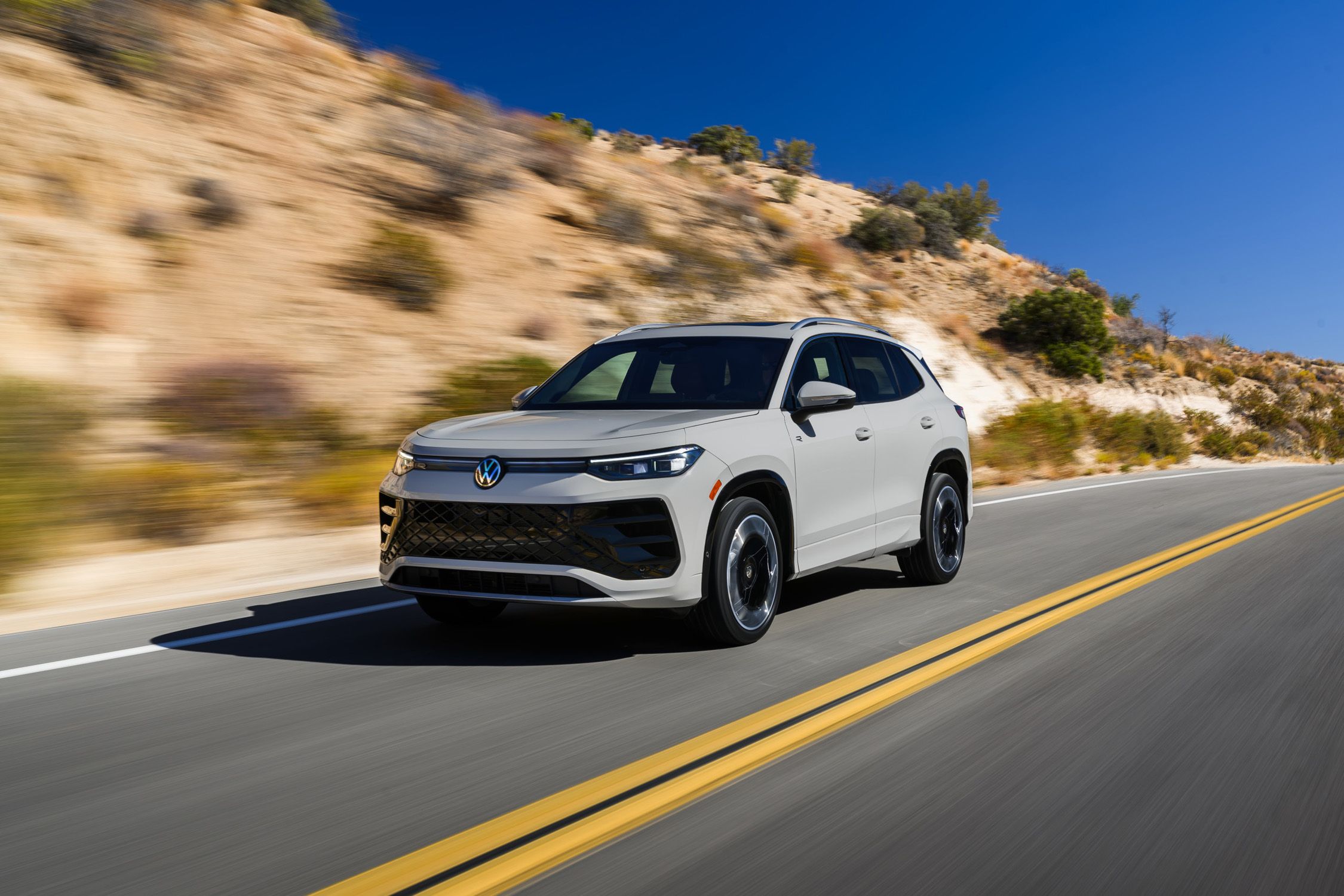
The 2026 Volkswagen Tiguan is built to deliver compact SUV practicality with a premium feel, plus a strong lineup of available technology. In this guide, we cover trims, performance, comfort, safety, and connectivity so Daphne, Alabama shoppers can narrow down the right fit. When you are ready to experience the Tiguan in person, we make it simple to book a test drive online.

2026 Volkswagen Tiguan trims and performance for Daphne, AL

Volkswagen lists four 2026 Tiguan trims in the lineup: S, SE, SE R Line Black, and SEL R Line Turbo. The Volkswagen builder also shows automatic transmission availability across the trim range, and it highlights all wheel drive as part of the available powertrain configurations, with the SEL R Line Turbo shown with one available engine and transmission configuration. Because equipment can vary by trim and build, the best approach is to pick the trim first, then confirm the exact feature set for the vehicle you are considering.
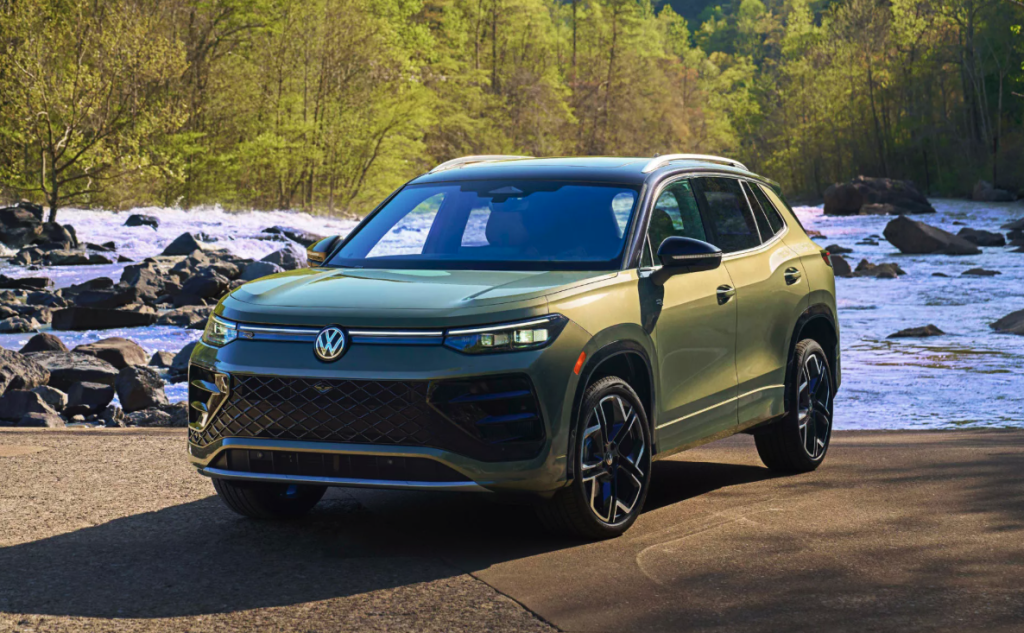
If you want the headline performance number on the 2026 Tiguan, Volkswagen spotlights available 268 horsepower with the SEL R Line Turbo. That same highlight also calls out 258 lb ft of torque and all wheel drive for that model, plus an EPA estimated 29 highway MPG using regular unleaded fuel. For Daphne drivers who spend time merging onto I 10 or moving between Spanish Fort, Mobile, and the Eastern Shore, that combination is designed to feel confident when you ask for passing power.

Traction and control matter when Gulf Coast weather turns quickly, and the Tiguan model overview emphasizes available 4MOTION all wheel drive. Volkswagen also notes an Active Control drive mode selector, which is designed to help you adapt to changing roads and conditions by selecting a mode that suits the situation. If your daily route includes slick mornings, heavy rain, or a mix of city streets and highway miles, those tools can be part of the reason the Tiguan feels composed.

The most practical way to decide between trims is to feel the seating position, visibility, and acceleration in real traffic. Volkswagen of Daphne offers an online form that lets you schedule a test drive without needing to call first, and after you submit your information you will be contacted by a customer service specialist. That one step turns research into a real comparison, especially when you want to understand how each trim feels on familiar Daphne roads.

How to choose the right 2026 Tiguan trim for Gulf Coast driving

Start by matching the vehicle to your routine, not the other way around. If you spend most of your week on Daphne errands, school drop offs, and commuting, prioritize comfort features and the display setup you prefer, since Volkswagen highlights a standard touchscreen display and also points to a larger available 15 inch touchscreen display. The right screen and layout can make daily driving feel more relaxed, especially when you are using navigation and media regularly.
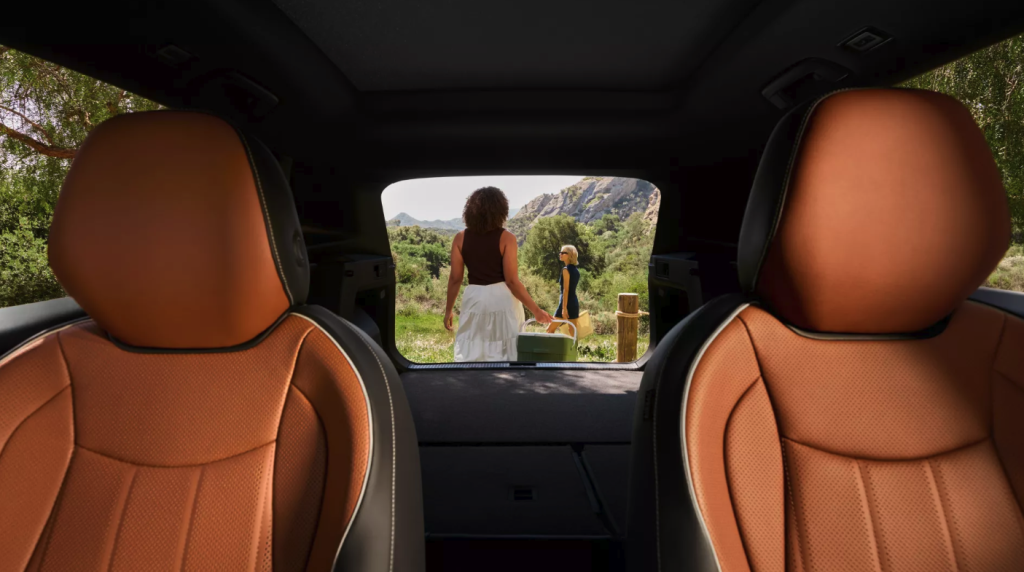
Next, think about flexibility for weekends and family logistics. Volkswagen calls out up to 69.8 cubic feet of cargo space with the rear seats folded down, plus details like remote folding rear seats, roof rails, and power folding outside mirrors. Those details matter if you are loading strollers, sports gear, or beach day supplies, or if you just want the cabin to adapt quickly to whatever the day brings.

Finally, decide how much performance and styling you want to build into the experience. Volkswagen positions the SEL R Line Turbo as the performance spotlight with available 268 horsepower and 258 lb ft of torque, paired with all wheel drive and a 29 highway MPG estimate using regular unleaded fuel. For shoppers who prefer a more expressive look, Volkswagen also highlights design touches like available panoramic sunroof and available 20 inch alloy wheels, and on the SEL R Line Turbo it calls out details such as illuminated logos and front and rear light bars. Feature availability can vary by trim, so a test drive comparison is the quickest way to confirm what feels worth it to you.

2026 Volkswagen Tiguan interior, cargo, and design highlights

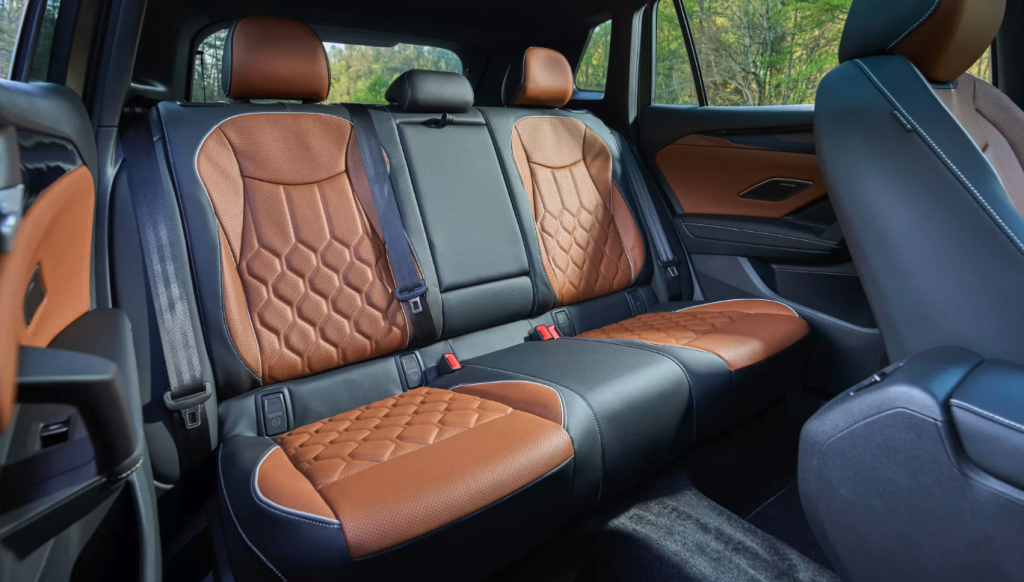
The 2026 Tiguan cabin is presented by Volkswagen as comfort focused, with details aimed at daily livability. Interior highlights include an available leather wrapped heated steering wheel, available three zone automatic climate control, and standard first row heated seats with available second row heated seats for the outboard positions. On the SEL R Line Turbo, Volkswagen also describes available leather seating surfaces with diamond stitching detail, paired with available massage and ventilated front seats.

Technology and presentation are a major part of the Tiguan experience, and Volkswagen emphasizes the display setup as a centerpiece. The displays section notes a standard 12.9 inch touchscreen display with an available 15 inch touchscreen display, designed to keep key information and controls within easy reach. For drivers who spend time in stop and go traffic near Mobile, or who take longer trips across the region, screen clarity and ease of use can be just as important as horsepower.
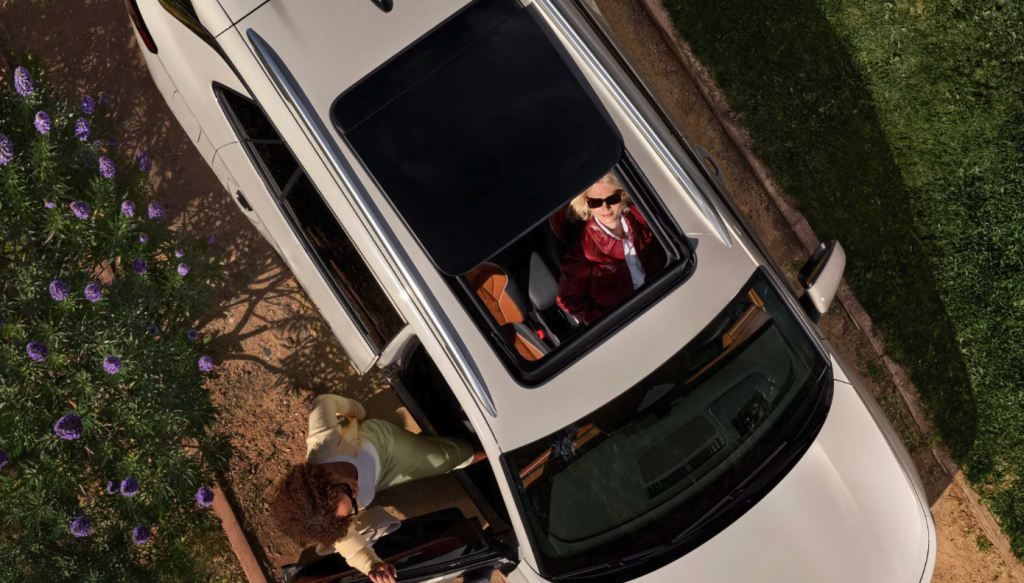
For space and flexibility, Volkswagen highlights up to 69.8 cubic feet of cargo space with the rear seats folded down. It also lists practical details such as remote folding rear seats, roof rails, and power folding outside mirrors, which support day to day loading and parking convenience. If you want exterior convenience, Volkswagen also calls out available hands free Easy Open and Easy Close liftgate, plus available panoramic sunroof and available 20 inch alloy wheels.

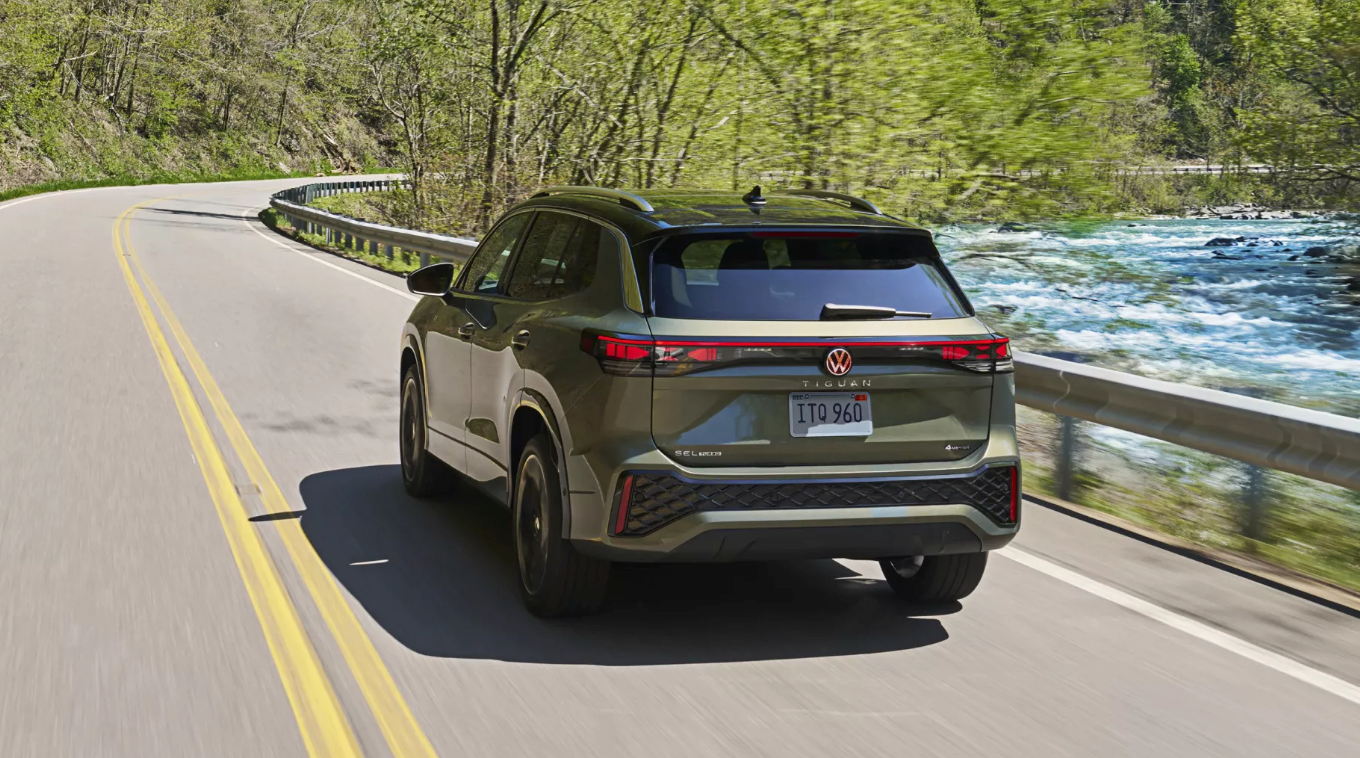
Design and lighting cues are also part of what makes the 2026 Tiguan feel upscale. Volkswagen highlights LED headlights and LED daytime running lights, plus available touches like an integrated light bar and illuminated VW emblem, along with LED taillights and an available rear light bar. Inside, it also notes available ambient lighting with 10 color or 30 color options, available Atmospheres mood selection, and available VW logo puddle lights. When it is time to maintain the Tiguan for the long run, our service center team is described as highly trained and certified on the Volkswagen brand.

Comfort features that stand out once you sit inside

Comfort is easiest to appreciate when you are seated in the cabin and adjusting the controls yourself. Volkswagen points to an available leather wrapped heated steering wheel and available three zone automatic climate control, which can be especially helpful when different passengers want different temperatures. It also notes standard first row heated seats and available second row heated seats for the outboard seating positions, a practical detail for families who drive year round.
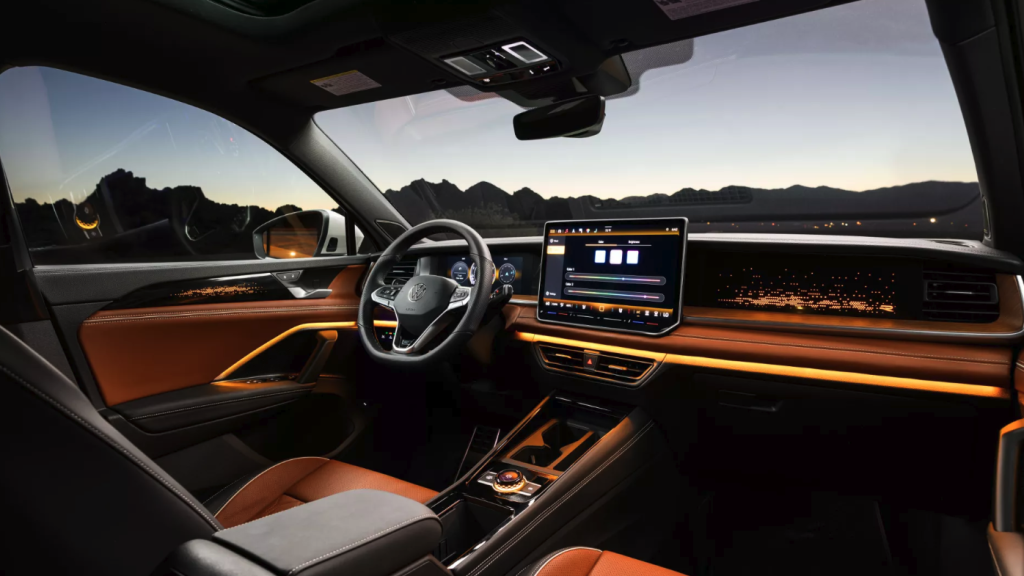
If you are looking for the most premium seating experience Volkswagen describes, the brand highlights available massage and ventilated front seats with leather seating surfaces and diamond stitching detail. Volkswagen also connects that premium approach to the SEL R Line Turbo interior description, where it mentions the same general comfort theme alongside a large available 15 inch touchscreen display. The key is to confirm which trim includes the seating and screen configuration you want, since specifications can vary based on trim, options, and installed accessories.

Practical comfort also includes how easily the vehicle adapts to your day. Volkswagen highlights up to 69.8 cubic feet of cargo space with the rear seats folded down, plus remote folding rear seats and a cargo area designed for loading flexibility. If you frequently load groceries, strollers, or sports equipment in the Daphne area, the available hands free Easy Open and Easy Close liftgate is another feature worth experiencing in person during a walkaround.

2026 Volkswagen Tiguan safety, driver assistance, and connectivity

Volkswagen positions the 2026 Tiguan as a compact SUV that blends everyday capability with driver support technology. The model overview highlights IQ.DRIVE driver assistance technology, and the IQ.DRIVE section lists features such as Travel Assist, Adaptive Cruise Control, Lane Assist, and Emergency Assist. Volkswagen also reminds drivers that driver assistance features are not substitutes for attentive driving, and details and limitations are described in the owners manual.

Beyond highway assistance, Volkswagen includes parking and visibility aids in the Tiguan technology story. The driver assistance section calls out features such as Park Assist Plus, Park Distance Control and Maneuver Braking, and available tools like Light Assist and Area View. When paired with the standard Rear View Camera System described in the safety section, these features are designed to make everyday parking situations more manageable.
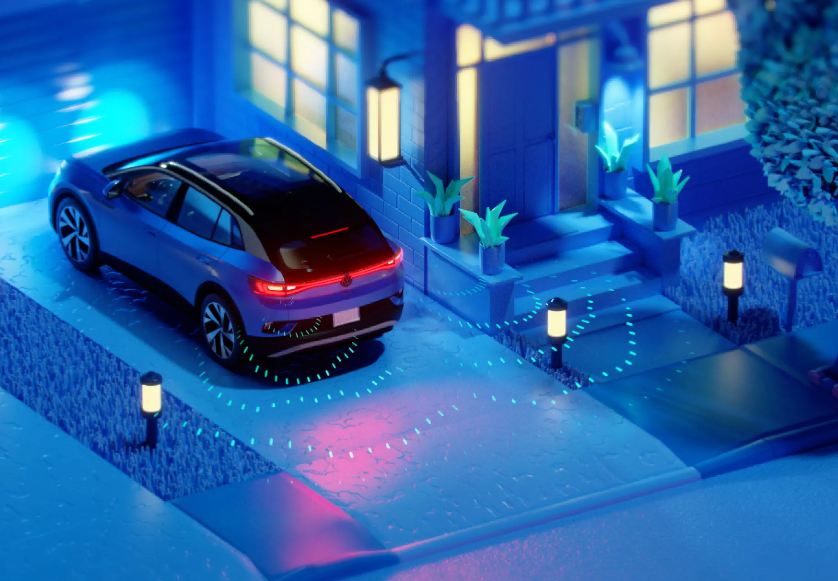
Volkswagen also details multiple safety enhancing systems and structural concepts. It describes a Safety Cell with front and rear crumple zones and a rigid safety cage, and it includes Intelligent Crash Response System, which in certain circumstances can turn off the fuel pump, unlock the doors, and activate hazard lights after a collision with airbag deployment. Volkswagen also notes an Automatic Post Collision Braking System and describes a total of six stability enhancing systems, including Electronic Brake pressure Distribution and Electronic Stability Control.

Connectivity is a major part of how the Tiguan fits modern routines. Volkswagen highlights myVW and myVW plus, and it also features Wireless App Connect compatibility with Apple CarPlay and Android Auto by Google, plus available Premium Speech using generative AI. Charging and sharing connectivity are covered too, with wireless charging options, multiple USB C ports, and a Wi Fi Hotspot that connects up to four devices, subject to account, plan, and connectivity requirements. If you want help mapping out the next steps after research, our finance team offers an online credit application to help you start the process.

Understanding IQ.DRIVE, parking help, and connected tech limitations

Driver assistance works best when you understand what it can and cannot do. Volkswagen lists IQ.DRIVE features such as Travel Assist, Adaptive Cruise Control, Lane Assist, and Emergency Assist, and it also states that driver assistance features are not substitutes for attentive driving. In practice, that means you still need to monitor traffic, keep your attention on the road, and stay within the limitations described in the owners manual.

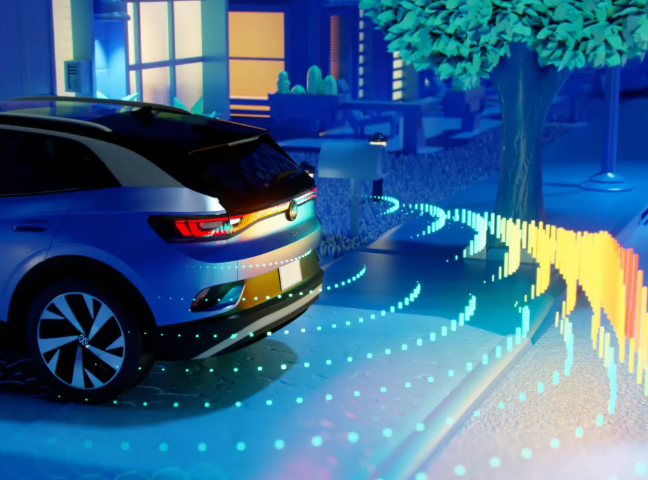
For parking situations, Volkswagen highlights Park Assist Plus and Park Distance Control and Maneuver Braking, and it also lists available Area View and available Light Assist. Those tools can add confidence in tight parking lots, but they are still designed as driver aids, not replacements for careful driving. Pairing those features with the Rear View Camera System Volkswagen describes, which uses a wide lens view while reversing, can make backing out of spots feel more controlled.
Connected features also come with compatibility and service requirements. Volkswagen states that Wireless App Connect requires a compatible device, operating system, and mobile apps, and it urges drivers to avoid distracted driving. For Premium Speech, Volkswagen notes generative AI support and also explains that availability varies by model, model year, and trim, with additional terms and a stated limitation that AI responses are limited to information and events before November 2023. Understanding those details up front helps you choose the trim and tech package that fits your expectations.

Ownership planning matters just as much as choosing the right trim. Volkswagen highlights Carefree Coverage as standard on new vehicles, and it describes Carefree Maintenance as including 10,000 and 20,000 mile scheduled maintenance services or two years, whichever occurs first. Volkswagen also notes that tire rotations and other services not specified in the owners literature are not included. Roadside Assistance is described as three years or 36,000 miles, whichever occurs first, and a New Vehicle Limited Warranty is described as four years or 50,000 miles, whichever occurs first.

Connected vehicle services enabled through myVW plus are also described as requiring cellular connectivity, GPS signal, and acceptance of terms. This matters for Daphne buyers because connected services depend on network availability in the places you drive most. It is also a reminder to confirm what is included at delivery and what is optional based on the trim you select. If you prefer support from a local team, our dealership emphasizes certified expertise in the Volkswagen brand for long term service care.
If safety is your top priority, the 2026 Tiguan provides several useful details to keep in mind. Volkswagen describes a Safety Cell with front and rear crumple zones and a rigid safety cage to help distribute forces away from occupants. Volkswagen also describes Intelligent Crash Response System, which in certain circumstances can turn off the fuel pump, unlock the doors, and activate hazard lights when airbags deploy, noting that it only activates in collisions where airbags deploy or safety belt pretensioners activate. Automatic Post Collision Braking System is also included in the safety list, described as helping slow the vehicle after a collision to reduce the chance of additional impacts. Tiguan also have six stability enhancing systems and includes examples such as Electronic Brake pressure Distribution and Electronic Stability Control.

For daily convenience, Volkswagen adds a Rear View Camera System with a wide lens view for reversing. Together, those details give Daphne drivers a clearer picture of what Volkswagen emphasizes in its safety approach. A test drive visit is still the best way to evaluate visibility and confidence in your typical parking environment.

If your goal is to learn everything about the 2026 Volkswagen Tiguan before making a decision, it helps to organize the features into three buckets: driving feel, daily comfort, and technology. Driving feel includes the available 4MOTION all wheel drive focus and the performance spotlight on the SEL R Line Turbo with available 268 horsepower and 258 lb ft of torque. Daily comfort includes Volkswagen noted interior features like available three zone climate control, heated seating options, and available massage and ventilated front seats with leather seating surfaces and diamond stitching detail. Technology includes the touchscreen display strategy, wireless smartphone connectivity, and available Premium Speech supported by generative AI. Convenience also shows up in details like cargo capacity up to 69.8 cubic feet with seats folded down, and available exterior features such as a hands free Easy Open and Easy Close liftgate.

Once you know which of these buckets matters most, your trim decision becomes much simpler. To keep your research local and actionable, visit https://www.vwofdaphne.com/ and use the Schedule Test Drive form to talk with our team about the 2026 Volkswagen Tiguan features you care about most. We will help you translate the official feature information into a real world choice that fits Daphne driving. If you already know the trim you want, our team can also help you begin online with the credit application.

FAQ about 2026 Volkswagen Tiguan

What trims are available for the 2026 Volkswagen Tiguan?

Volkswagen lists four trims: S, SE, SE R Line Black, and SEL R Line Turbo. Trim features and specifications can vary by configuration. 

How much horsepower does the 2026 Tiguan make?

Volkswagen highlights available 268 horsepower on the SEL R Line Turbo. 

What torque does the SEL R Line Turbo Tiguan have?

Volkswagen states 258 lb ft of torque for the SEL Turbo Tiguan highlight. 

Does the 2026 Volkswagen Tiguan offer all wheel drive?

Volkswagen highlights available 4MOTION all wheel drive on the Tiguan overview. 

What cargo space is listed for the 2026 Tiguan?

Volkswagen lists 69.8 cubic feet of cargo space with the rear seats folded down. 

What interior comfort features are called out for the 2026 Tiguan?

Volkswagen highlights options such as an available heated steering wheel, available three zone climate control, heated seat availability, and available massage and ventilated front seats with leather seating surfaces and diamond stitching detail. Availability can depend on trim and equipment.

What screen sizes are mentioned for the 2026 Tiguan?

Volkswagen notes a standard 12.9 inch touchscreen display with an available 15 inch touchscreen display. 

What driver assistance features are listed for the 2026 Tiguan?

Volkswagen lists IQ.DRIVE with features such as Travel Assist, Adaptive Cruise Control, Lane Assist, and Emergency Assist, and it also describes parking aids like Park Assist Plus and Park Distance Control and Maneuver Braking. Driver assistance features are not substitutes for attentive driving. 

What safety enhancing technology is described on the Tiguan page?

Volkswagen describes a Rear View Camera System, Safety Cell structure, Intelligent Crash Response System, Automatic Post Collision Braking System, and six stability enhancing systems including EBD and ESC.

What connectivity features are highlighted for the 2026 Tiguan?

Volkswagen highlights myVW and myVW plus, Wireless App Connect with Apple CarPlay and Android Auto, wireless charging for compatible devices, USB C fast charging ports, a Wi Fi Hotspot that can connect up to four devices, and available Premium Speech supported by generative AI. Some features require accounts, plans, terms acceptance, and compatible devices.

How do I schedule a test drive for a Tiguan at Volkswagen of Daphne?

You can schedule online by completing the Schedule Test Drive form, and after submission a customer service specialist will contact you.

Recommended Posts

Volkswagen SUV Leasing Guide: Taos, Tiguan, and Atlas

Volkswagen SUV Leasing Guide: Taos, Tiguan, and Atlas

The Financial Benefits of Leasing a Volkswagen: Lower Payments and Warranty Perks Choosing a Volkswagen SUV to lease starts with a different question than simply asking which SUV is largest or has the most features. A lease covers a defined period and a contracted mileage allowance, so the more useful question is how much passenger room, cargo flexibility, drivetrain capability, and vehicle size you expect to use during that period. The Volkswagen Taos, Tiguan, and Atlas serve three different SUV needs. The Taos is the smallest five-seat choice, the Tiguan adds more two-row cargo capacity and available performance, and the Atlas moves into a three-row layout with substantially greater maximum cargo space. For a lease shopper, the right choice is the SUV that provides enough capability for the next lease cycle without paying for size or capacity that will rarely be used. That distinction matters for drivers around Daphne and Mobile. A commuter who normally carries one or two passengers may have very different needs from a household that regularly fills a second row, and both may need far less vehicle than a family that depends on a third row. This guide focuses specifically on choosing among the Volkswagen Taos, Tiguan, and Atlas for a lease. It does not assume that the largest SUV is automatically better or that leasing is automatically less expensive than financing. The actual lease payment, mileage allowance, incentives, fees, and terms depend on the vehicle, program, contract, and customer eligibility at the time of the transaction. What Is a Lease Mileage Allowance? A lease mileage allowance is the amount of driving permitted under the lease agreement before additional mileage charges may apply when the vehicle is returned. Volkswagen Financial Services advises customers to review the mileage stated in their individual lease agreement because the allowed mileage and applicable excess-mileage terms are contract-specific. Why Lease a Volkswagen SUV? Leasing can fit drivers who prefer a defined vehicle cycle and expect their annual mileage to remain compatible with the lease agreement. Instead of purchasing the vehicle for indefinite ownership, the customer uses it for the agreed term and then follows the applicable lease-end process. That structure makes vehicle selection especially important. If you lease an SUV that is larger than your routine requires, you may spend the entire lease term carrying size and capability you rarely use. If you choose too little vehicle, passenger or cargo needs can become frustrating long before the lease reaches maturity. Access to Current Technology and Features A lease can also appeal to shoppers who prefer changing vehicles periodically rather than keeping one for many years. Taos, Tiguan, and Atlas can offer Volkswagen technologies such as Digital Cockpit features, connected services, IQ.DRIVE driver-assistance technology, and available 4MOTION all-wheel drive, although exact equipment varies by model year and trim. Driver-assistance systems should be compared by exact configuration. IQ.DRIVE features assist the driver but do not make a Volkswagen autonomous, and they remain subject to system limitations and driver responsibility. Ownership Timeline, Mileage, and Lifestyle Before deciding among these SUVs, estimate how your driving will look over the entire lease period. Include your normal commute, school or family transportation, errands, weekend travel, and longer trips rather than basing the estimate on one typical week. A regular Daphne-to-Mobile commute, for example, can contribute a significant portion of annual mileage before weekend driving is added. Instead of assuming a standard allowance will fit, calculate your actual route and expected driving days, then compare that estimate with current Volkswagen Financial Services lease terms. For more detail on this part of the decision, see our Volkswagen lease mileage guide. Leasing a Volkswagen Taos Compact SUV Taos The Taos is the smallest of these three Volkswagen SUVs. Volkswagen's current U.S. Taos information lists five-passenger seating, a 174-horsepower turbocharged engine, available 4MOTION all-wheel drive, and up to 65.9 cubic feet of cargo capacity with the rear seats folded. Two-Row SUV Tiguan The current Tiguan provides five-passenger seating and up to 69.8 cubic feet of cargo space with the rear seats folded. Available 4MOTION gives shoppers an AWD option, while the current SEL R-Line Turbo adds a higher-output 268-horsepower configuration. Three-Row SUV Atlas The Atlas changes the decision more substantially by adding a third row and up to 96.6 cubic feet of cargo capacity with the rear seats folded. Its current turbocharged engine produces 269 horsepower and 273 lb-ft of torque, with up to 5,000 pounds of towing capacity when properly equipped. Compact Size, Commuting, and Everyday Flexibility The Taos deserves consideration when five seats are enough and you want SUV cargo access without moving into a larger footprint. That can be useful for commuting, parking, daily errands, and households that regularly carry passengers but do not need a third row. Choosing the Taos does not have to mean treating it as a compromise. If its passenger room and cargo capacity cover the way you expect to use the SUV throughout the lease, moving up simply because another model is larger may add capacity without adding much practical value. Volkswagen's national model-year transition is worth noting here. At the time of publication, Volkswagen's current U.S. Taos page has moved to the 2027 model, while Volkswagen of Daphne inventory may still include 2026 Taos vehicles. Always compare the specifications and lease program for the exact model year and VIN you are considering. Leasing a Volkswagen Tiguan Passenger Flexibility, Cargo Room, and Family Use The Tiguan sits between the Taos and Atlas in this decision. It remains a two-row, five-passenger SUV, but Volkswagen lists 33.8 cubic feet of cargo capacity behind its rear seats and 69.8 cubic feet with them folded on the current 2026 model. That makes the Tiguan worth evaluating when a Taos is close to meeting your needs but you expect to use the rear seats frequently, carry bulkier items, or simply want additional two-row flexibility without leasing a three-row SUV. The current Tiguan also gives shoppers a broader performance spread. Core versions use Volkswagen's turbocharged powertrain, while the 2026 SEL R-Line Turbo is rated at 268 horsepower and 258 lb-ft of torque with standard 4MOTION. More horsepower is not automatically a reason to choose that configuration. For a lease shopper focused mainly on commuting and cargo flexibility, trim equipment, drivetrain, mileage terms, and the actual lease program may matter more than peak output. Leasing a Volkswagen Atlas When a Third Row Changes the Decision Atlas is not simply a larger Tiguan. Its three-row layout changes the type of household it can support. If your normal routine includes additional children, relatives, friends, teammates, or other passengers who regularly require more than two seating rows, Atlas provides functionality the Taos and Tiguan cannot duplicate. Volkswagen also lists up to 96.6 cubic feet of cargo space with the rear seats folded on the current 2026 Atlas. Atlas may also matter when towing is part of the requirement. Volkswagen lists up to 5,000 pounds of towing capacity for the current Atlas when properly equipped. Towing limits depend on configuration, equipment, trailer setup, load, and other operating conditions, so always confirm the requirements for the exact vehicle before towing. If the third row would remain folded almost all the time and your cargo needs fit comfortably within a smaller SUV, however, the added size may not provide meaningful value during the lease. That is why Atlas should be selected because its extra capability solves an actual need, not simply because it sits above Tiguan in the lineup. Taos vs Tiguan vs Atlas for a Volkswagen Lease Decision Factor Volkswagen Taos Volkswagen Tiguan Volkswagen Atlas Layout Two rows Two rows Three rows Passenger Focus Five-seat compact SUV Five-seat SUV with more two-row flexibility Households that need a third row Maximum Published Cargo 65.9 cu. ft. 69.8 cu. ft. 96.6 cu. ft. 4MOTION AWD Available Available; standard on current SEL R-Line Turbo Available Main Sizing Question Are five seats and compact-SUV cargo enough? Do you need more two-row space without a third row? Will you actually use three-row passenger capacity? Lease Planning Question Does the smaller SUV cover your needs for the full term? Is the extra two-row flexibility useful often enough? Do passenger, cargo, or towing needs justify the larger vehicle? Current official Volkswagen specifications shown here refer to the current U.S. model pages available at publication. Volkswagen currently lists the 2027 Taos, 2026 Tiguan, and 2026 Atlas. Always verify the exact model year, trim, drivetrain, and lease program for the vehicle you are considering. The biggest functional jump in this Volkswagen SUV comparison occurs between the Tiguan and Atlas, not between Taos and Tiguan. Volkswagen lists 65.9 cubic feet of maximum cargo capacity for the current Taos and 69.8 cubic feet for the current Tiguan, while the Atlas increases maximum cargo capacity to 96.6 cubic feet and adds a third seating row. That makes the Atlas decision primarily about needing a different passenger-and-cargo layout rather than simply moving one size higher. Vehicle Size and Passenger Capacity Start by counting how many seats are used regularly rather than how many people might ride in the SUV once or twice a year. If five seats cover nearly every week of the lease, Taos and Tiguan keep the decision within the two-row category. If a third row will regularly solve carpools, extended-family travel, or larger household needs, the Atlas becomes fundamentally different from the other two. Daily Commuting and Regional Travel Commuting can favor a smaller SUV simply because passenger capacity is not the only consideration. Parking, maneuverability, fuel use, annual mileage, and how much cargo you carry during a normal workweek all matter. Longer Gulf Coast trips can shift the calculation. Four or five people plus luggage may make cargo space more important than it appears during a normal commute. Frequent travel can also increase annual mileage considerably, which means the lease allowance deserves as much attention as the model itself. Choosing an SUV Based on Your Lease Priorities Instead of trying to identify a universal "best Volkswagen SUV to lease," rank the factors that will remain important during the entire lease term. Passenger count: How many people ride with you during a normal week? Cargo with seats in use: Do you need cargo room while the rear seats remain occupied? Annual mileage: Does your commute and regional travel fit the mileage structure being offered? AWD preference: Do you specifically want a 4MOTION configuration? Parking and maneuverability: Does a larger vehicle create an unnecessary tradeoff in your daily routine? Third-row use: Will you actually use the Atlas's additional seating layout often enough to justify moving up? Lease term and program: What mileage, payment, fees, and obligations apply to the exact offer you are reviewing? How Mileage Changes the SUV Lease Decision Mileage is one of the areas where leasing changes the model-selection conversation. A vehicle can fit your passenger needs perfectly and still be a poor lease match if your expected driving does not align with the contract. Volkswagen Financial Services states that most standard leases are calculated around a specified mileage allowance and that a higher mileage limit may be negotiated in some cases. If the contracted mileage is exceeded and the vehicle is returned, additional charges may apply according to the agreement. That means a regular Eastern Shore commuter should calculate likely mileage before choosing both the SUV and the lease structure. Start with your normal round-trip commute and number of commuting days, then add recurring errands, school transportation, trips to Mobile, and longer regional travel. Do not assume every Volkswagen lease uses the same mileage allowance or excess-mileage rate. Review the current Volkswagen Financial Services program and the actual lease agreement for the specific vehicle. The contract controls the mileage and financial obligations that apply to your lease. Do You Actually Need to Move Up to the Next Volkswagen SUV? Taos to Tiguan Moving from Taos to Tiguan is primarily a two-row space decision. Both are designed around five-passenger use, and their maximum published cargo figures are relatively close compared with the much larger jump to Atlas. Tiguan becomes more compelling when the additional passenger and cargo flexibility, available configuration, or performance choices matter in your daily use. If the Taos already covers your routine comfortably, there is no automatic leasing advantage to moving up. Tiguan to Atlas Moving from Tiguan to Atlas is easier to justify when you have a real third-row requirement. The Atlas also provides a substantial increase in maximum cargo capacity and greater towing capability, but those strengths only matter when you use them. A five-passenger household that rarely transports additional people may find Tiguan provides all the space needed. A household that regularly exceeds two rows has a clearer functional reason to evaluate Atlas. Leasing the largest SUV available is not automatically the most useful choice. A lease covers a defined term and mileage structure, so the better sizing decision is to choose enough passenger, cargo, drivetrain, and towing capability for how you expect to use the vehicle during that period. A third row creates clear value when it is used regularly, but it provides less practical benefit to a commuter or five-passenger household that rarely needs it. Taos, Tiguan, or Atlas for Different Driving Needs If Compact Size Is the Priority Start with the Taos. Check whether its five seats and cargo capacity cover your normal passenger and luggage needs before moving to a larger model. If You Need More Two-Row Flexibility Compare the Tiguan. It gives you additional cargo capacity and a broader range of current performance configurations without moving into a three-row SUV. If a Third Row Is Part of Normal Life Put the Atlas on the comparison list. Its seating layout and much larger maximum cargo capacity address a different household need than the Taos or Tiguan. If you want to compare the Volkswagen SUV lineup without the leasing-specific factors, our Volkswagen SUV buying guide takes a broader look at passenger space, cargo needs, daily driving, and regional travel. Compare Volkswagen SUV Lease Options in Daphne Compare the Taos, Tiguan, and Atlas based on the space and mileage you actually expect to use, then review the current lease terms for the exact vehicle and configuration you are considering. View Current Volkswagen Inventory Review Finance and Lease Options Key Takeaways The Taos, Tiguan, and Atlas solve different SUV needs, so choosing a lease should start with passenger count, cargo requirements, and expected mileage rather than simply choosing the largest model. Volkswagen currently lists 65.9 cubic feet of maximum cargo space for the Taos, 69.8 cubic feet for the Tiguan, and 96.6 cubic feet for the Atlas. The biggest functional step occurs when moving to the Atlas because it adds a third seating row and substantially more maximum cargo capacity. Drivers considering a lease should estimate their full annual mileage, including commuting, errands, and regional travel, before agreeing to a mileage allowance. 4MOTION is available across these SUV lines in certain configurations, but AWD should be chosen because it matches a real drivetrain preference or use case, not because it is automatically necessary for every driver. Exact lease payments, mileage terms, incentives, fees, and availability change, so evaluate the current program for the exact model, trim, drivetrain, and model year you are considering. Volkswagen SUV Leasing FAQs Should I lease a Volkswagen Taos or Tiguan? Start with passenger and cargo needs. Both are two-row, five-passenger SUVs, but the Tiguan provides somewhat greater maximum cargo capacity and a broader current performance range. If the Taos already gives you enough room for the full lease period, moving up to Tiguan is not automatically necessary. Should I lease a Tiguan or Atlas? The strongest reason to move from Tiguan to Atlas is a genuine need for a third row or substantially greater cargo capacity. Tiguan remains a two-row option, while Atlas is designed around a three-row layout and provides up to 96.6 cubic feet of maximum cargo space on the current model. Which Volkswagen SUV has three rows? The Volkswagen Atlas is the three-row SUV in this comparison. Taos and Tiguan use two-row layouts, so shoppers who regularly need a third seating row should include Atlas in their comparison. How should annual mileage affect my Volkswagen SUV lease? Estimate the mileage you expect to drive during the entire lease term before choosing an allowance. Include commuting, errands, family transportation, and longer trips. Volkswagen Financial Services states that exceeding the mileage specified in the lease agreement can result in additional charges when the vehicle is returned, so the exact contract should guide the decision. Compare the SUV You Will Actually Use Taos, Tiguan, and Atlas are easier to compare once you stop treating size as the goal. Think about the busiest normal week you expect during the lease: how many people are in the vehicle, how much cargo stays behind occupied seats, how far you drive, and whether you genuinely need the capability of the next SUV up. You can view current Volkswagen inventory to compare available SUVs, then review the current program with the Volkswagen of Daphne finance team before making a lease decision. Related Volkswagen Insights & Updates SUV Buying Guide Which 2026 Volkswagen SUV Is Right for You in Daphne? Compare Taos, Tiguan, Atlas Cross Sport, and Atlas based on passenger space, cargo needs, commuting, and everyday use. Read More Lease Mileage Volkswagen Lease Mileage Guide for Daphne and Mobile Drivers Learn how mileage allowances work and how commuting, errands, and regional travel can affect lease planning. Read More Taos Guide 2026 Volkswagen Taos: Is It the Right Compact SUV for Your Daily Drive in Daphne, AL? Take a closer look at Taos cargo flexibility, commuting, technology, drivetrain choices, and everyday usability. Read More SUV Travel Guide Best 2026 Volkswagen SUVs for Summer Adventures Near Daphne Compare Volkswagen SUVs for road trips, beach travel, passengers, cargo, and Gulf Coast weekend use. Read More

volkswagen lease

Volkswagen Lease Return, Buyout, and Trade-In Options in Daphne, AL

Lease Return, Buyout, or Trade-In: Which End-of-Lease Path Fits Your Budget? Reaching the end of a Volkswagen lease does not automatically mean handing over the keys and starting over. If your Volkswagen Financial Services lease is approaching maturity, you may have several paths to consider, including returning the vehicle, purchasing it, moving into another Volkswagen, or asking whether you qualify for a limited lease extension. Volkswagen Financial Services currently provides four broad lease-transition paths: turn in your vehicle and move into another Volkswagen, request an eligible lease extension, purchase your current vehicle, or return it at lease-end. The right option depends on your individual lease agreement, payoff information, vehicle condition, mileage, future driving needs, and any new transaction you are considering. Review your actual account and contract before assuming that a fee, payoff amount, extension, or trade-in outcome applies to you. This guide is for drivers who already have an active Volkswagen lease and are deciding what to do next. It is different from deciding whether leasing or financing makes sense when first acquiring a vehicle. At lease-end, the important questions involve your existing agreement, current mileage, vehicle condition, purchase option, timing, and what you want to drive after the contract ends. Starting the process before the maturity date can also give you more time to review the vehicle, arrange the required inspection if you plan to return it, investigate a buyout, or compare a replacement vehicle without rushing the decision. Definition: What Is Lease Maturity? Lease maturity is the scheduled end of the lease term established in your agreement. As that date approaches, the lessee must determine how the contract will be completed, such as returning the vehicle, exercising an available purchase option, or reviewing another transition option offered by Volkswagen Financial Services. What Are Your Options at the End of a Volkswagen Lease? Volkswagen Financial Services currently organizes the lease-end process around four broad choices. They sound simple on paper, but each one has different practical and financial considerations. Return Your Leased Volkswagen If you do not want to keep the vehicle, you can prepare it for turn-in. Volkswagen Financial Services provides a formal return process that includes assessing the vehicle, arranging a complimentary inspection, deciding whether to complete eligible repairs, making the final payment, and scheduling the turn-in with a Volkswagen dealer. Purchase Your Current Volkswagen If you want to keep the Volkswagen you have been driving, contact your Volkswagen dealer or Volkswagen Financial Services for current payoff instructions. The purchase decision should be based on your actual contract and payoff information rather than assuming the original residual or a general market estimate tells the whole story. Move Into Another Volkswagen You may choose to return your existing leased vehicle and lease or purchase another Volkswagen. Treat the old lease and the new transaction as connected decisions but separate financial obligations. Current programs, eligibility, incentives, credit approval, and terms should always be confirmed at the time of the transaction. Ask About a Lease Extension Volkswagen Financial Services states that customers may be eligible to extend a lease for a limited period. Eligibility is not automatic. Current customers should use My Account and contact Volkswagen Financial Services to determine whether an extension is available for their specific lease. When Should You Start Preparing for Volkswagen Lease-End? Volkswagen Financial Services publishes a lease timeline that begins well before the final day of the contract. You do not have to make every decision six months in advance, but the timeline gives you useful milestones for avoiding a last-minute rush. 6M About 6 months remaining: Start reviewing your lease-transition options. If you are considering another vehicle, this is also a reasonable time to begin comparing models. 3M About 3 months remaining: Volkswagen Financial Services indicates that customers receive Wear and Use guidance around this point. Review the vehicle's condition and the items that should be present at inspection and return. 45 About 45 days remaining: Schedule the complimentary vehicle inspection if you plan to return the Volkswagen. Also begin arranging the eventual turn-in with the appropriate dealership. 30 About 30 days remaining: Prepare for your final scheduled payment and make sure you understand any remaining account obligations. 0 Lease-end: Complete the return or purchase process according to your lease and Volkswagen Financial Services instructions. The exact account status always matters more than a general timeline. If your vehicle is being repaired, you have deferred payments, your maturity date has passed, or another circumstance affects the account, contact Volkswagen Financial Services directly for instructions. What Should You Review Before Returning Your Volkswagen? Mileage and Your Lease Agreement Start with your signed lease agreement. That document establishes the mileage allowance and the terms that apply if the vehicle is returned with more mileage than the contract allows. Volkswagen Financial Services states that mileage beyond the maximum allowed by the agreement, plus any additional miles that may have been purchased, can result in an excess-mileage charge when the vehicle is returned. The applicable per-mile rate comes from the individual lease agreement, so there is no single overage rate that should be applied to every Volkswagen lease. If you want a deeper explanation of how contract mileage works, see our Volkswagen lease mileage guide for Daphne and Mobile drivers. Vehicle Condition and Excess Wear Normal use and excess wear are not the same thing. Volkswagen Financial Services publishes current wear-and-use standards covering areas such as exterior damage, interior condition, wheels, tires, missing equipment, aftermarket modifications, and mechanical condition. That is why it is useful to assess the vehicle before the formal inspection instead of waiting until the return appointment. Check that original equipment is present, look for damage that may fall outside normal-use guidelines, and make sure recommended maintenance or warranty repairs that apply to the vehicle have been addressed. Volkswagen Financial Services currently instructs returning lease customers to schedule a complimentary inspection through AiM, its accepted third-party inspection provider for excess wear and use. The inspection report is valid for 90 days as long as no additional damage occurs after the inspection date. Completing the inspection before turn-in gives the customer time to review the report and decide whether eligible repairs should be handled before the vehicle is returned. What to Have Ready for the Inspection and Return Volkswagen Lease-End Checklist All vehicle keys Owner's manual and maintenance booklet Headrests Cargo cover, when applicable Equipment that was installed when the vehicle was delivered Inspection report Repair documentation and proof of payment for qualifying post-inspection work, when applicable Your lease and account information Volkswagen Financial Services currently states that its complimentary lease-end inspection can take place at a home, office, or dealership. If repairs are completed after the inspection, follow Volkswagen Financial Services instructions for documenting the work before turning in the vehicle. Should You Buy Out or Return Your Volkswagen Lease? A lease buyout and a vehicle return solve two different problems. The right decision depends on whether you still want the vehicle and what the actual numbers in your account look like. Question to Review Why It Matters Do you still want to drive this Volkswagen long term? If the vehicle still fits your needs, purchasing it may deserve consideration. If your needs have changed, returning or replacing it may be more logical. What is the current payoff or purchase amount? You need actual Volkswagen Financial Services payoff information before evaluating a buyout. What is the vehicle's current condition? Condition is especially important when returning the vehicle because excess wear may affect the final invoice. Where are you relative to your mileage allowance? Mileage can affect a return. Review the allowance and excess-mileage provisions in your individual agreement. Have your passenger or cargo needs changed? A different vehicle may make more sense if your household, commute, or daily use has changed since the lease began. Do you want another lease or long-term ownership? Your preferred ownership timeline can change whether the next step is another lease, a purchase, or keeping the current vehicle. Buying your leased Volkswagen can make sense to evaluate if you want to keep the vehicle and the actual payoff, financing or cash requirements, and long-term ownership plan fit your situation. Returning the vehicle may be more appropriate when you want a different vehicle or no longer want to own the current one long term. Neither option is automatically cheaper or financially better without reviewing the real contract terms, payoff, vehicle condition, market context, and any financing involved. One important distinction is that Volkswagen Financial Services currently states that customers who purchase their leased vehicle do not pay a turn-in fee, excess wear-and-use charges, or excess-mileage charges associated with returning the vehicle. That does not mean purchasing is automatically less expensive overall. The purchase price, taxes, registration costs, financing terms, and long-term ownership expenses still need to be considered. If you want help evaluating financing for a purchase, you can review the Volkswagen of Daphne finance options and discuss the actual lease payoff before making a decision. Can You Trade In a Leased Volkswagen Early? This question needs more nuance than a simple yes or no. A leased Volkswagen is not the same as a vehicle you own outright, so a lease customer should not assume the vehicle can be traded like a fully owned car without first reviewing the lease account. Volkswagen Financial Services currently directs lease customers who are interested in trade-in possibilities to log into My Account and review their options. The current account balance, payoff, timing, vehicle value, transaction structure, and contractual obligations may all affect what is possible. Important: Returning a Volkswagen before the scheduled lease-end date may involve an early-termination charge. Volkswagen Financial Services notes that the earlier a lease is ended, the greater that charge is likely to be. Contact Volkswagen Financial Services about your specific account before assuming a dealer trade or replacement vehicle eliminates the obligations on your current lease. This is especially important if you still have several payments remaining. Moving into another vehicle and ending the current lease are related decisions, but they should not be treated as one automatic transaction. What Happens During a Volkswagen Lease Return? If you decide to return the vehicle rather than purchase it, Volkswagen Financial Services currently outlines a six-step process. Assess your Volkswagen. Review mileage, maintenance, vehicle condition, original equipment, and current wear-and-use guidelines. Schedule the complimentary inspection. Volkswagen Financial Services currently uses AiM for its official excess wear-and-use inspections. Review the inspection and decide on repairs. If you choose to address items identified during the inspection, follow current Volkswagen Financial Services requirements for qualifying repairs and documentation. Make your final scheduled payment. Check your account for any deferred or other remaining contractual payments. Arrange the vehicle turn-in. Contact your Volkswagen dealer to schedule the return. Volkswagen Financial Services instructs customers to obtain a copy of the Vehicle Turn-In Form for their records. Review the final invoice. Volkswagen Financial Services currently says the final invoice is typically made available through My Account or mailed after the completed turn-in process. If you are returning the vehicle somewhere other than the originating Volkswagen dealer, confirm acceptance with that dealership before arriving. Volkswagen Financial Services guidance notes that the originating dealer is required to accept the vehicle, while another Volkswagen dealer should be contacted first. What If You Want Another Volkswagen After Your Lease? Lease-end can also be a useful point to reassess what you actually need from the next vehicle. Your commute, passenger count, cargo needs, annual mileage, or preference for leasing versus owning may have changed during the current contract. For example, someone who originally leased a compact Volkswagen for a shorter commute may now need more passenger or cargo room. Another driver may still prefer the same vehicle category but want newer technology. The decision should come from your current needs rather than assuming the same lease structure or model remains the right fit. You can browse current Volkswagen inventory to compare models and configurations before deciding whether another vehicle belongs in your lease-end plan. Review Your Volkswagen Lease-End Options If your current lease is approaching maturity, Volkswagen of Daphne can help you compare a return, vehicle purchase, or transition into another Volkswagen based on your actual account and current needs. Contact the Finance Team View Current Volkswagen Inventory Key Takeaways Volkswagen Financial Services currently gives lease customers several possible paths at maturity, including returning the vehicle, purchasing it, moving into another Volkswagen, or asking whether a limited extension is available. Your signed lease agreement and current Volkswagen Financial Services account determine the financial terms that actually apply to you. Volkswagen's published timeline recommends beginning the decision process months before maturity and scheduling the complimentary inspection around 45 days before lease-end if you plan to return the vehicle. The current official inspection process uses AiM, and an inspection report remains valid for 90 days provided no additional damage occurs afterward. Early return or trade-in should be reviewed with Volkswagen Financial Services because early termination may involve additional charges. Do not assume that returning, buying, trading, extending, and moving into a new lease have the same financial consequences. Each option changes which contract terms matter. Volkswagen Lease Return and Buyout FAQs Can I buy my Volkswagen when the lease ends? Volkswagen Financial Services currently provides a purchase option for lease customers. Contact your Volkswagen dealer or Volkswagen Financial Services for current payoff instructions and review your actual contract and account before deciding whether purchasing the vehicle fits your budget and ownership plans. Do I need an inspection before returning my Volkswagen? Volkswagen Financial Services' current turn-in process calls for a complimentary inspection through AiM, its accepted third-party inspection provider for determining excess wear and use. Volkswagen's lease timeline recommends scheduling that inspection around 45 days before lease-end. The resulting inspection report is valid for 90 days if no additional damage occurs. Can I return my Volkswagen lease early? You may be able to end a Volkswagen Financial Services lease before its scheduled maturity date, but early termination can involve a charge. Volkswagen Financial Services states that the earlier the lease ends, the greater that charge is likely to be. Review your specific account before making an early-return decision. Can I extend my Volkswagen lease? You may qualify for a limited lease extension, but extensions are not automatic. Volkswagen Financial Services currently instructs customers to log into My Account and send a secure message to determine whether their lease qualifies. Plan Your Next Step Before Your Lease Matures The most useful lease-end decision starts with your actual contract and your actual plans. Check your maturity date, current mileage, vehicle condition, purchase information, and whether you still want the same vehicle before deciding what comes next. If you are considering another Volkswagen, you can compare current Volkswagen inventory. If you want to discuss purchasing the vehicle you already lease or financing another vehicle, visit the Volkswagen of Daphne finance department to review the next steps based on your situation. Related Volkswagen Insights & Updates Lease Mileage Volkswagen Lease Mileage Guide for Daphne and Mobile Drivers Learn how contract mileage works and what to review as your current Volkswagen lease approaches its scheduled end. Read More Volkswagen Leasing Best Volkswagen Models to Lease for Daphne Commuters and Families Compare Volkswagen models based on passenger space, commuting, mileage expectations, and lifestyle if another lease is your next step. Read More Lease vs Buy Buy or Lease? Find the Best Option for Your New Volkswagen Review the broader differences between leasing and purchasing if your current lease-end has you reconsidering how you want to acquire your next vehicle. Read More Buying Guide First Time Volkswagen Buyer Guide in Daphne, AL Review vehicle selection, budgeting, financing preparation, test-drive considerations, and online tools for purchasing a Volkswagen. Read More

2026 vw tiguan

2026 Volkswagen Tiguan vs Honda CR-V Near Daphne, AL

2026 SUV Specs Compared: Engine Power, Safety Features, and Interior Dimensions If you are comparing the 2026 Volkswagen Tiguan and Honda CR-V, the most important difference is not a single horsepower, cargo, or fuel-economy number. These compact SUVs take different approaches to the same job. The Tiguan centers its lineup around a turbocharged engine, an 8-speed automatic transmission, available 4MOTION all-wheel drive, and a higher-output SEL R-Line Turbo. The CR-V gives shoppers a choice between a conventional turbocharged gas powertrain and a two-motor hybrid system. The 2026 Volkswagen Tiguan is a strong fit for shoppers who value turbocharged performance, a conventional 8-speed automatic transmission, and the option of a 268-horsepower SEL R-Line Turbo with standard 4MOTION all-wheel drive. The 2026 Honda CR-V has the advantage of offering both gas and hybrid powertrains, with its front-wheel-drive hybrid configurations rated as high as an EPA-estimated 43 mpg city, 36 mpg highway, and 40 mpg combined. The better choice depends on whether performance character, hybrid efficiency, cargo space, or drivetrain configuration matters most to you. That distinction matters for shoppers around Daphne and Mobile because two people comparing the same model names can actually be considering very different vehicles. A CR-V Sport Hybrid and a gas CR-V EX do not have identical cargo capacity or fuel economy, just as a standard Tiguan and the SEL R-Line Turbo do not provide the same performance. Below, we will compare those configurations separately so you can see what changes before deciding which compact SUV deserves a closer look. What are 4MOTION and Real Time AWD? Volkswagen 4MOTION and Honda Real Time AWD are all-wheel-drive systems designed to distribute power beyond the front wheels when conditions and vehicle operation call for it. AWD can assist traction during acceleration on wet or loose surfaces, but it does not prevent hydroplaning, shorten every braking distance, replace appropriate tires, or make driving through standing or floodwater safe. What Matters Most When Comparing the 2026 Tiguan and CR-V? Passenger Space, Cargo, and Family Usability Both the 2026 Tiguan and CR-V are five-passenger compact SUVs, so the decision is less about adding another seating row and more about how you use the second row and cargo area. Volkswagen lists 33.8 cubic feet of cargo space behind the Tiguan's second row and 69.8 cubic feet with the rear seats folded. That provides useful room for groceries, luggage, sports equipment, beach gear, or the larger items that come with day-to-day family use. Honda publishes two different cargo sets for the CR-V. Gas-powered LX, EX, and EX-L models provide 39.3 cubic feet behind the second row and up to 76.5 cubic feet with the rear seats folded. Hybrid models provide 36.3 cubic feet behind the second row and up to 71.8 cubic feet with the rear seats folded. In other words, the CR-V holds an advantage in published cargo volume, but the size of that advantage depends on which CR-V powertrain you are actually considering. If cargo is a major part of your decision, compare the specific configurations rather than relying on one maximum CR-V number. Performance, Efficiency, and Drivetrain Choices The 2026 Tiguan S, SE, and SE R-Line Black use a 2.0-liter turbocharged four-cylinder engine rated at 201 horsepower, paired with an 8-speed automatic transmission. Front-wheel drive is available, while 4MOTION all-wheel drive can be selected on those trims. At the top of the Tiguan range, the SEL R-Line Turbo changes the performance equation considerably. Volkswagen rates it at 268 horsepower and 258 lb-ft of torque, and 4MOTION is standard. Volkswagen lists an EPA-estimated 29 mpg highway for this configuration. Honda splits the CR-V lineup differently. LX, EX, and EX-L trims use a 1.5-liter turbocharged four-cylinder producing 190 horsepower and 179 lb-ft of torque with a continuously variable transmission. Real Time AWD is available. Sport Hybrid, TrailSport Hybrid, Sport-L Hybrid, and Sport Touring Hybrid models use Honda's two-motor hybrid system. Honda rates total system output at 204 horsepower, while the electric drive motor produces up to 247 lb-ft of torque. The hybrid lineup is where the CR-V builds its strongest fuel-economy case. Technology and Driver Assistance Both vehicles offer extensive driver-assistance technology, but shoppers should compare the exact features included on the trim they intend to buy rather than assuming every feature is identical across the lineup. The Tiguan incorporates Volkswagen's IQ.DRIVE suite. Volkswagen describes systems such as Travel Assist, Adaptive Cruise Control, Lane Assist, and Emergency Assist as part of its current driver-assistance approach. These are assistance technologies, not autonomous driving systems, and the driver remains responsible for controlling the vehicle. Honda Sensing is standard across the 2026 CR-V lineup and includes technologies such as Collision Mitigation Braking System, Road Departure Mitigation, Adaptive Cruise Control with Low-Speed Follow, Lane Keeping Assist, Traffic Jam Assist, and Driver Attention Monitor. Other features, including Blind Spot Information and Cross Traffic Monitor, depend on trim. 2026 Volkswagen Tiguan vs Honda CR-V Side by Side Comparison Tiguan S / SE / SE R-Line Black Tiguan SEL R-Line Turbo CR-V Gas CR-V Hybrid Powertrain 2.0L turbo 4-cylinder High-output 2.0L turbo 4-cylinder 1.5L turbo 4-cylinder 2.0L 2-motor hybrid system Horsepower 201 hp 268 hp 190 hp 204 hp total system output Transmission / Drive System 8-speed automatic 8-speed automatic CVT Two-motor hybrid direct-drive system AWD 4MOTION available 4MOTION standard Real Time AWD available Available or standard depending on trim Cargo Behind Second Row 33.8 cu. ft. 33.8 cu. ft. 39.3 cu. ft. 36.3 cu. ft. Maximum Cargo 69.8 cu. ft. 69.8 cu. ft. 76.5 cu. ft. 71.8 cu. ft. Fuel-Economy Highlight Varies by FWD / 4MOTION configuration EPA-estimated 29 mpg highway FWD: 28 city / 33 highway / 30 combined mpg FWD: up to 43 city / 36 highway / 40 combined mpg Five-Passenger Seating Yes Yes Yes Yes Specifications can vary by trim and drivetrain. Honda hybrid cargo figures differ from gas CR-V figures, and AWD CR-V Hybrid fuel-economy ratings are lower than the FWD figures shown above. The CR-V's biggest published cargo figure and its best fuel-economy figure do not come from the same configuration. Gas CR-V models offer up to 76.5 cubic feet of maximum cargo space, while hybrid models provide up to 71.8 cubic feet; the FWD hybrid, however, reaches an EPA-estimated 40 mpg combined. For an accurate Tiguan versus CR-V comparison, shoppers should decide first whether they are comparing the Tiguan with a gas CR-V or a CR-V Hybrid. What the Numbers Mean in Everyday Driving If your priority is maximum published cargo capacity, the gas CR-V has the clearest advantage. Even the CR-V Hybrid lists slightly more cargo volume than the Tiguan with both seating configurations. If fuel consumption is the primary concern, the CR-V Hybrid introduces an option the 2026 Tiguan lineup does not directly match. A high-mileage commuter may find that distinction more meaningful than a difference in peak horsepower. The Tiguan makes a different case. Its three lower trims provide 201 horsepower through a traditional 8-speed automatic, and the SEL R-Line Turbo moves well beyond both CR-V powertrains with 268 horsepower. That gives shoppers a wider performance spread inside the Tiguan range itself. If the Tiguan is moving to the top of your list, our 2026 Volkswagen Tiguan trim guide can help narrow down the S, SE, SE R-Line Black, and SEL R-Line Turbo. Which SUV Fits Eastern Shore Drivers Better? Daphne-to-Mobile and Bayway Commuting For someone regularly commuting between Daphne and Mobile, annual mileage can quickly become one of the most important ownership factors. That makes the CR-V Hybrid's EPA ratings particularly relevant for a shopper whose priority is reducing fuel use. The Tiguan may appeal to a different type of commuter. Some drivers prefer the operating feel of a turbocharged engine paired with a conventional 8-speed automatic rather than a CVT or hybrid drivetrain. That is a preference worth testing rather than deciding from a specification sheet. If AWD is part of your shortlist, both models provide options. Volkswagen offers 4MOTION on the Tiguan and makes it standard on the SEL R-Line Turbo, while Honda offers Real Time AWD across much of the CR-V range and makes it standard on certain hybrid trims. Family Errands, School Runs, and US-98 Driving The CR-V's larger published cargo measurements can matter if you frequently load strollers, sports equipment, groceries, luggage, or other bulky items while keeping the second row available for passengers. The Tiguan still provides nearly 70 cubic feet with its rear seats folded, so its cargo area remains firmly within compact-SUV territory. The real question is whether the extra published volume in the Honda changes how you use the vehicle enough to outweigh the Tiguan's drivetrain, cabin, or performance advantages for you. Families already leaning toward Volkswagen can also compare the Tiguan with larger or smaller VW SUVs in our 2026 Volkswagen SUV guide. Weekend Trips and Gulf Coast Driving A trip toward Gulf Shores or a longer Gulf Coast drive may shift priorities again. Highway fuel economy matters over repeated longer distances, but so do luggage space, seating comfort, passing power, and how the vehicle feels at sustained highway speeds. For shoppers planning regular road trips with four or five occupants, loading the vehicles in person is often more informative than comparing cargo numbers alone. Different cargo-area shapes, seatbacks, rooflines, and the size of the items you actually carry can affect usefulness even when cubic-foot measurements look similar. For a high-mileage Daphne-to-Mobile commuter focused primarily on fuel consumption, the CR-V Hybrid deserves serious consideration because its EPA estimates are substantially higher than those of conventional gas compact SUVs. A Tiguan shopper may instead prioritize the 8-speed automatic, available 4MOTION, or the 268-horsepower SEL R-Line Turbo. For families, the CR-V provides more published cargo volume, while the final decision can still depend on cabin layout, equipment, driving feel, and the specific trim being compared. The CR-V Specification Detail Many Comparisons Miss One of the easiest mistakes in compact-SUV comparison articles is to collect the largest or most impressive number attached to each model and put them into one table. That can create a vehicle configuration that does not actually exist. The 2026 CR-V is a good example. Its 76.5-cubic-foot maximum cargo figure belongs to gas-powered versions. The hybrid's maximum is 71.8 cubic feet. Conversely, the CR-V's strongest EPA fuel-economy ratings belong to front-wheel-drive hybrid versions, not the gas models with the larger cargo figure. The same discipline applies to the Tiguan. The 268-horsepower figure belongs to the SEL R-Line Turbo, not every Tiguan. The S, SE, and SE R-Line Black use the 201-horsepower version of the 2.0-liter turbo engine. Comparing the vehicle configurations you would realistically buy makes the decision more useful and keeps horsepower, MPG, cargo, AWD, and equipment from becoming misleading headline numbers. 8-Speed Automatic vs CVT vs Two-Motor Hybrid The Tiguan and CR-V also give shoppers three noticeably different approaches to delivering power. The Tiguan uses an 8-speed automatic transmission. Instead of continuously changing its effective ratio, it works through distinct forward gears. Drivers who prefer the familiar rhythm of conventional gear changes may appreciate that setup. Gas CR-V models use a continuously variable transmission, or CVT. A CVT can adjust its ratio across a range rather than selecting among a fixed set of conventional gears. Honda pairs it with the CR-V's 190-horsepower 1.5-liter turbo engine. The CR-V Hybrid is different again. Honda's two-motor system combines a 2.0-liter Atkinson-cycle gasoline engine, an electric drive motor, a motor/generator, and a lithium-ion battery. Depending on operating conditions, the engine can generate electricity, help recharge the battery, or send torque mechanically to the wheels, while regenerative braking can recover energy during deceleration. None of these systems is automatically the right choice for every driver. A useful test drive should include normal acceleration, stop-and-go traffic, highway merging, and the type of low-speed driving you encounter most often. 2026 Tiguan vs CR-V: Which One Should You Put on Your Shortlist? Consider the 2026 Tiguan if... You prefer a turbocharged engine with an 8-speed automatic transmission. You want available 4MOTION AWD across the core lineup. You are interested in the 268-hp SEL R-Line Turbo. Volkswagen IQ.DRIVE and the Tiguan's technology package fit your preferences. Nearly 70 cu. ft. of maximum cargo space meets your needs. Consider the 2026 CR-V if... Hybrid fuel economy is one of your highest priorities. You want more published cargo volume. You prefer the CR-V's gas/CVT combination. You want Honda's two-motor hybrid powertrain. A specific Honda Sensing or CR-V trim configuration better matches your needs. This is also why a single "winner" is not especially useful. A CR-V Sport Hybrid shopper concerned about fuel use is making a different decision from someone comparing a Tiguan SEL R-Line Turbo for its extra output and standard AWD. Compare the Tiguan for Yourself Review current Volkswagen availability or schedule time behind the wheel to compare Tiguan trims, drivetrain options, passenger space, and everyday usability in person. View Current Volkswagen Inventory Schedule a Test Drive Key Takeaways The 2026 Tiguan offers 201 horsepower in its S, SE, and SE R-Line Black trims, while the SEL R-Line Turbo increases output to 268 horsepower. The 2026 CR-V gives shoppers a gas powertrain with 190 horsepower or a two-motor hybrid system with 204 horsepower of total system output. The CR-V provides more published cargo volume, but gas and hybrid CR-V models have different cargo capacities. The CR-V Hybrid is the stronger fuel-economy choice on paper, with FWD hybrid configurations rated at up to 43 city, 36 highway, and 40 combined mpg. Both SUVs offer AWD, but availability depends on trim and configuration. AWD can support traction, but it does not eliminate wet-weather driving risks. The best comparison is between the exact trims and powertrains you would realistically purchase, not each model's most favorable specification. 2026 Volkswagen Tiguan vs Honda CR-V FAQs Which has more cargo space, the 2026 Tiguan or Honda CR-V? Honda publishes more cargo space for both versions of the CR-V. Gas CR-V models provide 39.3 cubic feet behind the second row and up to 76.5 cubic feet with the rear seats folded. Hybrid CR-V models provide 36.3 and 71.8 cubic feet, respectively. Volkswagen lists 33.8 cubic feet behind the Tiguan's second row and 69.8 cubic feet with the seats folded. Which gets better fuel economy, the Tiguan or CR-V? The CR-V Hybrid has the strongest EPA ratings of these configurations. Front-wheel-drive Sport Hybrid and Sport-L Hybrid versions are rated at 43 mpg city, 36 mpg highway, and 40 mpg combined. AWD hybrid versions have different estimates. Tiguan fuel economy also varies by drivetrain and trim, so compare the exact configuration you are considering. Does the 2026 Volkswagen Tiguan offer all-wheel drive? Yes. Volkswagen offers 4MOTION all-wheel drive on the 2026 Tiguan S, SE, and SE R-Line Black, while the SEL R-Line Turbo includes 4MOTION as standard equipment. AWD can assist traction when accelerating on lower-grip surfaces, but tire condition, vehicle speed, visibility, and driver input remain important in wet weather. Which is better for commuting between Daphne and Mobile? It depends on your priority. A high-mileage commuter focused on fuel consumption may find the CR-V Hybrid especially appealing, while a driver who prefers a conventional automatic transmission, Volkswagen's driving characteristics, or available 4MOTION may prefer a Tiguan. Testing the actual configurations you are considering is the best way to compare comfort, visibility, acceleration, and driving feel. Compare the 2026 Volkswagen Tiguan in Daphne A specification table can narrow your shortlist, but the most useful next step is comparing the vehicle around the things you use every day. Sit in both rows, load the cargo area if space matters, check visibility, try the infotainment controls, and drive the Tiguan in the type of traffic you normally encounter. You can browse current Volkswagen inventory at Volkswagen of Daphne or schedule a test drive to compare the current Tiguan configurations available. Related Volkswagen Insights & Updates Tiguan Trim Guide How to Choose Between the 2026 Volkswagen Tiguan Trims in Daphne, AL Compare the Tiguan S, SE, SE R-Line Black, and SEL R-Line Turbo after deciding the Tiguan belongs on your shortlist. Read More Tiguan Research 2026 Volkswagen Tiguan in Daphne AL: Complete Guide Review Tiguan performance, interior features, cargo capacity, technology, driver assistance, and ownership considerations in greater detail. Read More Volkswagen SUV Guide Which 2026 Volkswagen SUV Is Right for You in Daphne? Compare Taos, Tiguan, Atlas Cross Sport, and Atlas based on passenger needs, cargo space, commuting, and family use. Read More SUV Ownership Best 2026 Volkswagen SUVs for Summer Adventures Near Daphne See how current Volkswagen SUVs fit road trips, beach days, passenger needs, and cargo-heavy Gulf Coast travel. Read More